Master Dishwasher Loading: The Ultimate Guide
The secret to a sparkling clean load of dishes is proper dishwasher loading. Arrange items so water and detergent can reach every surface. Don’t overcrowd; give everything space to get clean. This simple method ensures your dishes come out spotless every time.
Getting your dishwasher loading technique right means fewer rewashes and shinier dishes. It’s about understanding how your machine works and giving it the best chance to succeed. Think of it as giving your dishwasher a clear path to fight off food grime. We found that a little organization goes a long way for cleaner, brighter results.
- Load plates and bowls facing downward.
- Place cups and glasses upside down on the top rack.
- Cutlery should go in the basket, handles down, mixed up.
- Don’t block the spray arms!
- Scrape, don’t rinse, food scraps.
Ready to turn your dishwasher into a cleaning machine? Let’s walk through exactly how to load it step by step to get the best results.
Mastering Your Dishwasher: A Guide to Correct Loading
So, you want your dishes to come out sparkling, right? It’s not magic, it’s just a little know-how about where to place everything. We found that the biggest difference-maker for getting truly clean dishes is simply how you arrange them inside. Think of your dishwasher as a team; everyone needs their own space to do their best work.
The Foundation: Preparing Your Dishes
Before anything goes into the dishwasher, a quick scrape is all you need. Many experts recommend scraping off large food particles, but rinsing is usually unnecessary. Modern dishwashers and detergents are designed to handle stuck-on bits. In fact, some food residue can actually help detergents stick to the dish, making them more effective (Good Housekeeping).
What to Scrape, What to Leave
Just get the big chunks off. Think about what you’d scrape off a plate before putting it in the sink. Things like broccoli florets or a dollop of mashed potatoes should go. However, that light sauce or a bit of cheese? Leave it be. Your dishwasher is built to tackle those.
When to Rinse (Rarely!)
The only time you might consider a quick rinse is if you’re going to leave the dishes for a long time. If you’re running the dishwasher every day, you don’t need to rinse at all. This saves you time and water, which is a win-win.
The Bottom Rack: Plates, Pots, and Pans
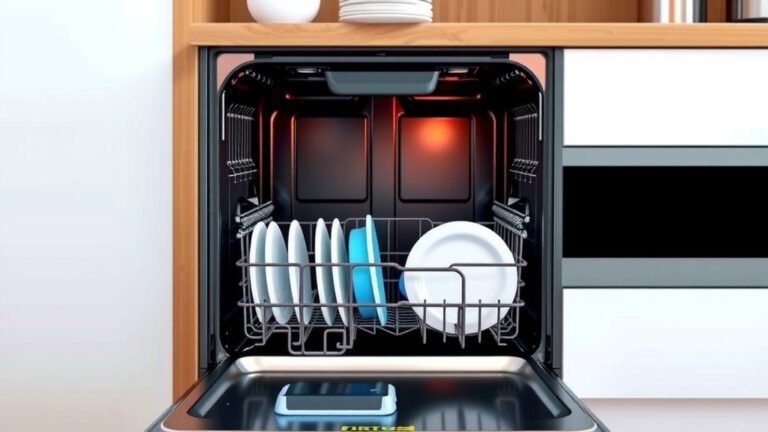
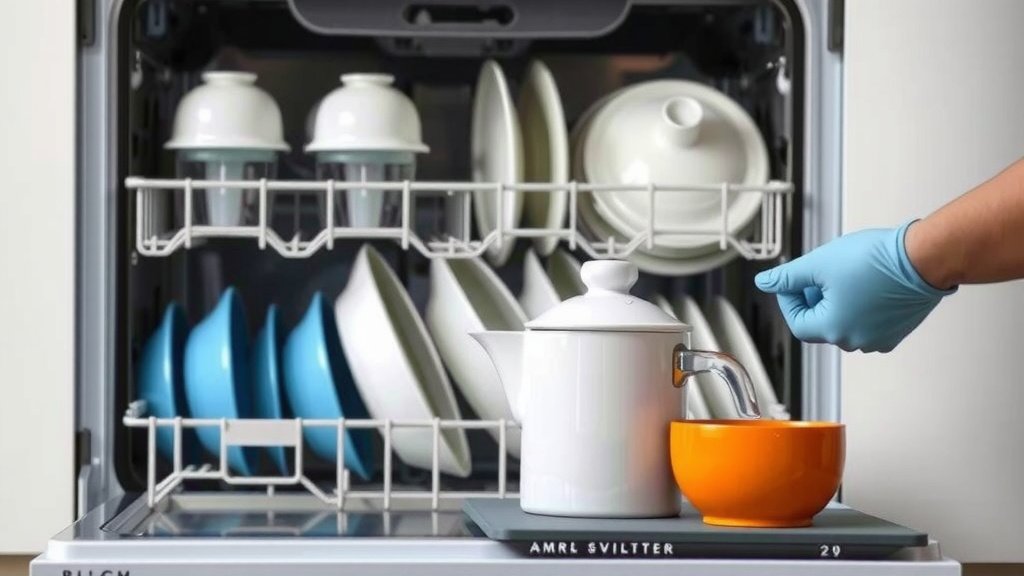
This is where the heavy lifting happens. The spray arm at the bottom spins and blasts water upwards. So, you want items here to face the spray. That means plates and bowls should be angled downwards.
Plates and Bowls: Angle is Everything
Place dinner plates and larger bowls in the designated slots. Make sure they are facing the center where the spray arm is located. Don’t let them touch each other. If they’re too close, water can’t get in between. This prevents those annoying streaks and dirty spots.
Pots, Pans, and Baking Sheets: Position Matters
Larger items like pots, pans, and baking sheets can also go on the bottom rack. Position them so they don’t block the spray arm. They should also face downwards towards the center. If a pot has a deep basin, tilt it slightly so water can drain out.
Dishwasher-Safe Check
Always double-check that your cookware is dishwasher-safe. Some non-stick surfaces or delicate materials can be damaged by the high heat and strong detergents. When in doubt, hand wash it.
The Top Rack: Cups, Glasses, and Small Items
The top rack is gentler. It’s perfect for your glassware, mugs, and smaller, more delicate items. The water spray here is usually less intense, and it’s a great place to keep things from getting knocked around.
Glasses and Cups: Upside Down, Always
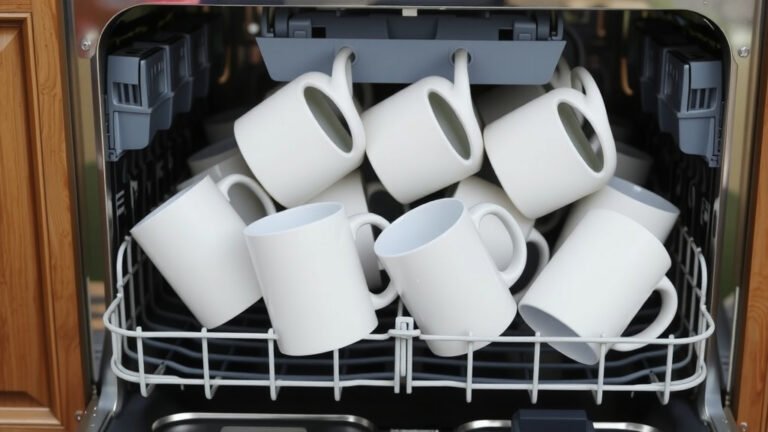
This is a golden rule we found: always place cups and glasses upside down. If you don’t, they’ll fill up with dirty water. Position them so they’re not tilted. This allows water to easily drain out and prevents water spots from forming.
Small Bowls and Gadgets: Secure Them
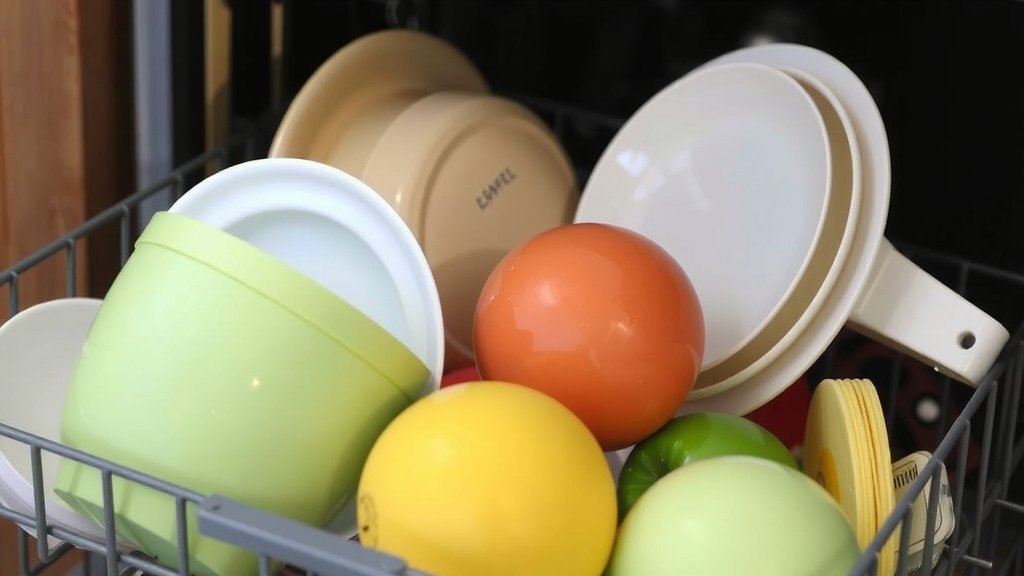
Smaller bowls, ramekins, and odd-shaped kitchen gadgets fit well here. Make sure they are secure and won’t fall through the rack. You can often nestle them between glasses or mugs. They should also face downwards to catch the water spray.
Plastic Items: Top Rack is Key
Many plastic items are best washed on the top rack. The heating element is usually at the bottom of the dishwasher. Placing plastics on the top rack helps prevent them from melting or warping from direct heat exposure. This is a common recommendation from appliance manufacturers.
The Cutlery Basket: Handles Up or Down?
This is a question many people grapple with. The general advice is to mix it up. Some items with handles down, some with handles up. This helps prevent nesting, where spoons or forks can stick together.
Mixing for Maximum Cleanliness
Place most forks and spoons with the handles facing down. Knives, especially sharp ones, should have the handles facing up for safety. Mix them up so they aren’t all touching. We found that a good mix ensures water can reach all surfaces. Avoid putting them all in one compartment; spread them out!
Avoid Overcrowding the Basket
Don’t just shove everything in. If the cutlery is packed too tightly, it won’t get clean. Give each piece some breathing room. This simple step helps avoid rewashing those pesky bits of food clinging to your forks.
Dishwasher Do’s and Don’ts: A Quick Checklist
Here’s a simple checklist to keep in mind for every load:
- Scrape off large food bits, but don’t pre-rinse.
- Load plates and bowls angled downwards.
- Place cups and glasses upside down on the top rack.
- Mix cutlery handles up and down in the basket.
- Ensure nothing blocks the spinning spray arms.
- Don’t overcrowd the dishwasher; give items space.
Common Loading Mistakes to Avoid
We all make mistakes, especially when we’re in a hurry. But knowing the common pitfalls can save you a lot of scrubbing later.
Blocking the Spray Arms
This is the most common culprit for a poorly washed load. If a tall item on the bottom rack is blocking the spray arm, it can’t spin freely. This means a huge section of your dishwasher gets little to no water. Always give the spray arms a manual spin after loading to make sure nothing is in their way.
Overcrowding the Machine
It might seem like you’re saving a load by cramming everything in. But this is a recipe for disaster. Dishes need space for water and detergent to circulate. If items are too close, they just won’t get clean. You’ll end up rewashing, which uses more water and energy in the long run.
Placing Items Incorrectly
Putting items in the wrong place is also a common error. Forgetting to place glasses upside down or putting sharp knives handle-up are mistakes that affect cleaning. Following the guidelines for each rack will make a big difference.
Conclusion
You’ve now learned the secrets to loading your dishwasher like a pro! It’s all about smart placement, giving each item space, and understanding how your machine works its magic. By following these simple steps—scraping, angling, and separating—you’ll banish those stubborn food bits. This means you can enjoy sparkling dishes without the extra effort. So, the next time you unload your dishwasher, be prepared for a truly spotless result. Start practicing these techniques today for a cleaner, brighter kitchen!
Frequently Asked Questions
Can I put plastic containers in the dishwasher?
Yes, you can usually put plastic containers in the dishwasher. We found that it’s best to place them on the top rack. This helps protect them from the heating element at the bottom, preventing them from melting or warping.
How do I prevent my glasses from getting water spots?
To prevent water spots on your glasses, always place them upside down on the top rack. This allows dirty water to drain out easily. Using a rinse aid can also help water sheet off, leading to a clearer shine.
Should I put sharp knives in the dishwasher?
It’s generally recommended to hand wash sharp knives. The harsh detergents and high heat of a dishwasher can dull their blades over time. If you must put them in, place them handle-up in the cutlery basket for safety.
What if my dishwasher still isn’t cleaning well after loading correctly?
If your dishwasher isn’t cleaning well, even after correct loading, check that the spray arms are not blocked and can spin freely. Ensure you’re using enough detergent and that your dishwasher’s filters are clean. Sometimes, a clogged filter is the culprit!
How often should I clean my dishwasher filter?
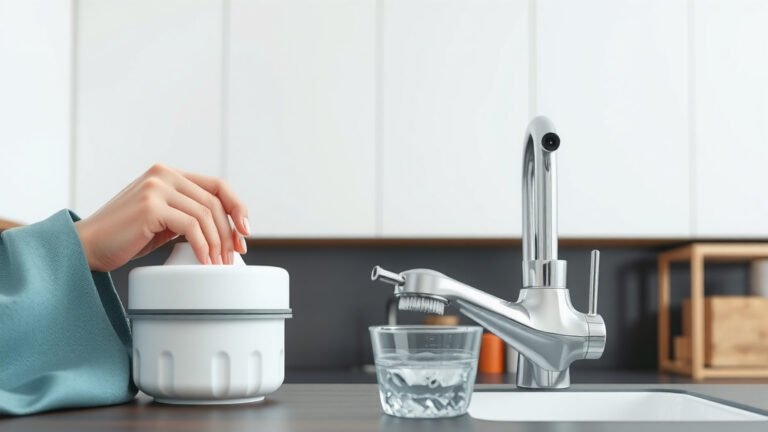
You should aim to clean your dishwasher filter regularly, ideally once a month. A clogged filter restricts water flow and can lead to poor cleaning performance and odors. Most filters are easy to remove and rinse under the tap.