Dishwasher Temperature Explained: How Hot Do They Get
A dishwasher typically heats water to 130-150°F (54-66°C) during its wash and rinse cycles. This high heat is essential for effectively breaking down grease and food particles, ensuring your dishes come out sparkling clean. It also helps sanitize your dinnerware.
Think of it as a mini-sauna for your plates! The intense heat is a key reason why your dishwasher does such a great job compared to handwashing. It’s all about achieving that deep clean and killing off pesky germs, making your kitchen chores a little easier. Many models even offer extra hot water options for tougher jobs.
- Dishwashers heat water to 130-150°F.
- This heat tackles grease and sanitizes dishes.
- Higher heat settings offer enhanced cleaning power.
- It’s a crucial part of how dishwashers achieve a sparkling clean.
Let’s dive into the nitty-gritty of just how hot your dishwasher gets and why that temperature matters so much for your dishes.
Understanding Your Dishwasher’s Heat Settings
Ever wonder what magic makes your dishes come out so clean? A big part of that magic is hot water. Your dishwasher doesn’t just use any old tap water; it actively heats it to specific temperatures.
Why Does Dishwasher Heat Matter So Much?
The primary reason your dishwasher needs to get hot is for effective cleaning. Grease, dried-on food, and stubborn residues are no match for elevated temperatures. Hot water helps to loosen and emulsify these messes, making it much easier for the detergent to break them down and wash them away.
Think about washing a greasy pan by hand with cold water. It’s a struggle, right? Your dishwasher faces similar challenges, but with the power of heat, it can conquer them. This high temperature is essential for a truly sanitized clean.
Grease: The Enemy of Clean Dishes
Grease is a particularly tricky substance. At lower temperatures, it can remain somewhat solid or sticky, simply spreading around your dishes instead of being washed away. When water is heated to the typical dishwasher range of 130-150°F (54-66°C), grease becomes much more fluid and easier to lift off surfaces. This is why your dishwasher is so good at tackling those oily residues.
Sanitization: Beyond Just Clean
Beyond just making dishes look clean, the high heat in your dishwasher plays a vital role in killing germs and bacteria. Many health organizations suggest that water temperatures between 140°F and 150°F (60°C and 65°C) are effective for sanitizing. This means your dishwasher isn’t just removing visible grime; it’s helping to make your dinnerware safer for your family.
According to guidelines for food safety, using sufficiently hot water is a key step in preventing the spread of foodborne illnesses (CDC). While your dishwasher isn’t a medical sterilizer, it does contribute significantly to a hygienic kitchen environment.
How Dishwashers Heat Water
Your dishwasher has a built-in heating element, usually located at the bottom of the tub. When the cycle calls for hot water, this element kicks in to bring the water up to the desired temperature. Some dishwashers also rely on your home’s hot water supply, but they will still boost the temperature if needed.
The Role of the Heating Element
This electric heating element is the workhorse of your dishwasher’s temperature control. It’s similar to the element in an electric oven or a kettle. It heats the water during the wash and rinse cycles, ensuring that every part of the dishwashing process benefits from that essential warmth.
For models that use your home’s hot water, the dishwasher will measure the incoming temperature. If it’s not hot enough, the heating element will engage to reach the target temperature. This is why ensuring your home’s water heater is set appropriately can also play a role in your dishwasher’s performance.
Water Temperature Variations by Cycle
Not all cycles are created equal in terms of heat. You’ll find that different wash programs use different temperatures to suit various cleaning needs.
Normal/Everyday Cycles
These cycles typically operate in the 130-140°F (54-60°C) range. This is usually sufficient for handling everyday meals and standard loads of dishes, effectively cutting through most common food soils and grease.
Heavy-Duty or Pots & Pans Cycles
For those really tough, baked-on messes, these cycles crank up the heat, often reaching the higher end of the 140-150°F (60-65°C) spectrum. Some dishwashers might even go slightly higher on these intense settings. This extra heat provides the power needed to break down stubborn food particles and burnt-on residue.
Light or Quick Cycles
These cycles might use slightly lower temperatures or shorter wash times. They are designed for lightly soiled items where extreme heat isn’t as necessary. This helps conserve energy and water when a full, hot wash isn’t required.
What Temperature Does My Dishwasher Reach?
The exact temperature your dishwasher reaches can vary based on several factors, including the model, its age, and the specific cycle you select. However, most modern dishwashers are designed to operate within a predictable range.
Typical Temperature Ranges
We found that most standard dishwashers heat water to between 130°F and 150°F (54°C to 66°C) during their main wash and rinse cycles. This range is a sweet spot, providing enough heat for effective cleaning and sanitization without being excessively hot for the machine’s components or your home’s plumbing.
Some dishwashers might have an “extra hot” or “sanitize” option. These settings can push the water temperature a bit higher, sometimes up to 160°F (71°C), for maximum cleaning and germ-killing power. This is a great feature for families with young children or for anyone concerned about hygiene.
Dishwasher Temperatures vs. Handwashing Temperatures
It’s interesting to compare dishwasher heat to what you might use when handwashing. Most people can only tolerate water up to about 110°F (43°C) comfortably on their hands. Anything much hotter can cause burns. Dishwashers bypass this human limitation by using specialized heating elements and enclosed tubs, allowing them to safely reach temperatures that would be impossible to handle manually.
This difference in temperature is a major reason why dishwashers often outperform handwashing for tough grease and sanitization. They can safely achieve and maintain higher heat levels for longer periods than we ever could. This is why your dishwasher is such an efficient tool for keeping your kitchenware clean and hygienic.
Factors Influencing Water Temperature
Several things can affect how hot your dishwasher gets:
- Model and Brand: Different manufacturers have different engineering standards and performance targets.
- Selected Cycle: As we’ve seen, heavy-duty cycles generally run hotter than light ones.
- Age of the Appliance: Older heating elements might not be as efficient.
- Home Water Heater Setting: If your home’s hot water heater is set too low, the dishwasher might have to work harder or may not reach its optimal temperature. Many experts recommend setting your home water heater to around 120°F (49°C) for safety reasons, and letting the dishwasher heat it further if needed.
- Water Inlet Temperature: The temperature of the water entering the dishwasher from your home’s supply can impact the final temperature reached.
Considering these factors can help you understand why your dishes might be coming out cleaner on one wash cycle compared to another, or why a new dishwasher might seem to perform differently from your old one.
Checking Your Dishwasher’s Temperature (Safely!)
You might be curious to know exactly how hot your dishwasher is getting. While you shouldn’t try to test the water directly during a cycle—that’s a recipe for a nasty burn!—there are ways to get an idea.
Using a Meat Thermometer (Carefully!)
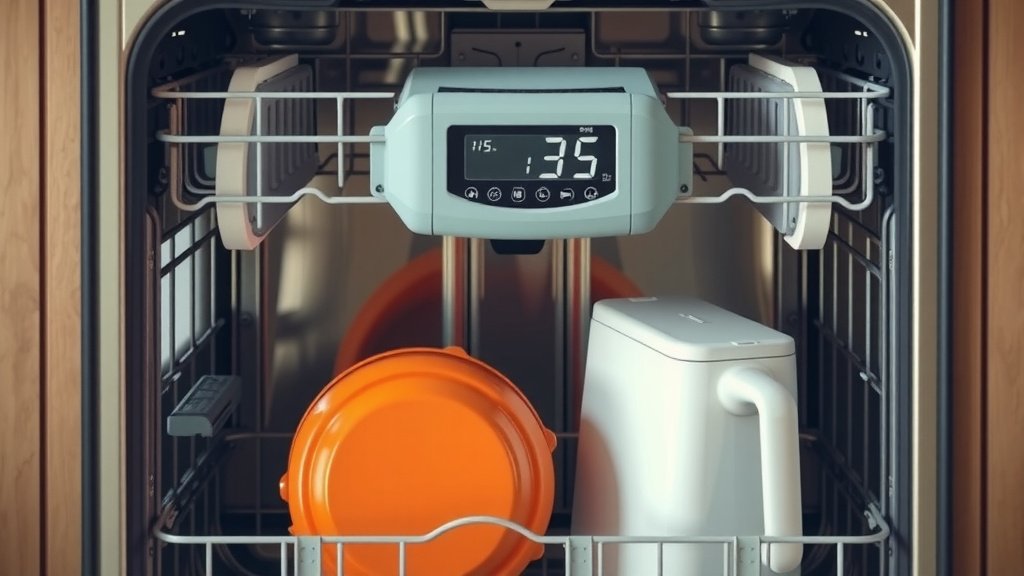
If you’re feeling adventurous and cautious, you could try carefully using a waterproof digital meat thermometer. During the main wash or a hot rinse cycle, open the dishwasher door *very slightly* and quickly insert the probe into the water pooling at the bottom. Be extremely careful not to scald yourself. This method can give you an approximate reading, but remember it’s a snapshot and not a precise measurement of the entire cycle.
Consulting Your Manual
The best and safest way to understand your dishwasher’s heat capabilities is to check your owner’s manual. It should specify the temperature ranges for different cycles or mention if it has specific sanitizing features that guarantee a certain temperature. It’s your best resource for understanding your specific appliance’s performance.
Signs Your Dishwasher Isn’t Getting Hot Enough
Are your dishes still coming out greasy or not fully clean? This could be a sign that your dishwasher isn’t reaching the proper temperature. Other indicators might include cloudy glassware or dishes that don’t feel truly clean. If you’re experiencing these issues consistently, it’s worth investigating whether your dishwasher is heating water effectively.
Here’s a quick checklist to consider if you suspect temperature issues:
- Are dishes consistently coming out greasy?
- Is there visible food residue left behind?
- Is your detergent dissolving properly?
- Is your dishwasher making unusual noises during heating?
- Have you checked your home’s water heater setting?
- Is your dishwasher’s door seal intact?
Conclusion
You’ve learned that your dishwasher gets surprisingly hot, typically between 130-150°F (54-66°C). This high heat is your secret weapon against stubborn grease and ensures a truly sanitized clean for your dishes. Remember that different cycles use varying temperatures, so selecting the right one can optimize your cleaning results. If you notice your dishes aren’t coming out as clean as they should, it might be time to check your dishwasher’s temperature capabilities. Consult your owner’s manual for the safest and most accurate information about your specific model.
Frequently Asked Questions
Can my dishwasher’s water temperature actually sanitize dishes?
Yes, when your dishwasher reaches the higher end of its temperature range, typically 140-150°F (60-65°C), it can effectively sanitize dishes. This temperature helps kill off many common household germs and bacteria, contributing to a more hygienic kitchen.
What is the hottest setting my dishwasher might have?
Many dishwashers offer an “extra hot” or “sanitize” cycle option. These specialized settings can push the water temperature higher, sometimes up to 160°F (71°C), for maximum cleaning power and germ elimination.
Why are my dishes still greasy even after a wash cycle?
Greasy dishes can indicate that your dishwasher isn’t reaching a high enough temperature. This could be due to using a light cycle, an older heating element, or an issue with your home’s hot water supply or the dishwasher’s heater itself. Consistently greasy dishes warrant further investigation.
Is it safe to use very hot water from my home’s water heater in the dishwasher?
While your dishwasher needs hot water, it’s generally recommended to set your home’s water heater to around 120°F (49°C) for safety reasons to prevent scalding. Your dishwasher’s built-in heating element will then boost the water temperature to its optimal cleaning level.
How does dishwasher heat compare to handwashing temperature?
Dishwashers can safely reach and maintain much higher temperatures than you can comfortably tolerate when handwashing. Most people find water above 110°F (43°C) too hot to keep their hands in. This temperature difference is a major reason why dishwashers excel at cutting through grease and sanitizing.