
How Often to Clean Your Dishwasher for Best Results
You should clean your dishwasher about once a month to keep it running smoothly and prevent yucky buildup. A clean dishwasher means cleaner dishes, fewer smells, and a longer lifespan for your appliance. It’s not as hard as you think to keep it sparkling!
Ignoring your dishwasher can lead to smelly odors and dishes that aren’t really clean. Food particles, grease, and mineral deposits can all build up inside. Regular cleaning helps avoid these issues and ensures your dishwasher is truly effective.
- Monthly cleaning is the general rule.
- Deep clean if you notice smells or poor performance.
- Wipe down the door and seal frequently.
- Clean the filter every few weeks.
- Run a cleaning cycle with vinegar or a dishwasher cleaner.
Ready to get your dishwasher back in top shape? Let’s walk through exactly how to do it, step by step.
How Often Should You Really Clean Your Dishwasher?
You might be wondering about the best schedule for dishwasher cleaning. Most experts agree that a monthly cleaning is ideal. This regular upkeep helps prevent common problems and keeps your appliance running like a champ. Think of it as a spa day for your dishwasher!
Understanding Dishwasher Grime: What’s Hiding Inside?
So, what exactly builds up in there? It’s a mix of things. Food particles, yes, but also grease from dishes. Over time, these can harden. Then there are mineral deposits from your water, especially if you have hard water. These can leave a chalky residue.
The Culprits Behind a Smelly or Ineffective Dishwasher
These substances don’t just disappear. They can clog filters, coat spray arms, and even create a breeding ground for mold and bacteria. This is what leads to that not-so-fresh smell. It can also mean your dishes aren’t getting truly clean. You might see spots or a greasy film.
Why Regular Cleaning Matters for Your Dishes and Appliance
Keeping things clean ensures optimal performance. It means water can flow freely. It allows the detergent to work its magic. Plus, it prevents yucky stuff from redepositing onto your clean dishes. This extends the life of your dishwasher too. Less strain means fewer repairs down the line.
A Monthly Cleaning Routine: What to Do and When
A thorough cleaning once a month covers most bases. It’s a good habit to get into. We’ll break down the steps to make it easy.
Step 1: Empty and Inspect the Filter
This is a big one! Your dishwasher’s filter traps food bits. If it’s clogged, nothing else will work well. Most filters are found at the bottom of the dishwasher. You might need to twist or lift them out. Check your dishwasher’s manual if you’re unsure.
Cleaning the Filter: A Quick and Dirty Guide
Once removed, rinse the filter under warm running water. Use a soft brush, like an old toothbrush, to scrub away any stuck-on gunk. You can use a little dish soap if needed. Rinse thoroughly and put it back in place. This is often the biggest reason for poor performance.
Step 2: Tackle the Interior Walls and Door Seal
Wipe down the inside walls and the door. Pay close attention to the rubber seal around the door. This is where moisture can linger and mold can grow. Use a damp cloth with a little dish soap or an all-purpose cleaner. Get into all the nooks and crannies.
Step 3: Clean the Spray Arms
The spray arms are what shoot water onto your dishes. They have little holes, or jets, that can get clogged with food debris or mineral buildup. If these jets are blocked, water won’t spray effectively. This means your dishes won’t get clean.
Unclogging Spray Arm Jets
You can usually remove the spray arms. They might twist off or have a clip. Once off, use a toothpick or a thin piece of wire to poke through each jet. Clear out any blockages. Rinse them well before reattaching. Some people find this step quite satisfying!
Step 4: Run a Cleaning Cycle
This is where the real deep clean happens. You have a couple of great options here.
Option A: The Vinegar Method
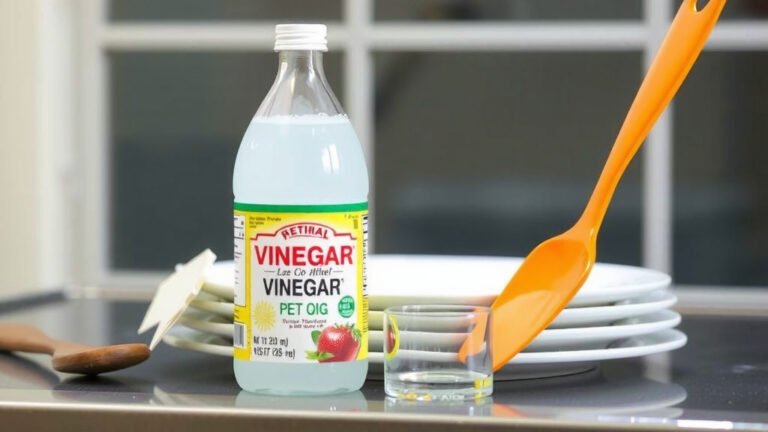
Vinegar is a fantastic natural cleaner. It helps break down grease and mineral deposits. Place a dishwasher-safe bowl or cup filled with about one to two cups of white vinegar on the top rack of your empty dishwasher. Run a hot water cycle. The vinegar will circulate and clean the interior.
Option B: Use a Commercial Dishwasher Cleaner
There are many effective dishwasher cleaning products available. Follow the instructions on the product packaging. Typically, you’ll place the cleaner in the detergent dispenser or on the bottom rack. Then, run a hot water cycle. These cleaners are specifically formulated to tackle grime.

When to Deep Clean More Frequently
While monthly cleaning is a great baseline, sometimes you need to clean more often. Do you notice a persistent bad smell even after a cleaning cycle? Are your dishes coming out less than sparkling? These are signs your dishwasher might need a deeper clean, or more frequent attention.
Signs Your Dishwasher Needs Extra TLC
- Persistent unpleasant odors that cleaning doesn’t fix.
- Visible grime or residue on the interior walls or racks.
- Dishes still look dirty or have spots after a wash cycle.
- Water pooling at the bottom of the dishwasher after a cycle.
Quick Mid-Month Maintenance
In addition to your monthly deep clean, a few quick checks can go a long way. We found that wiping down the door and seal once a week is a good practice. Also, give the filter a quick rinse every couple of weeks if you use your dishwasher a lot. This prevents major buildup.
A Simple Checklist for Dishwasher Cleanliness
Want to make sure you don’t miss a step? Keep this checklist handy:
- Check and clean the filter (monthly, or bi-weekly with heavy use).
- Wipe down the door and seal (weekly).
- Inspect and clean spray arm jets (monthly).
- Run a cleaning cycle with vinegar or cleaner (monthly).
- Ensure no large food particles remain before loading (every use).
- Check for standing water after a cycle (as needed).
| Task | Recommended Frequency | Why It’s Important |
|---|---|---|
| Filter Check & Clean | Monthly (or more often for heavy use) | Prevents clogs and ensures proper water flow. |
| Interior Wipe Down | Monthly | Removes grime, prevents mold and mildew. |
| Spray Arm Jet Cleaning | Monthly | Ensures water reaches all parts of the load. |
| Deep Cleaning Cycle (Vinegar/Cleaner) | Monthly | Removes grease, mineral deposits, and odors. |
| Door Seal Wipe | Weekly | Prevents mold and keeps the seal pliable. |
Conclusion
You’ve learned that keeping your dishwasher clean is more than just a chore; it’s essential for sparkling dishes and a long-lasting appliance. A monthly cleaning routine, focusing on the filter, spray arms, and interior, will prevent odors and improve performance. Don’t forget those quick weekly wipes of the door seal!
By following these steps consistently, you ensure your dishwasher works efficiently and hygienically. Ready to give your dishwasher the spa day it deserves? Make cleaning it a part of your regular home maintenance schedule starting today!
Frequently Asked Questions
How do I know if my dishwasher is actually dirty?
You’ll often notice a persistent, unpleasant smell coming from inside the appliance, even when it’s empty. Additionally, if your dishes are consistently coming out with spots, residue, or not looking truly clean, it’s a strong sign your dishwasher needs attention.
Can I clean my dishwasher with just soap and water?
While soap and water are great for wiping down the door seal and interior walls, they aren’t enough for a deep clean. For the interior, using white vinegar or a commercial dishwasher cleaner during a hot cycle is recommended to break down grease and mineral buildup effectively.
What’s the best way to clean a really clogged dishwasher filter?
First, carefully remove the filter according to your dishwasher’s manual. Rinse it under warm running water to dislodge loose debris. For stubborn gunk, use an old toothbrush with a little dish soap to gently scrub away stuck-on particles. Rinse thoroughly before reinserting it.
Should I clean my dishwasher more often if I have hard water?
Yes, if you have hard water, you should consider cleaning your dishwasher more frequently. Hard water deposits mineral buildup faster. You might want to clean the filter every two weeks and run a vinegar or cleaner cycle monthly, or even bi-weekly if you notice any signs of residue.
Is it okay to use bleach to clean my dishwasher?
It’s generally not recommended to use bleach in your dishwasher. Bleach can be harsh and may damage the interior components or rubber seals over time. Stick to vinegar or specialized dishwasher cleaners for a safer and equally effective clean.