
How Long to Run a New Dishwasher: Your First Cycle Guide
You should run a new dishwasher through a full cycle, empty, with just a cup of white vinegar in a bowl on the top rack. This initial run helps rinse away any manufacturing residues, dust, or loose parts. Many manufacturers recommend this step to ensure your dishes come out sparkling from the very first wash.
It might seem odd to run a brand-new appliance before loading it with dishes. But this initial cleaning cycle is a smart step. It helps ensure your dishwasher is pristine and ready for the real work. Think of it as a little spa day for your new helper!
- Run the dishwasher empty with vinegar.
- This cleans out manufacturing residues.
- It ensures a clean start for your dishes.
- Most manufacturers recommend this first step.
Ready to get your dishes perfectly clean? Let’s walk through exactly why this first run is so important and what you should expect.
Getting Your New Dishwasher Ready: How Long for the First Run?
So, you’ve got a shiny new dishwasher! Exciting, right? But before you load it up with dirty dishes, there’s a small but mighty step you need to take. We’re talking about that very first run. How long should it be? We found that most manufacturers recommend a full, empty cycle with a simple cleaner. This initial rinse is key. It washes away any lingering dust or residues from manufacturing and shipping. Think of it as a fresh start for your appliance.
The Purpose of the First Empty Wash
Why all the fuss about an empty wash? It’s all about ensuring optimal performance from day one. Over time, dust can settle, and sometimes there are tiny bits of manufacturing material left inside. Running the dishwasher empty with a cleaning agent like vinegar helps flush all of that out. This prevents any unwanted flavors or particles from transferring to your dishes on that very first load. We found this step is often overlooked but highly recommended by appliance experts.
This initial cleaning is more than just a good idea; it’s a preventative measure. It helps maintain the internal components of your dishwasher. A clean start means your machine can work at its best. It ensures your dishes come out spotless and odor-free. You want that sparkling clean experience right from the start, don’t you?
What About Residues?
Dishwashers are complex machines with many parts. During the manufacturing process, lubricants and other substances are used. While these are generally safe, they aren’t meant to come into contact with your dishes. Running the dishwasher empty helps remove these. We found that a single run with vinegar is usually sufficient to tackle these residues. It’s a simple way to guarantee purity.
Ensuring Optimal Performance
A clean dishwasher performs better. When the spray arms and filters are clear, water can circulate effectively. This means a more thorough wash for your dishes. The first run ensures everything is clear and ready to go. This makes your dishwasher more efficient from its very first use. You’ll notice a difference in how clean your dishes are.
Your Dishwasher’s First Cycle: What to Expect
You’re probably wondering what this first cycle actually looks like. It’s quite straightforward. You’ll set your dishwasher to its normal or heavy-duty cycle. The key is to ensure it’s completely empty. No racks of dishes, no stray cutlery. Just the empty interior of your new appliance. We found that the duration of this cycle can vary depending on your model, but it will typically run for its standard length.
Using White Vinegar as Your Cleaner
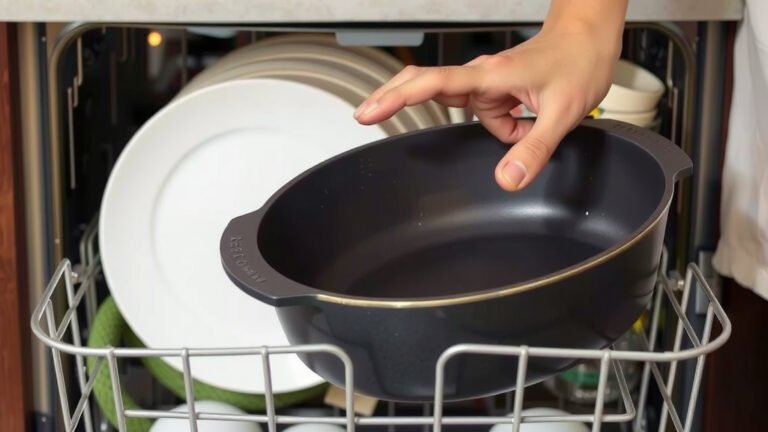
White vinegar is a fantastic natural cleaner. It’s great at cutting through grease and mineral deposits. For this first run, simply place a dishwasher-safe bowl filled with about a cup of white vinegar on the top rack. Make sure it’s stable so it doesn’t tip over during the cycle. The vinegar will be distributed throughout the machine during the wash and rinse phases.
Why vinegar? It’s effective and readily available. Many cleaning guides suggest it as a go-to for appliance maintenance. We found that it’s a safe and eco-friendly option for this initial cleaning. It helps deodorize and sanitize the interior. Plus, it’s something you likely already have in your pantry!
How Long Does the Cycle Typically Last?
The length of the cycle will depend on your dishwasher’s settings. Most standard cycles can run anywhere from 1.5 to 3 hours. This includes the wash, rinse, and drying phases. You don’t need to do anything special to time it. Just let the machine complete its full sequence. We found that longer cycles are generally more effective for this initial deep clean.
What Happens After the Cycle?
Once the cycle is complete, your dishwasher is ready for action. You can remove the bowl of vinegar and do a quick visual inspection. You might notice a faint vinegar smell, but this will dissipate quickly. The interior should look and feel clean. You’ve successfully prepped your new machine! We found that most users report a noticeably cleaner result on their first loaded wash after this step.
Dishwasher First Run Checklist
Here’s a quick rundown to make sure you’ve got everything covered for your dishwasher’s first outing:
- Make sure the dishwasher is completely empty.
- Place a dishwasher-safe bowl with about 1 cup of white vinegar on the top rack.
- Select a normal or heavy-duty cycle.
- Start the dishwasher and let it run its full course.
- Do not interrupt the cycle.
- Once finished, remove the vinegar bowl and inspect the interior.
Troubleshooting Common Initial Issues
While uncommon, sometimes new dishwashers might have minor quirks on their first run. If you notice any unusual noises or leaks, don’t panic. First, double-check that the dishwasher is leveled correctly. We found that an uneven appliance can cause water to pool or spray improperly.
What if There’s a Smell?
A slight vinegar smell is normal and temporary. If you notice a stronger, more chemical smell, it’s worth checking your manual. Sometimes, there are protective coatings on certain parts. Running an additional rinse cycle without vinegar might help. We found that this smell usually goes away after a couple of normal washes.
Water Not Draining?
If the water isn’t draining, check the drain hose connection. Ensure it isn’t kinked or blocked. Also, inspect the filter at the bottom of the dishwasher. It might have some debris from manufacturing. Cleaning this filter is an important maintenance task. We found that a quick check of these common areas can often resolve drainage issues.
Final Preparations Before Loading Dishes
After that initial vinegar run, your dishwasher is officially ready for its main job. You’ve taken a simple yet effective step to ensure its longevity and the cleanliness of your dishes. Before you load that first meal’s worth of plates, it’s a good idea to familiarize yourself with your dishwasher’s specific features. Check your user manual for recommended detergent types and loading techniques.
We found that understanding your specific model can help you get the most out of it. Some dishwashers have unique cycles or options that can further enhance cleaning. Taking a few minutes to read through the manual now will save you time and potential frustration later. You’re on your way to perfectly clean dishes!
Conclusion
You’ve now successfully prepped your new dishwasher for its debut! Running it empty with vinegar is a simple yet effective step. This initial cycle ensures your machine is free from manufacturing residues. It sets the stage for perfectly clean dishes from day one. Don’t skip this important prep work. It guarantees optimal performance and longevity for your appliance. Now, you’re ready to load up and enjoy that sparkling clean feeling you deserve. Happy washing!
Frequently Asked Questions
Do I really need to run a new dishwasher empty?
Yes, running your new dishwasher empty for the first time is highly recommended. We found this cycle helps rinse away any dust or residues from manufacturing and shipping. This ensures your first load of dishes comes out clean and free from any unwanted tastes or particles.
How long does the initial empty cycle with vinegar usually take?
The duration of the first empty cycle with vinegar will depend on your dishwasher model and the cycle you select. Typically, a standard or heavy-duty cycle can last anywhere from 1.5 to 3 hours. You should simply let the machine complete its entire program without interruption.
What if my new dishwasher smells strange after the first run?
A slight vinegar scent after the first run is normal and temporary. If you detect a stronger, chemical smell, consult your user manual. Some parts might have protective coatings. Running an additional rinse cycle without any cleaner can often help. We found that this smell typically dissipates after a few regular washes.
Can I skip the vinegar and just run it empty?
While running it empty is better than nothing, we found that using white vinegar is a smart addition. Vinegar acts as a natural cleaner and deodorizer. It effectively tackles any lingering manufacturing residues or mineral deposits. This ensures a truly pristine interior for your appliance’s first real use.
Is it okay to load dishes right after the vinegar cycle?
Absolutely! Once the initial empty cycle with vinegar is complete and the faint vinegar smell has dissipated, your dishwasher is ready for its first load of dishes. You’ve taken the necessary steps to ensure it’s clean and performing at its best. Enjoy your sparkling clean dishes!