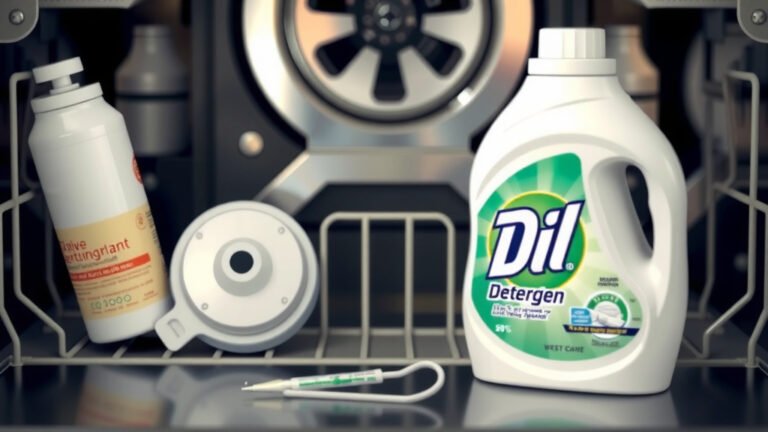

What Is Dishwasher Salt and Why Do You Need It
Dishwasher salt is a special type of coarse salt specifically designed to be used in your dishwasher’s water softening system. It works by reducing the hardness of the water, which helps prevent limescale buildup and improves your dishwasher’s cleaning performance. This ensures your dishes come out sparkling clean without any stubborn spots.
Hard water contains high mineral content, like calcium and magnesium. These minerals can leave behind chalky deposits on your dishes and inside your dishwasher. Using dishwasher salt actively combats this, ensuring your detergent works more effectively and keeping your appliance in great shape. Many experts agree it’s a small step with big benefits for your cleaning routine.
- Dishwasher salt softens hard water.
- It prevents limescale buildup.
- Your dishes will be spot-free.
- It keeps your dishwasher running smoothly.
Let’s dive into exactly why this special salt is so important for your kitchen and how it makes a real difference.
Why Your Dishwasher Needs Special Salt
You might be wondering why you can’t just use the salt from your kitchen. Well, dishwasher salt isn’t your average table salt. It’s a coarse-grained salt made from pure sodium chloride. This purity is key. It’s designed to dissolve slowly and safely. This special salt works with your dishwasher’s built-in water softening system. Think of it as fuel for that system. Without it, your water stays hard, and that causes a cascade of cleaning problems.
Understanding Water Hardness and Your Dishwasher
Most homes in the U.S. deal with hard water to some degree. This means your water has a lot of dissolved minerals, especially calcium and magnesium. These minerals aren’t bad to drink, but they can be a real nuisance for your dishwasher. They leave behind chalky residue. This residue shows up on your dishes as spots and streaks. It also builds up inside your dishwasher itself. This buildup can clog pipes and damage heating elements over time.
How Hard Water Affects Cleaning
Hard water minerals interfere with how your detergent works. They react with the cleaning agents in your detergent. This makes the detergent less effective. So, you might use more detergent, thinking it will clean better. But it’s the water hardness that’s the real culprit. Your dishes won’t get as clean. You’ll likely see those frustrating white spots, especially on glassware. This can make even clean dishes look dull.
The Limescale Problem
Over time, the minerals in hard water form limescale. This is a hard, white deposit that clings to surfaces. Inside your dishwasher, limescale can coat the heating elements. This makes them work harder to heat the water. It uses more energy and can lead to premature failure. It can also clog the spray arms. This reduces water pressure and spray efficiency. Your dishwasher might start making odd noises as it struggles. Research shows that limescale buildup is a common reason for appliance repairs (Energy Star). You want to avoid that.
The Role of Dishwasher Salt in Water Softening
Your dishwasher likely has an internal water softener. This unit contains a resin bed. When hard water flows through this resin, the calcium and magnesium ions stick to the resin. This leaves softer water to go through the wash cycles. However, the resin bed eventually becomes saturated with these minerals. It needs to be recharged. This is where the dishwasher salt comes in.
How the Salt Recharges the Resin
The dishwasher salt dissolves in the water. This creates a brine solution. This salty water is then flushed through the resin bed. The high concentration of sodium ions in the brine forces the calcium and magnesium ions off the resin. The resin is now “regenerated” and ready to soften more water. The excess minerals and salt are then flushed away during the rinse cycle. It’s a clever, automatic process that keeps your water soft.
Why Not Regular Salt?
You absolutely cannot use table salt or any other type of salt. Table salt is iodized and contains anti-caking agents. These additives will damage your dishwasher’s water softening system. They can cause blockages and costly repairs. Dishwasher salt is pure sodium chloride. It’s made without these additives. It’s also coarser than table salt. This ensures it dissolves at the right rate in the salt compartment.
| Type of Salt | Additives | Purity | Suitability for Dishwasher |
|---|---|---|---|
| Dishwasher Salt | None | High (99%+ Sodium Chloride) | Yes, specifically designed. |
| Table Salt | Iodine, anti-caking agents | Lower, variable | No, will damage the appliance. |
| Rock Salt / Ice Melt | Varies widely, often contains impurities | Very low | Absolutely not. |
Benefits of Using Dishwasher Salt Consistently
Using dishwasher salt offers several tangible benefits. It’s a small effort for a big reward. You’ll notice cleaner dishes and a healthier dishwasher. Many appliance manufacturers recommend it, especially in areas with hard water (Whirlpool, GE). It’s a fundamental part of keeping your machine running efficiently.
Sparkling Dishes, Every Time
The most obvious benefit is improved cleaning performance. When your water is softened, your detergent can work at its best. You’ll see fewer spots and streaks on your glasses and plates. This is especially noticeable with glassware. It will come out clear and shiny, not cloudy. Your silverware will also gleam. You won’t have to rewash or polish as often.
Protecting Your Dishwasher’s Lifespan
Regular use of dishwasher salt helps prevent limescale buildup. This protects the internal components of your dishwasher. It keeps spray arms from clogging. It prevents damage to the heating elements. This means your dishwasher will likely last longer. It will also operate more efficiently. This can save you money on energy bills and repair costs. Studies show that appliances running on softened water perform better (U.S. Department of Energy).
Enhanced Detergent Effectiveness
As we mentioned, hard water minerals fight with your detergent. Softened water lets the detergent’s cleaning agents do their job without interference. You might even find you need less detergent. This saves you money and is better for the environment. You get a better clean with less product. It’s a win-win situation.
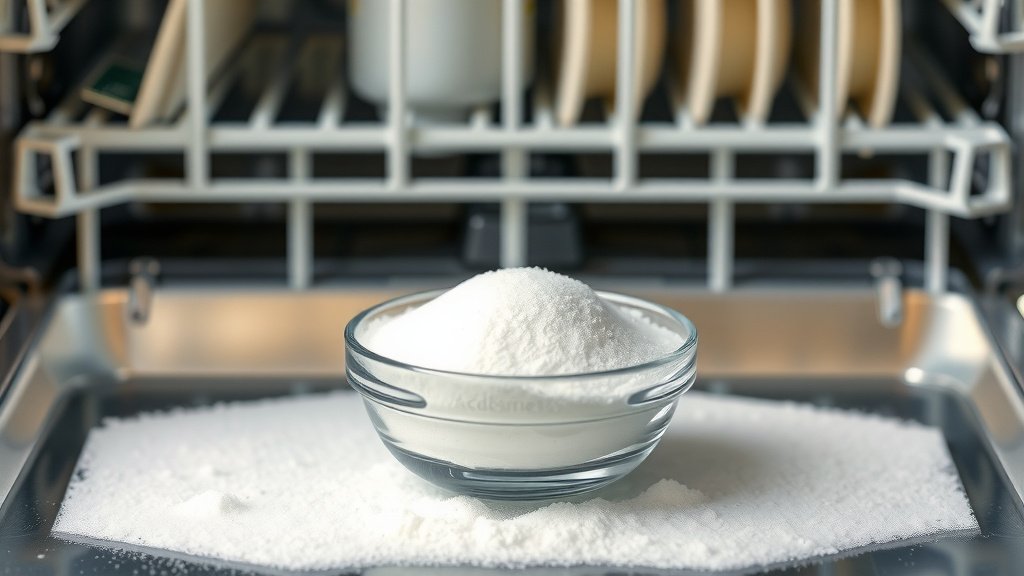
When Should You Use Dishwasher Salt?
The frequency depends on your local water hardness. You can usually find out your water hardness level from your local water utility. Many dishwashers have an indicator light for the salt reservoir. When this light comes on, it’s time to refill. If your water is particularly hard, you’ll need to add salt more often. Even if your dishwasher doesn’t have an indicator, if you notice spots on your dishes, it’s a good sign to check your salt level.
Checking Your Local Water Hardness
You can often find reports on your municipal water supply. These reports will detail mineral content. Websites like the USGS Water Science School provide general information. If you’re unsure, you can buy a simple water hardness test kit online or at a hardware store. Most experts agree that if your water measures above 7 grains per gallon, you have hard water and should use dishwasher salt (Water Quality Association).
Simple Steps for Adding Dishwasher Salt
Adding dishwasher salt is straightforward. First, locate the salt compartment. It’s usually at the bottom of your dishwasher tub. You might need to remove a lower rack to access it. Unscrew or lift the cap. Fill the compartment with dishwasher salt. It’s normal for some water to spill out; this is a designed feature. Once full, replace the cap tightly. Run a short rinse cycle or a full cycle to flush out any excess salt.
What to Expect After Adding Salt
After adding salt and running a cycle, you should start to see improvements. Dishes will come out cleaner. Spots and streaks should diminish. Your dishwasher might also run a little quieter. Keep an eye on the salt indicator light. Refill as needed. It’s a simple maintenance task that makes a big difference.
A Quick Checklist for Dishwasher Salt Users
- Check your local water hardness level.
- Ensure your dishwasher has a salt compartment.
- Always use pure dishwasher salt, never table salt.
- Refill the salt reservoir when the indicator light comes on.
- If no light, check for spots on dishes and refill if needed.
- Add salt when the compartment is low or empty.
Conclusion
You now know that dishwasher salt is more than just a cleaning booster; it’s essential for maintaining your appliance’s health. It actively combats hard water, preventing limescale and ensuring your detergent works effectively. This means fewer spots on your dishes and a longer lifespan for your dishwasher. By understanding your water hardness and regularly refilling the salt compartment with the correct type of salt, you’re making a smart investment in your kitchen routine. Make it a habit to check your salt levels and keep your dishwasher running at its best.
Frequently Asked Questions
How often should I add dishwasher salt?
You should add dishwasher salt whenever your dishwasher’s indicator light comes on. If your dishwasher doesn’t have an indicator, look for signs like spots on your dishes. In areas with very hard water, you might need to refill it more frequently, perhaps every few weeks. For softer water areas, it might last several months.
Can I use regular table salt if I run out of dishwasher salt?
No, you absolutely should not use regular table salt. Table salt contains additives like iodine and anti-caking agents that can damage your dishwasher’s water softening system. This can lead to clogs and expensive repairs. Always use salt specifically labeled for dishwasher use.
What happens if I don’t use dishwasher salt in a hard water area?
If you have hard water and don’t use dishwasher salt, mineral buildup (limescale) will occur. This will lead to spots and streaks on your dishes, especially glassware. It can also clog your dishwasher’s spray arms and damage its heating elements, reducing its efficiency and lifespan.
Does dishwasher salt make my dishes taste salty?
No, dishwasher salt is designed to be flushed away during the rinse cycle. Its primary purpose is to soften the water used in the washing and rinsing processes, not to leave any salty residue on your dishes. You should not taste or feel any salt on your clean dishes.
Can I put dishwasher salt in the detergent compartment?
No, you must only put dishwasher salt in the dedicated salt compartment, usually located at the bottom of the dishwasher tub. The detergent compartment is for your dishwasher detergent. Putting salt in the wrong compartment can damage the machine and render it ineffective.