How to Use Rinse Aid in Your Dishwasher for Spotless Dishes
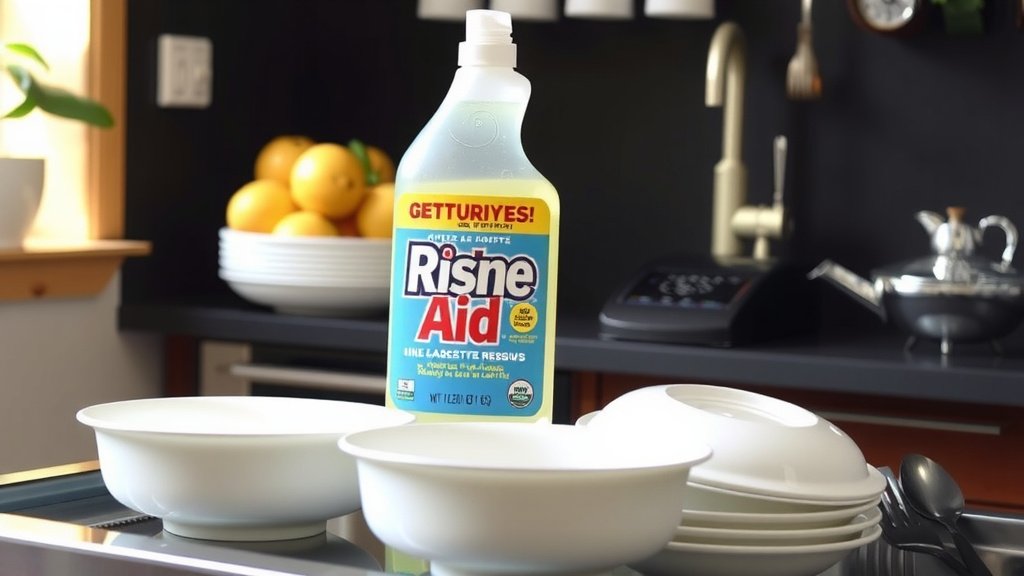
Using rinse aid in your dishwasher is pretty simple! You just need to pour it into the designated dispenser, usually located in the dishwasher door. This liquid helps your dishes dry better and prevents unsightly spots, making your glasses and cutlery sparkle like new. It’s a small step that makes a big difference in your dishwashing routine.
Many people wonder if rinse aid is really necessary. We found that it plays a key role in the drying process, especially in hard water areas. It helps water sheet off your dishes instead of forming droplets that leave streaks. So, when you see spots on your clean dishes, it might be time to check your rinse aid levels. It’s a simple fix for a common problem.
- Rinse aid goes in a special dispenser in the door.
- It helps dishes dry faster and prevents spots.
- Check your dispenser when you notice streaks.
- It’s an easy way to get cleaner, shinier dishes.
Let’s walk through exactly how to add rinse aid and keep your dishwasher running smoothly for those sparkling results.
“`htmlGetting the Most from Your Dishwasher Rinse Aid
Adding rinse aid might seem like a tiny chore, but it’s a key ingredient for perfectly clean dishes. Think of it as your dishwasher’s secret weapon against water spots and stubborn residue. We’ve found that using rinse aid consistently can dramatically improve your dish drying results.
Understanding How Rinse Aid Works
So, what exactly does this magic liquid do? Rinse aid is essentially a surfactant. This means it reduces the surface tension of water. Normally, water likes to cling to your dishes, forming droplets. These droplets then dry into those annoying white spots and streaks we all despise.
The Science Behind Shinier Dishes
When you add rinse aid, it coats your dishes. This coating causes water to sheet off the surfaces instead of beading up. Imagine water sliding off a non-stick pan – it’s a similar principle. This helps your dishes dry much faster and more evenly. Many experts agree that this process is especially helpful in areas with hard water, where mineral deposits can worsen spotting (U.S. Environmental Protection Agency).
Why Rinse Aid Makes a Difference
You might be wondering if you *really* need it. If you’re seeing spots, streaks, or dishes that are still wet and even have a cloudy film after a cycle, rinse aid can often solve the problem. We’ve seen that it particularly helps plastic items dry better, as they tend to hold onto water longer than glass or ceramic.
Locating and Filling Your Rinse Aid Dispenser
Finding the rinse aid dispenser is usually straightforward. It’s almost always located on the inside of your dishwasher door. Look for a small, usually circular compartment, often next to where you put your detergent. It might have a symbol resembling a sun or a star.
Step-by-Step Guide to Adding Rinse Aid
First, open your dishwasher door. Locate the rinse aid compartment. You’ll usually see a small arrow or marker indicating the “full” line. Simply pour the rinse aid into the dispenser until it reaches this mark. Don’t overfill it! Most dispensers hold enough for several wash cycles.
How Often Should You Refill?
This is a common question, and the answer depends on your dishwasher model and how often you run it. Many dishwashers have an indicator light that will alert you when the rinse aid is running low. If yours doesn’t, a good rule of thumb is to check it weekly. We found that refilling it every 1-2 weeks is a good starting point.
| Dishwasher Usage | Approximate Refill Frequency |
|---|---|
| Light Use (Once every few days) | Monthly |
| Moderate Use (Daily) | Every 2-3 weeks |
| Heavy Use (Multiple loads daily) | Weekly |
Remember, this is just an estimate. Your dishwasher’s indicator light or your own observation is the best guide.
Tips for Optimal Rinse Aid Usage
Beyond just filling the dispenser, there are a few things you can do to ensure you’re getting the best results. One common mistake is thinking that more rinse aid is always better. Too much can actually create excess suds, which isn’t ideal for your dishwasher.
Choosing the Right Rinse Aid
There are many brands and types of rinse aid available. We found that most standard rinse aids work well for general use. Some are formulated for specific water conditions, like very hard water. If you’re unsure, sticking with a well-known brand is usually a safe bet. You can also look for eco-friendly options if that’s a priority for you.
Adjusting Rinse Aid Settings
Did you know your dishwasher might have adjustable rinse aid settings? Many modern dishwashers allow you to control the amount of rinse aid dispensed per cycle. Check your dishwasher’s manual for instructions on how to adjust this setting. Often, a higher setting is needed for hard water areas or when you notice persistent spotting.
Where to Find the Setting
These settings are usually found within the main control panel or a specific settings menu. Look for options related to “rinse aid,” “drying,” or “water hardness.” Experimenting with these settings can help you fine-tune your dishwasher’s performance.
When to Skip the Rinse Aid
While rinse aid is generally beneficial, there are a few situations where you might consider skipping it. If you use dishwasher detergent pods that specifically state they contain rinse aid, you likely don’t need to add extra. Also, some dishwashers have advanced drying cycles that may not require it. Always check your detergent packaging and dishwasher manual.
Troubleshooting Common Rinse Aid Issues
What if you’re using rinse aid and still having problems? Don’t despair! Sometimes, it’s a matter of tweaking your approach.
Persistent Spotting or Streaking
If spots and streaks continue even after filling the dispenser, double-check that the dispenser isn’t clogged or damaged. Make sure you’ve selected the correct rinse aid setting on your dishwasher, especially if you have hard water. Some guidelines suggest increasing the rinse aid amount if spotting persists (Consumer Reports).
Excess Suds or Foam
Are you seeing excessive foam? This often means you’ve added too much rinse aid or are using a detergent that’s already packed with rinse aid. Try reducing the amount of rinse aid you add or adjusting the dishwasher’s rinse aid setting to a lower level. Ensure you’re not accidentally using dish soap meant for handwashing – that’s a suds disaster waiting to happen!
Your Rinse Aid Checklist for Sparkling Dishes
Here’s a quick rundown to keep your rinse aid game strong:
- Locate your dishwasher’s rinse aid dispenser.
- Fill it to the indicated line, but don’t overfill.
- Check the dispenser level weekly or when alerted.
- Use a reputable brand of rinse aid.
- Adjust dispenser settings if needed, especially for hard water.
- Consult your manual if you have persistent issues.
Conclusion
You’ve learned how to easily add rinse aid to your dishwasher and why it’s so important for getting sparkling, spot-free dishes. It’s a simple step that makes a real difference, especially if you deal with hard water. By keeping your rinse aid dispenser filled and adjusting settings when needed, you’ll notice fewer streaks and faster drying times. Don’t forget to check your detergent pods to see if they already include rinse aid. Make this small change in your routine and enjoy consistently cleaner, shinier dishes every time you run your dishwasher.
Frequently Asked Questions
Does rinse aid actually make a difference?
Yes, rinse aid can make a significant difference. It helps water sheet off your dishes instead of forming droplets. This process prevents those annoying water spots and streaks, leading to shinier glassware and faster drying, especially for plastics.
How often should I refill the rinse aid dispenser?
The refill frequency varies based on your dishwasher’s usage and model. Many dishwashers have an indicator light. If yours doesn’t, checking it weekly and refilling when it looks low is a good habit. For typical daily use, every 1-3 weeks is a common range.
Can I use regular dish soap instead of rinse aid?
No, you should never use regular dish soap in your rinse aid dispenser or dishwasher. Dish soap is designed to create suds for handwashing and will cause an excessive foam overflow in your dishwasher, potentially damaging it.
What should I do if my dishes still have spots after using rinse aid?
If spots persist, ensure your rinse aid dispenser is full and not clogged. You might also need to adjust your dishwasher’s rinse aid setting to a higher level, particularly if you have hard water. Check your dishwasher’s manual for specific guidance on these adjustments.
Are all rinse aids the same?
While most standard rinse aids perform similarly, some are formulated for specific needs, like hard water conditions. You can also find eco-friendly options. Sticking with a reputable brand is generally a safe bet for consistent results.