Do Dishwashers Really Clean Dishes Effectively
Yes, dishwashers really do clean dishes effectively when used correctly. They use a powerful combination of hot water, detergent, and **high-pressure jets** to break down food particles. So, if your dishes aren’t coming out spotless, the issue might be with how you’re using it, not the machine itself.
Many people wonder if their dishwasher is truly doing the heavy lifting. Research shows that modern dishwashers are **highly efficient** at sanitizing and cleaning. They can often achieve better results than handwashing, especially when it comes to removing stubborn grease and **killing germs**.
- Dishwashers use hot water and powerful jets.
- They are often more sanitary than handwashing.
- Proper loading is key to clean dishes.
- Using the right detergent matters.
Let’s walk through what makes a dishwasher work its magic and how you can ensure yours is giving you those sparkling results every time.
How Dishwashers Get Your Dishes So Clean
So, can a dishwasher actually get your dishes clean? The short answer is a resounding yes! Modern dishwashers are designed with powerful cleaning technologies. They use a combination of factors that often outperform traditional handwashing. Let’s break down what makes them so effective.
The Science Behind the Sparkle
It’s not just magic; it’s science at work. Your dishwasher is a carefully engineered cleaning machine. It’s designed to tackle even the toughest food debris. This happens through a few key mechanisms working together.
Hot Water Power
One of the biggest advantages is the intense heat. Dishwashers heat water to temperatures between 140°F and 160°F (60°C to 71°C). This is hotter than most people can comfortably tolerate when handwashing. This high heat is fantastic for breaking down grease and baked-on food. It also helps to sanitize your dishes, killing most harmful bacteria.
Detergent’s Role
Dishwasher detergents are specially formulated. They contain enzymes and surfactants. Enzymes help break down food particles like proteins and starches. Surfactants lift grease and grime away from the dish surface. They are much stronger than dish soaps used for handwashing. This is why you should never use hand dish soap in your dishwasher; it causes too many suds!
High-Pressure Jets
Think of the spray arms as your dishwasher’s power washers for dishes. They rotate, spraying hot, soapy water with significant force. This powerful spray reaches every corner of your dishes. It blasts away food residue, even from awkward spots. The force helps to dislodge stuck-on bits that scrubbing might miss.
Dishwashers vs. Handwashing: A Cleanliness Showdown
When comparing clean dishes, dishwashers often have an edge. This is especially true for hygiene. Research shows that using a dishwasher can lead to a more sanitary kitchen.
Germs Don’t Stand a Chance
As mentioned, the hot water is a key factor in sanitization. The Centers for Disease Control and Prevention (CDC) suggests that dishwashers can kill bacteria more effectively than handwashing. This is because most people don’t wash dishes at the high temperatures needed for true sanitization. A dishwasher’s high heat can kill up to 99.9% of common household bacteria (CDC).
Efficiency and Effectiveness
For everyday cleaning, dishwashers are incredibly efficient. They use a consistent amount of water and energy. They are designed to get dishes clean without excessive scrubbing. This frees up your time. Many studies have found that, when properly loaded, dishwashers achieve excellent results on a wide range of food soils.
Are Your Dishes Coming Out Less Than Sparkling? Let’s Troubleshoot.
If you’re finding your dishes aren’t as clean as you’d hoped, don’t blame the machine just yet. Often, a few simple adjustments can make a world of difference. Your dishwasher is likely capable of great things with a little help from you. If you’re finding your dishes aren’t as clean as you’d hoped, don’t blame the machine just yet; simple adjustments can make a world of difference.
The Art of Loading: Giving Dishes Space to Shine
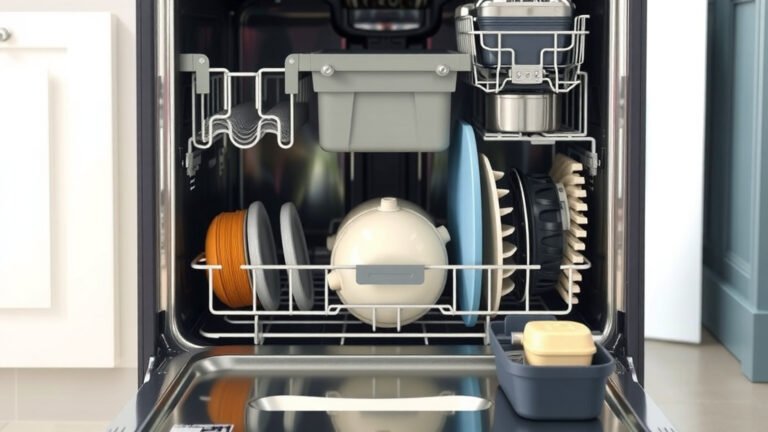
Proper loading is perhaps the most critical factor for getting clean dishes. When dishes are crammed together, water and detergent can’t reach all surfaces. This leaves spots dirty. Imagine trying to paint a wall with a huge pile of canvases blocking you – it wouldn’t work!
Top Rack Tips
The top rack is ideal for lighter, more delicate items. Think glasses, mugs, and small bowls. Ensure they are placed face down or at an angle. This allows water to drain out. Keep taller items from blocking the spray arm’s rotation. Small items like lids or utensils can go in the silverware basket, mixed up.
Bottom Rack Basics
The bottom rack is for your larger, dirtier items. Plates, pots, and pans usually go here. Place plates facing inward and tilted slightly. This directs food debris downward. Ensure nothing is blocking the detergent dispenser. Larger utensils can be placed upright if they fit securely.
Silverware Strategy
Don’t nest silverware in the basket. Mix forks, spoons, and knives. Place knives with the blades down for safety. Spoons and forks can go handle-down or handle-up. Mixing them ensures all surfaces get exposed to the spray. If you have a third rack, it’s perfect for long utensils and small gadgets.
Choosing the Right Tools for the Job: Detergent and Rinse Aid
Using the correct detergent and rinse aid is essential. They are the cleaning agents that make your dishwasher work. The wrong products or amounts can hinder cleaning.
Detergent Dos and Don’ts
Always use dishwasher-specific detergent. Pods, powders, and gels are all options. Follow the manufacturer’s recommendations for your machine. If you have hard water, you might need a detergent formulated for that. Using too little detergent means it won’t clean well. Too much can leave a residue.
The Magic of Rinse Aid
Rinse aid is often overlooked but is a superhero for dish drying and spot prevention. It helps water sheet off your dishes instead of forming droplets. This reduces water spots and speeds up drying. Most dishwashers have a dispenser for it. If you notice spots or your dishes aren’t drying well, check your rinse aid level.
Pre-rinsing: To Do or Not to Do?
This is a common question, and the answer has changed over the years. Modern dishwashers and detergents are designed to handle food soil. In fact, excessive pre-rinsing can actually make your detergent less effective.
Let the Enzymes Work!
Dishwasher detergents contain enzymes that need something to cling to. If you rinse away all the food particles, the enzymes have nothing to break down. This can lead to less effective cleaning. Scrape off large chunks of food, but don’t feel the need to make every plate look brand new before loading.
A good rule of thumb is to scrape off solids that could clog the filter. Think bones, large food scraps, or pits. Then, let your dishwasher do the rest. Your dishwasher’s filter should be cleaned regularly to prevent these larger particles from recirculating.
Maintenance Matters: Keeping Your Machine in Top Shape
Just like any appliance, your dishwasher needs a little TLC. Regular maintenance ensures it runs efficiently and cleans effectively for years to come.
Cleaning the Filter
The filter at the bottom of your dishwasher traps food debris. If it gets clogged, water circulation is reduced, and dishes won’t get clean. Check your manual for its location and cleaning instructions. Most filters can be removed and rinsed under running water. Many experts recommend cleaning it monthly.
Running a Cleaning Cycle
Over time, mineral deposits and grease can build up inside your dishwasher. This can affect performance. You can run an empty cycle with a dishwasher cleaner or a cup of white vinegar. This helps to descale and deodorize the interior. Doing this every few months keeps things fresh and clean.
Here’s a quick checklist to ensure your dishwasher is working its best:
- Scrape large food scraps, don’t pre-rinse excessively.
- Load dishes correctly, ensuring water can reach all surfaces.
- Use the right type and amount of dishwasher detergent.
- Keep the filter clean – check it monthly.
- Refill the rinse aid dispenser as needed.
- Run an occasional cleaning cycle for the machine itself.
Conclusion
So, can your dishwasher really clean your dishes? The answer is a definitive yes, when you use it as intended! We’ve seen how hot water, powerful detergent, and high-pressure jets work together to sanitize and scrub. Remember, the key is proper loading and using the right products. If your dishes aren’t coming out sparkling, don’t despair – a few tweaks to your routine can make all the difference. Take a moment this week to check your filter and adjust your loading strategy. You’ve got this!
Frequently Asked Questions
Why do my dishes still have food on them after a wash cycle?
This usually points to an issue with loading or the machine’s maintenance. Make sure you’re not overcrowding the dishwasher, as this blocks the spray arms. Also, ensure your filter is clean; a clogged filter severely impacts water flow and cleaning power.
Can I use regular dish soap in my dishwasher?
No, absolutely not. Regular dish soap creates far too many suds. This excess foam can overflow your dishwasher and leave a sticky residue on your dishes and inside the machine. Always use detergent specifically made for dishwashers.
How often should I clean my dishwasher’s filter?
You should aim to clean your dishwasher’s filter at least once a month. Food particles can easily accumulate, reducing water pressure and preventing your dishes from getting properly clean. Consult your manual for specific instructions on how to remove and clean it.
Is pre-rinsing dishes before putting them in the dishwasher necessary?
Modern dishwashers and detergents are designed to handle most food soils. In fact, excessive pre-rinsing can make your detergent less effective. It’s best to scrape off large food chunks but leave some residue for the detergent’s enzymes to work on.
What’s the best way to load the silverware basket?
To ensure silverware gets truly clean, don’t nest items. Mix spoons, forks, and knives together, placing some handle-up and some handle-down. This allows the water jets to reach all surfaces. For safety, place knives with the blade-down.