
Do Dishwashers Sanitize Dishes: The Real Answer
Yes, most modern dishwashers can sanitize your dishes. They do this using very hot water and powerful detergents. This combination is effective at killing most common household germs and bacteria. So, you can generally feel confident that your plates are getting a good clean.
While your dishwasher gets things clean, true sanitization relies on reaching specific temperatures. Not all dishwashers heat water to the ideal level on every cycle. Look for cycles specifically labeled as “sanitize” for the best results. These cycles often use even higher temperatures to ensure maximum germ elimination.
- Dishwashers use hot water and detergent to clean.
- Sanitization needs specific, high temperatures.
- Look for a “sanitize” cycle for best germ-killing.
- Older dishwashers may not reach sanitizing temps.
Let’s dive into how your dishwasher achieves sanitization and what you can do to ensure it’s working its best for your family’s health.
Does Your Dishwasher Truly Sanitize Dishes?
You might be wondering if your trusty dishwasher actually kills germs. The good news is that most modern dishwashers are designed to do just that. They use a powerful combination of high heat and specialized detergents to wash away food particles and zap bacteria. It’s like a spa day for your plates, but with more scrubbing power!
The Science Behind a Sparkling Clean
So, how does your dishwasher achieve this germ-fighting magic? It really comes down to two main things: water temperature and the cleaning agents you use. Most dishwashers have internal heating elements or rely on your home’s hot water supply. This hot water is key to breaking down grease and grime.
Then comes the detergent. These aren’t your grandma’s dish soaps. Modern dishwasher detergents are formulated with enzymes and surfactants. Enzymes help break down tough food stains like dried-on pasta sauce. Surfactants help lift grease and prevent it from redepositing on your dishes. Together, they make a formidable cleaning team.
Temperature: The Silent Killer of Germs
When we talk about sanitization, temperature is king. To truly kill most common household bacteria and viruses, water needs to reach a certain heat. The U.S. Centers for Disease Control and Prevention (CDC) suggests that for effective sanitization, wash water should reach at least 150°F (65.6°C) and rinse water should be even hotter, around 160°F (71.1°C) during the final rinse.
Many dishwashers can reach these temperatures, especially if you have a good hot water heater. However, not all cycles are created equal. Some quick wash cycles might not heat the water quite as high. This is where selecting the right cycle becomes important for that extra peace of mind.
What is Sanitization, Anyway?
Sanitization is different from just cleaning. Cleaning removes visible dirt and food. Sanitization goes a step further by reducing the number of microorganisms, like bacteria and viruses, to a safe level. It doesn’t necessarily kill every single germ, but it gets rid of enough of them to prevent illness.
Think of it like this: cleaning your kitchen counter removes crumbs. Sanitizing it kills the bacteria that might have been on those crumbs. Your dishwasher’s goal is to do both effectively, leaving your dishes hygienically clean.
Understanding Your Dishwasher’s Cycles
Most dishwashers come with a variety of cycles. You might have options like “Normal,” “Heavy Duty,” “Quick Wash,” and, importantly, “Sanitize.” What’s the difference? The “Sanitize” cycle is specifically engineered to meet health standards for germ reduction.
This specialized cycle usually runs longer. It uses the hottest possible water temperatures during both the wash and rinse phases. Some models even have a special heating element that boosts the water temperature beyond what your home’s water heater can provide. This ensures the water is hot enough to kill those pesky germs.
When to Use the Sanitize Cycle
When should you hit that “Sanitize” button? It’s a great idea if you have someone in your household who is immunocompromised. This includes babies, the elderly, or anyone with a weakened immune system. It’s also a good idea if you’ve been dealing with a lot of sickness in the house. Think of it as an extra layer of protection for your family’s health.
If you’re washing items that come into contact with food intended for vulnerable individuals, the sanitize cycle is your best friend. It offers that extra assurance that everything is as clean as it can be. For everyday washes, your normal cycle is likely doing a great job too, but for those extra-care situations, the sanitize cycle is worth it.
Factors Affecting Dishwasher Sanitization
While many dishwashers are capable of sanitizing, a few things can affect their performance. It’s not always just about the cycle you choose. We’ve found that several factors can influence how well your dishwasher performs its germ-killing mission.
Your Home’s Water Heater Settings
As we mentioned, dishwashers often rely on your home’s hot water supply. If your water heater is set too low, the dishwasher might not be able to reach the optimal sanitizing temperatures on its own, even with a hotter cycle selected. Most experts recommend setting your water heater to at least 120°F (49°C). However, for optimal dishwashing sanitization, aiming for 140°F (60°C) is even better.
Be cautious, though! Water temperatures above 140°F can cause scalding. It’s a good idea to check your water heater settings and perhaps test the water temperature at a sink faucet to be sure. Many plumbing professionals can help you set this safely.
The Age and Condition of Your Dishwasher
Older dishwashers might not have the same heating capabilities as newer models. The heating element could also be worn out over time. If your dishwasher is several years old, its ability to reach and maintain high temperatures might be compromised. Signs of this could include dishes coming out still somewhat damp or not feeling as clean as they used to.
Manufacturers are constantly improving dishwasher technology. Newer models often have more efficient heating systems and better temperature sensors. If sanitization is a top priority for you and your dishwasher is showing its age, it might be time to consider an upgrade.
Proper Loading Techniques
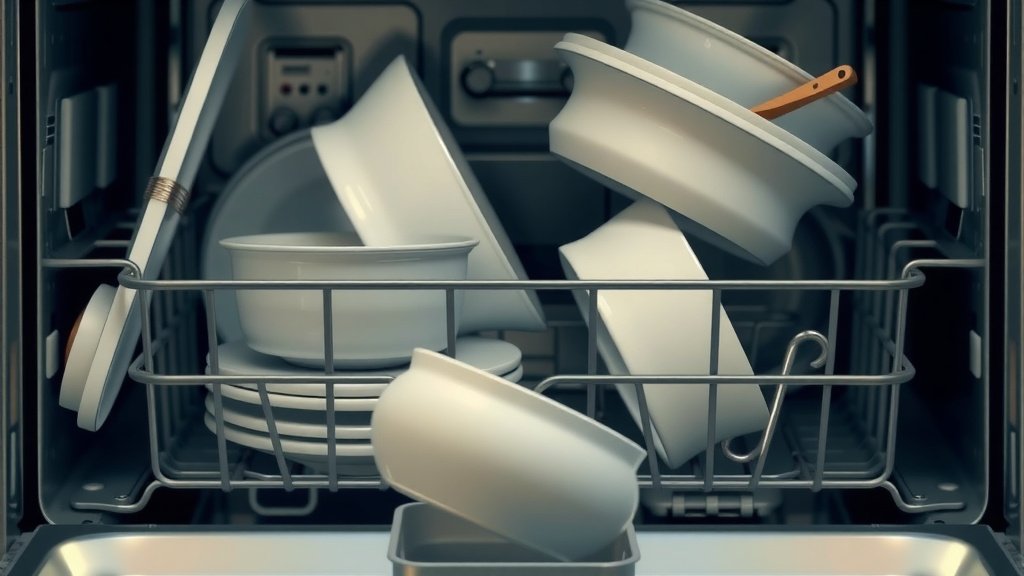
Did you know that how you load your dishwasher can impact its ability to sanitize? It sounds simple, but it’s true! If dishes are too close together or overlapping, the hot water and detergent won’t be able to reach all surfaces effectively. This creates “shadow zones” where germs can hide.
Make sure that water can spray freely between all items. Don’t overcrowd the racks. Larger items should be placed so they don’t block the spray arms. Facing dirtier surfaces towards the center, where the spray is strongest, can also help. A well-loaded dishwasher is a cleaner dishwasher!
Making Sure Your Dishes Get Truly Clean and Sanitized
You want to be confident that your dishes are not just clean, but also hygienically safe. Here are a few tips to help ensure your dishwasher is doing its best job.
Always Use High-Quality Dishwasher Detergent
The detergent you use makes a difference. Opt for a quality detergent specifically designed for automatic dishwashers. Powder, gel, or pods – they all work, but choose one that gets good reviews for cleaning power. Make sure to use the correct amount. Too little won’t clean well, and too much can leave residue.
Consider a Dishwasher Cleaner Periodically
Over time, mineral deposits and food debris can build up inside your dishwasher. This can affect its performance and cleanliness. Running a dishwasher cleaner every few months can help remove these buildups. This ensures that water can flow freely and reach optimal temperatures.
Check for a “Sanitize” Option or Certification
When buying a new dishwasher, look for models that explicitly state they have a “Sanitize” cycle. Some models even carry a certification, like NSF/ANSI Standard 184 for residential dishwashers. This certification means the dishwasher has met specific standards for sanitizing performance.
If your current dishwasher doesn’t have a dedicated sanitize cycle, you can still get good results by using the hottest water cycle available and ensuring your water heater is set appropriately. It might not meet the strict definition of “sanitized” as defined by NSF standards, but it will still be very clean!
Quick Checklist for Sanitized Dishes
- Always use the correct amount of high-quality dishwasher detergent.
- Ensure your home’s water heater is set to at least 120°F, preferably 140°F.
- Select the hottest wash cycle available, especially the “Sanitize” cycle if you have it.
- Load your dishwasher properly to allow water to reach all surfaces.
- Run a dishwasher cleaner every few months to keep the machine running efficiently.
- Check if your dishwasher has an NSF certification for sanitization.
Conclusion
You’ve learned that your dishwasher can indeed be a powerful tool for sanitizing your dishes. By utilizing hot water and effective detergents, it tackles germs that cleaning alone can’t. Remember that selecting the right cycle, especially the “Sanitize” option, is key. You also have control over factors like your home’s water heater settings and how you load the machine. Taking these simple steps ensures your dishes are not just clean, but hygienically safe for your family. Now, you can confidently run your dishwasher knowing you’re protecting your household’s health.
Frequently Asked Questions
Can I sanitize dishes without a “Sanitize” cycle?
Yes, you can get very close to sanitization without a dedicated cycle. Ensure your home’s water heater is set to at least 120°F, aiming for 140°F if possible. Always use the hottest wash cycle your dishwasher offers and a quality detergent for the best results.
How do I know if my dishwasher is actually sanitizing?
Look for a “Sanitize” cycle option on your dishwasher, which is designed to reach specific high temperatures. Some models may also have NSF certification, indicating they meet strict sanitization standards. If your dishes come out very hot and visibly clean, it’s a good sign.
Why are my dishes not getting sanitized even on the sanitize cycle?
Several factors could be at play. Your home’s water heater might not be set high enough, or the dishwasher’s heating element could be aging. Improper loading that blocks water spray or using too little detergent can also prevent proper sanitization.
Is the sanitize cycle necessary for everyday use?
For most healthy households, a normal or heavy-duty cycle with hot water and good detergent is sufficient for everyday cleaning. The “Sanitize” cycle is an excellent extra layer of protection for immunocompromised individuals, babies, or during times of illness.
Will a dishwasher kill all germs and viruses?
Sanitization aims to reduce harmful microorganisms to a safe level, not necessarily eliminate every single germ. Dishwashers, especially on a sanitize cycle, are very effective at killing most common household bacteria and viruses, significantly lowering the risk of illness.