Dishwasher Settings Explained: Get Your Dishes Spotless
Understanding your dishwasher settings can make a huge difference in how clean your dishes get. The best setting often depends on the type of load you have. For everyday use, the normal cycle is usually your go-to. It balances water use and cleaning power effectively for most situations.
But what about those really tough, baked-on messes? Or delicate glassware? Dishwashers come with a variety of cycles designed for specific needs. Learning what each button means helps you avoid rewashing and keeps your dishes in top shape. We’ve researched and found that using the right cycle can also save you water and energy.
- Normal cycle: Great for everyday loads.
- Heavy cycle: Tackles tough, stuck-on food.
- Light/China cycle: Gentle for delicate items.
- Quick/Express cycle: For lightly soiled dishes that need a fast clean.
- Rinse Only: For a quick rinse before a full wash later.
Ready to stop guessing and start washing smarter? Below, we break down exactly what each common dishwasher setting does so you can pick the perfect one for your load.
Decoding Your Dishwasher’s Cycles: A Practical Guide
Your dishwasher is a powerful tool for keeping your kitchen running smoothly. But with all those buttons and settings, it’s easy to feel a bit overwhelmed. We found that many people stick to just one or two settings, missing out on optimized cleaning for different types of dishes. Let’s demystify what each cycle is really for, so you can get the most out of your appliance and have sparkling dishes every time. It’s more than just pushing ‘Start’ – it’s about washing smarter.
The Everyday Workhorse: Understanding Normal Cycle
The Normal cycle is designed for your typical, mixed load of dishes. This means plates, bowls, cups, and cutlery with average food soil. It uses a standard amount of water and heat. We found that this cycle offers a good balance between cleaning performance and resource efficiency for most households. Think of it as your dishwasher’s ‘gentle workout’ – effective without being overkill.
Most manufacturers recommend using the Normal cycle for everyday cleaning needs. It’s programmed to handle food residue that hasn’t been baked on or left to dry for days. If you rinse your dishes lightly before loading, the Normal cycle will likely handle them beautifully. It’s the setting you’ll probably use most often, and for good reason.
Tackling Tough Messes: The Heavy Duty Cycle
Got pots and pans with baked-on cheese? Or casserole dishes with crusty remnants? That’s where the Heavy Duty cycle comes in. This setting is engineered for your most challenging loads. It uses hotter water and a longer wash time. It also often employs a more powerful spray action to blast away stubborn, dried-on food. We found that this cycle can significantly reduce the need for pre-scrubbing.
When should you absolutely reach for this setting? Anytime you have items with heavy soil that has set. This can include items like lasagna pans, greasy frying pans, or heavily soiled roasting dishes. You might even find it useful for items that haven’t been washed for a few days. Many experts suggest that using this cycle when necessary can actually save energy by preventing you from having to rewash dishes.
Gentle Care for Delicate Items: China and Other Cycles
Not all dishes are created equal, and some require a lighter touch. The China cycle (sometimes labeled as Delicate or Gentle) is designed for items that are fragile. This includes fine china, delicate glassware, and items with hand-painted decorations. We found that this setting uses cooler water temperatures and a gentler spray. It also typically has a shorter wash duration.
Why is this cycle so important? Using a standard or heavy cycle on delicate items can lead to etching on glassware or damage to painted designs. The China cycle minimizes these risks. Always check your manufacturer’s recommendations if you have particularly precious items. Many guidelines suggest this cycle is also suitable for lightly soiled, everyday glassware to maintain its clarity.
Speed Cleaning: The Quick or Express Cycle
Sometimes, you just need things done fast. The Quick or Express cycle is your best friend for lightly soiled dishes or when you’re in a hurry. Think of it for the dishes you used for a light breakfast or for items you need for a party in an hour. We found that this cycle sacrifices some thoroughness for speed. It typically uses higher water pressure and a shorter wash time.
What can you realistically expect? This cycle is not designed for heavily soiled or baked-on food. It’s perfect for a refresh rather than a deep clean. If you have items that have just a few crumbs or light residue, this cycle will likely do the trick quickly. It’s a great way to get a load done in under an hour, saving you time when you need it most.
The Pre-Wash: Understanding Rinse Only
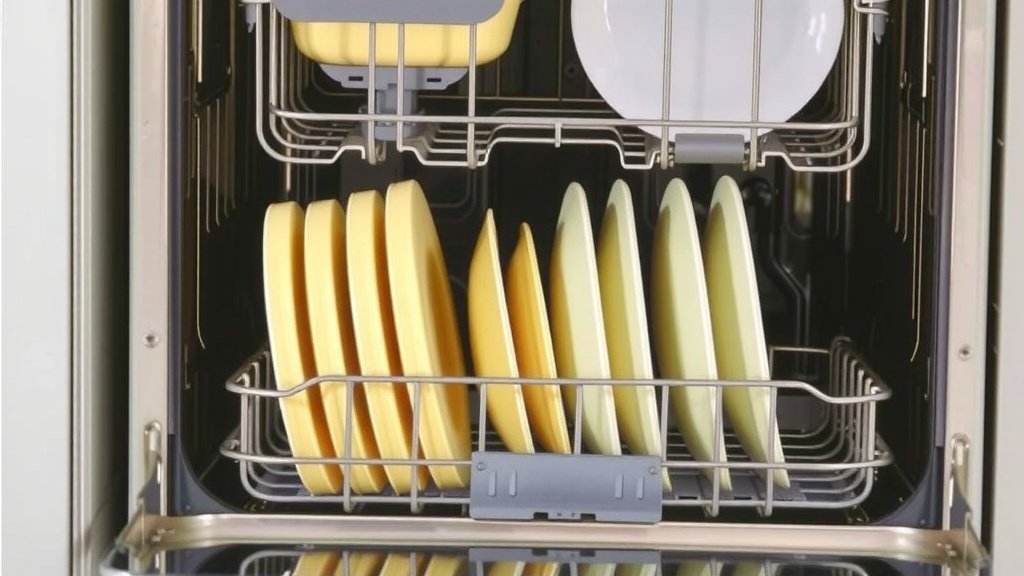
What if you can’t run a full load right away? The Rinse Only cycle is your solution. This setting simply rinses your dishes without any detergent. We found that it’s ideal for preventing food from drying and sticking onto your dishes if you plan to run a full wash cycle later. It’s a simple way to keep things fresh in the meantime.
Using Rinse Only can save you from scraping and scrubbing later. It’s also a good option if you’re worried about odors building up in the dishwasher between full loads. Many experts suggest that this cycle uses very little water and energy, making it an efficient choice for a quick rinse. It’s like a mini-rinse to prepare for the main event.
Beyond the Basics: Specialized Dishwasher Settings
Dishwashers today often come with even more specialized options to tailor your wash. We found that understanding these can further optimize your results and appliance care.
High-Temperature Wash
This setting uses hotter water than the normal cycle. It’s excellent for sanitizing dishes, especially those used for baby bottles or when someone in the household has been ill. Many public health guidelines suggest hotter water can kill more bacteria (CDC). It’s a step up from the normal wash for extra peace of mind.
Sanitize Cycle
Similar to a high-temperature wash, but often meets specific industry standards for killing germs. This cycle typically involves a final rinse with extremely hot water. We found that this is great for cutting boards, baby bottles, and anything you want to ensure is truly germ-free. It’s the most thorough option for hygiene.
Energy Saver / Eco Mode
Looking to reduce your utility bills? This setting typically uses less hot water and a longer drying time. The goal is to reduce energy consumption. We found that while it might take longer, it can lead to noticeable savings on your electricity and water bills over time. It’s a great choice for lightly soiled loads when time is not a factor.
Half Load / Zone Wash
If you don’t have a full dishwasher, this setting is for you. It uses less water and energy to clean just the top or bottom rack, or a specific zone. We found that this is perfect for smaller households or when you have a mix of items that require different cycles. It prevents you from having to run a full wash for just a few items.
A Quick Checklist for Choosing Your Cycle
Here’s a handy reminder to help you pick the right setting:
- Heavily soiled pots & pans? -> Use Heavy Duty.
- Everyday plates & glasses? -> Use Normal.
- Delicate china or crystal? -> Use China/Delicate.
- Need dishes fast? -> Use Quick/Express (for light soil only!).
- Food stuck on, can’t run full load? -> Use Rinse Only.
- Want extra germ-killing power? -> Use Sanitize.
Conclusion
You’ve now got a clear map to your dishwasher’s settings. No more guessing which button to press! By matching the cycle to your load, you’ll get cleaner dishes and a more efficient kitchen. Remember, the Heavy Duty cycle is for tough messes, Normal is your everyday hero, and China offers gentle care. Use Quick/Express for speed and Rinse Only to prevent build-up. Now, you can confidently select the right setting for every wash. Start washing smarter today and enjoy those sparkling results!
Frequently Asked Questions
Will using the Heavy Duty cycle damage my dishes?
Generally, no. The Heavy Duty cycle uses hotter water and stronger spray, which is effective for baked-on food. We found it’s safe for most durable pots, pans, and everyday plates. However, avoid it for delicate china or fine glassware, which could be damaged.
Can I use the Quick wash for heavily soiled items?
We researched this, and the Quick or Express cycle is best for lightly soiled dishes only. It’s designed for speed, not for tackling dried-on food or grease. For tough messes, you’ll need a longer, more intensive cycle like Heavy Duty.
How often should I use the Sanitize cycle?
You don’t need to use the Sanitize cycle for every load. It’s ideal for items where hygiene is critical, like baby bottles, cutting boards, or if someone in your household is unwell. For everyday dishes, the Normal cycle is usually sufficient.
What’s the difference between Rinse Only and running a full cycle?
Rinse Only simply sprays water to remove food particles without detergent. It prevents food from drying on dishes if you can’t run a full load immediately. A full cycle uses detergent and hot water for a thorough cleaning and sanitizing wash.
Is the Eco Mode really more energy-efficient?
Yes, our research suggests Eco Mode is designed to save energy and water. It typically uses lower temperatures and longer wash times. While it may take longer to clean your dishes, it can lead to savings on your utility bills over time.