
Why Is My Dishwasher Making a Grinding Noise? Causes and Fixes
Your dishwasher makes a grinding noise because something hard, like food scraps, glass, or a pit, is stuck in the chopper blade or spray arm. It can also mean the circulation pump or motor bearings are wearing out. Either way, your machine is telling you it needs a quick check.
Here’s the good news: most grinding sounds are easy fixes you can do yourself. We researched the most common causes and found that a stuck object or a worn pump accounts for nearly all of them. Some fixes take five minutes. Others might need a part replacement, but nothing that should scare you off.
- Stuck debris (seeds, glass, bones) is the number one cause of grinding sounds.
- A worn pump or motor bearing can also grind, especially in older dishwashers.
- Checking the filter and chopper area is a quick DIY fix that solves most cases.
- Loud grinding during the drain cycle often points to the drain pump instead.
- If the noise continues after cleaning, the pump may need replacing, which is still very fixable.
Below, we break down every cause of that grinding noise, how to find the exact culprit, and what you can do about it today. Let’s quiet things down.
What Causes That Grinding Sound in Your Dishwasher
The fastest way to fix the noise is to find where it’s coming from. Grinding almost always means two hard surfaces are touching something they shouldn’t. We found that the sound usually comes from one of three spots: the filter area, the spray arms, or the pump.
Think of it like a pebble in your shoe. The shoe still works, but every step reminds you something’s wrong. Your dishwasher does the same thing with every wash cycle.
How to Pinpoint the Noise
Before you grab any tools, listen carefully. When does the grinding happen? The timing tells you a lot.
- Start of the cycle: Likely debris near the filter or chopper blade.
- During washing: Probably something loose in a spray arm or a hard item bouncing around.
- End of the cycle: The drain pump is the likely suspect.
- All the time, worse with age: Worn motor or circulation pump bearings.
Many repair guides suggest running a short cycle and standing nearby with the door slightly cracked open. Just don’t open it mid-wash with hot water inside. Safety first, detective work second. If you need to interrupt a cycle to listen, our guide to how to pause a dishwasher safely walks you through it.
Checking the Filter and Chopper Area
Start here, because it’s the easiest and most common fix. Food debris, seeds, and broken glass love to hide at the bottom of the tub. We found that a simple filter cleaning solves a huge share of grinding complaints.
The chopper blade sits near the drain and chops up food scraps. If a olive pit or shard of glass wedges in there, you get that awful grinding sound every single cycle.
How to Clean It Step by Step
You’ll need a towel, a flashlight, and maybe a pair of tongs. That’s it. Most manufacturers design this area for easy access, so don’t worry about breaking anything.
Removing the Filter Safely
Twist the cylindrical filter at the bottom of the tub counterclockwise. It should lift right out. Rinse it under hot water and scrub gently with an old toothbrush.
Looking for Stuck Objects
Shine your flashlight into the sump area below the filter. Check around the chopper blade with tongs, never your fingers. If you see glass or a pit, pull it out and run a test cycle.
According to ENERGY STAR guidance, cleaning your filter regularly also improves cleaning performance and saves energy. So this chore pays you back twice.
Inspecting the Spray Arms
Spray arms spin fast and spray water through tiny holes. A popcorn kernel or toothpick stuck in a hole can throw off the balance and cause a rattling or grinding sound.
Pop the bottom arm off by unscrewing the cap in the center. Hold it up to the light. If you can’t see through the holes, clear them with a toothpick or a straightened paper clip.
While you’re at it, spin each arm by hand. It should turn freely. If it feels stiff or grinds, something’s jammed underneath it.
When the Drain Pump Is the Problem
If the grinding happens mostly at the end of the cycle, your drain pump is talking to you. This pump pushes dirty water out, and hard objects sometimes slip past the filter into its impeller.
Many experts say a noisy drain pump is often fixable. Small glass shards or seeds get wedged in the impeller blades, and removing them quiets things down.
Testing the Drain Pump
Run a rinse-only cycle and listen near the front bottom of the machine. If the grinding peaks when water drains, you’ve found your culprit. Unplug the dishwasher before doing anything else.
DIY Fix or Call a Pro?
Some pumps are accessible from inside the tub. Others require pulling the machine out and working from below. If you’re comfortable with basic tools, go for it. If not, a service call costs far less than a flooded kitchen floor.
Worn Motor or Circulation Pump Bearings
Is your dishwasher getting up there in years? Bearings wear out over time, just like the wheels on an old shopping cart. The result is a low, rumbling grinding noise that never quite goes away.
We found that this cause shows up most often in dishwashers older than eight years. Unlike debris, bearing wear won’t fix itself with a good cleaning.
Signs It’s Bearings and Not Debris
- The noise happens through the entire wash cycle, not just one part.
- Cleaning the filter and spray arms changed nothing.
- The sound gets slightly worse every month.
- Your machine is eight or more years old.
If most of these sound familiar, you’re likely looking at a bearing or pump replacement. Depending on your model, that repair can cost a good chunk of a new machine’s price. Many technicians suggest weighing repair costs against replacement when a dishwasher passes the eight-year mark.
Hard Items Bouncing Around the Tub
Sometimes the answer is embarrassingly simple. A knife fell through the rack. A bottle cap slipped down. A bone hid in a plate’s gravy leftovers. These items rattle and grind against the tub or racks.
Before assuming the worst, open the door and do a 60-second scan. Check the utensil basket, the bottom of the tub, and under the racks. You’d be surprised how often this is the whole story.
Quick Prevention Checklist
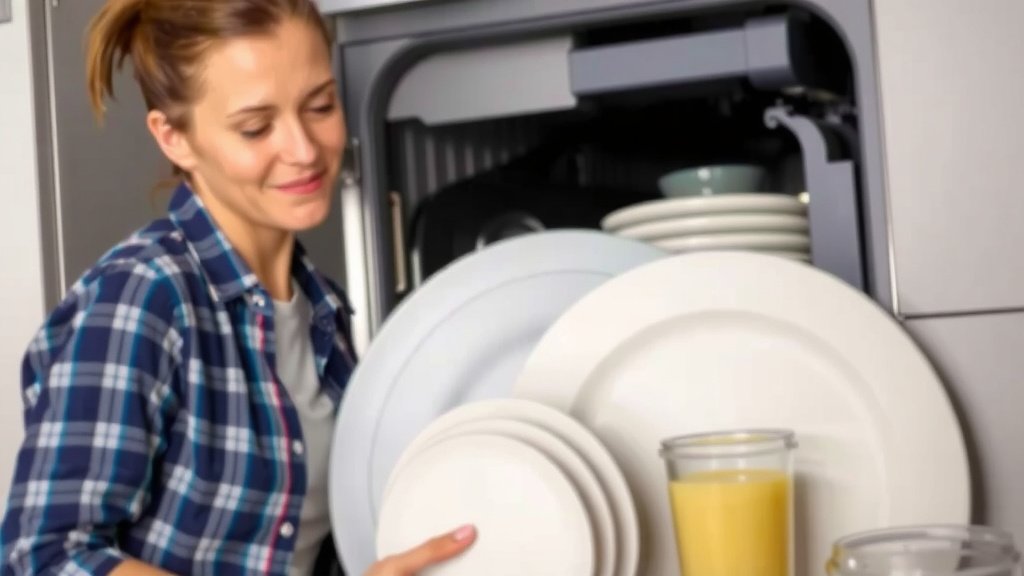
Want to stop the grinding before it starts? A few small habits go a long way. We put together this short list based on what works:
- Scrape plates before loading, especially seeds, bones, and pits.
- Rinse the filter once a month under hot water.
- Check spray arms every few weeks for clogged holes.
- Load sharp items point-down and secure in the basket.
- Keep glassware away from the rack edges where it can slip.
- Run a cleaning cycle with a dishwasher cleaner every couple of months.
DIY Repair Costs vs. Calling a Technician
Money talk time. Here’s a quick comparison so you know what you’re getting into. Prices vary by brand and region, but this gives you a realistic ballpark.
| Fix | Difficulty | Typical DIY Cost | Pro Repair Cost |
|---|---|---|---|
| Remove stuck debris | Very easy | $0 | $75–$150 |
| Clean filter and spray arms | Very easy | $0 | $75–$125 |
| Replace drain pump | Moderate | $25–$60 part | $150–$300 |
| Replace circulation pump/motor | Harder | $60–$150 part | $250–$450 |
See the pattern? The free fixes handle most cases. That’s why we always say check the simple stuff first.
Safety Tips Before You Start
Before you dive in, protect yourself. Water and electricity make an awkward couple, and broken glass hides in the strangest places.
- Unplug the dishwasher or flip the circuit breaker before any repair.
- Shut off the water supply valve if you’re removing pump parts.
- Wear gloves when feeling around for glass or metal shards.
- Lay down towels; leftover water always finds a way out.
- Take photos as you disassemble so reassembly is painless.
Many manufacturer manuals stress these same steps, and it’s worth following them. A five-minute job shouldn’t turn into a trip to the ER.
When to Replace the Dishwasher Instead
Sometimes the honest answer is that your machine has run its course. If the repair quote climbs past half the cost of a new unit, replacement usually makes more sense.
Also consider age. Dishwashers typically last about 10 years, according to many industry estimates. If yours is pushing that milestone and making bearing noises, a new model will likely run quieter, clean better, and use less water and energy. Federal efficiency data shows newer models use notably less energy per cycle than machines from a decade ago.
Whatever you decide, that grinding noise was your dishwasher doing you a favor. Machines whisper before they scream. Listen early, and you’ll usually save yourself money, stress, and a sink full of hand-washed dishes.
Conclusion
That grinding noise might sound scary, but we found it’s usually something small. A pit stuck near the chopper, a kernel lodged in a spray arm, or debris caught in the drain pump causes most cases. Start with the free stuff: clean the filter, clear the spray arms, and scan the tub for strays. If the sound runs through the whole cycle and your machine is pushing eight years old, you may be looking at worn bearings. Weigh the repair quote against a new unit before you commit. Your next step is simple: unplug the dishwasher, pull the filter, and take a look tonight. Five minutes might be all it takes to get your quiet kitchen back.
Frequently Asked Questions
Can I still use my dishwasher if it makes a grinding noise?
You can run one cycle to pinpoint when the noise happens, but we’d stop there. Grinding means hard parts are wearing against each other, and every cycle can turn a small fix into a bigger one. A loose seed today could crack a pump impeller next week.
Why does my dishwasher only grind at the end of the cycle?
That timing points straight to the drain pump. It kicks in when the wash is done, and debris that slipped past the filter often gets caught in its impeller. Pull the pump screen or impeller cover and check for glass, seeds, or pits wedged inside.
Will a grinding noise go away on its own?
Sometimes a small item will get chopped or flushed out, but don’t count on it. We found that debris usually stays wedged until you remove it. Worse, letting it sit can scratch the filter, chew up plastic parts, or kill the pump early.
Why is my brand new dishwasher making a grinding noise?
New machines often grind because of improper loading or a stray item that slipped through during the first washes. It can also be the soft food disposer breaking in, which quiets down after a few cycles. Check the manual first, since some models are simply louder during certain stages.
How often should I clean my dishwasher filter to prevent grinding?
We recommend once a month for a busy household, and every two to three months if you scrape plates well before loading. It takes about five minutes under hot water. This single habit prevents most grinding complaints and keeps your dishes coming out cleaner too.