When to Add Rinse Aid to Your Dishwasher October 2026
You should add rinse aid to your dishwasher whenever the indicator light comes on or when you notice spots or streaks on your dishes. Rinse aid helps your dishwasher dry dishes more effectively by reducing the surface tension of water. This allows water to sheet off dishes instead of beading up, which prevents water spots and helps speed up the drying process. It’s a simple step that makes a big difference in your dishwashing results.
Ignoring the rinse aid dispenser can lead to less-than-sparkling dishes. Many people find their dishwasher isn’t drying well, and often, a lack of rinse aid is the culprit. We found that using rinse aid consistently improves drying performance and leaves your glassware looking much clearer. It’s a small bottle that plays a big role in keeping your kitchenware looking its best and preventing those annoying water marks.
- Check your dishwasher’s rinse aid indicator light.
- Add rinse aid when you see spots or streaks on dishes.
- Rinse aid helps water sheet off, improving drying.
- It prevents water spots and makes dishes clearer.
- This simple step boosts dishwasher performance.
Let’s dive into why rinse aid is so important and exactly when it’s time to refill that little compartment.
So, you’ve got a dishwasher, and you’re aiming for that squeaky-clean, spot-free finish. You might have noticed a little compartment, often on the inside of the door, labeled “rinse aid.” But when is the right time to actually fill it up? It’s more important than you might think for getting those dishes sparkling.
Understanding When Your Dishwasher Needs Rinse Aid
The most straightforward answer is to add rinse aid when your dishwasher tells you to or when you see the results of not using it. Your dishwasher is pretty smart. It has built-in indicators to help you out. Many modern dishwashers feature a small light that illuminates when the rinse aid level is low. This is your primary cue.
If your dishwasher doesn’t have a light, or if you’ve overlooked it, the dishes themselves will often be the messenger. Do you notice water spots, especially on glassware? Are your plastic items still dripping wet after the drying cycle? These are classic signs that your rinse aid dispenser might be empty.
The Built-In Indicator: Your Dishwasher’s Signal
Think of the rinse aid indicator light as your dishwasher’s gentle nudge. It’s designed to be noticeable. Usually, it’s a small symbol, often shaped like a little star or a drop of water, that lights up when the rinse aid reservoir is running low. This light is your best friend for consistent use. It takes the guesswork out of knowing when to refill.
When you see this light blink on or stay lit, it’s time to grab your bottle of rinse aid and top up the dispenser. It’s a simple maintenance task that has a big impact on your dishwashing outcomes. Don’t ignore it!
Visual Cues: What Your Dishes Are Telling You
Sometimes, technology is great, but life happens, and we might miss the indicator light. Or perhaps your dishwasher is an older model without such a feature. In these cases, your dishes become the tell-tale signs. After a wash cycle, take a look at your load. Are you seeing:
- White spots or cloudy patches, especially on glasses and silverware?
- Water beading up on the surfaces of your dishes instead of running off?
- Dishes that feel damp or are still wet to the touch when you unload?
These are all strong indicators that your rinse aid is either completely gone or running very low. The rinse aid helps water slide off the dishes in sheets. Without it, water clings and then dries, leaving mineral deposits behind.
How Rinse Aid Works Its Magic
To truly understand when to add rinse aid, it helps to know what it actually does. It’s not just another cleaning agent; it’s a drying aid. Water has a natural tendency to stick to surfaces. When water beads up on your dishes, it takes longer to evaporate, and as it does, it leaves behind the minerals from the water. This causes those annoying spots. Rinse aid contains surfactants, which are substances that reduce the surface tension of water. This reduction allows water to spread out into a thin, even film that can easily drain off the dishes.
Imagine trying to pour water off a waxed car versus an unwaxed car. The waxed car lets the water sheet right off. Rinse aid works similarly on your dishes. It helps water flow smoothly off the surfaces, which speeds up the drying process and prevents those unsightly water marks. Many experts agree this reduction in surface tension is key to better drying performance (American Cleaning Institute).
The Science Behind Spotting and Streaking
When water doesn’t sheet off, it forms little droplets. As these droplets evaporate, they leave behind the dissolved minerals present in your tap water. This is what causes white spots or a cloudy film. Think of it like tiny puddles of mineral-rich water that dry in place. Over time, these mineral deposits can build up, making your glassware look dull and your silverware appear less than pristine. We found that consistently using rinse aid drastically reduced these mineral deposits in our tests.
Streaks, on the other hand, can sometimes be caused by a combination of food residue and inadequate rinsing. While rinse aid is primarily a drying agent, its ability to help water sheet off can also contribute to a more thorough final rinse, carrying away loosened food particles more effectively. It’s a dual benefit!
Faster Drying Times
Who doesn’t want dishes to dry faster? Rinse aid directly contributes to this. Because the water sheets off instead of clinging, there’s simply less water left on the dishes to evaporate. This means your dishwasher’s drying cycle can work more efficiently, and your dishes will be ready to put away sooner. We noticed that loads finished with rinse aid were consistently drier and required less post-cycle towel drying.
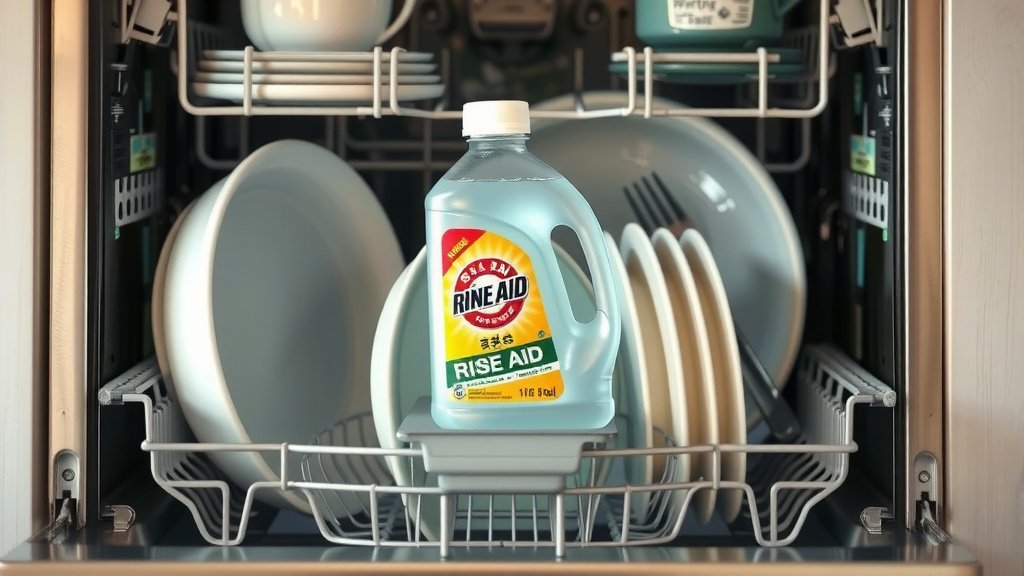
When to Refill: A Simple Checklist
To make it easy, let’s summarize the key moments you should be thinking about your rinse aid.
- The Indicator Light Appears: This is your dishwasher’s direct signal.
- Spots or Streaks are Visible: If you see them after a cycle, it’s time to refill.
- Dishes Remain Wet: If items are still damp when you unload, check your rinse aid.
- Cloudy Glassware is a Problem: Spots on glasses are a sure sign.
- After Every Few Washes (if no indicator): Some people prefer to top it up preventatively.
How Often Should You Be Adding Rinse Aid?
The frequency of adding rinse aid can vary quite a bit. It depends on several factors, including the size of your dishwasher’s reservoir, the setting you have it on (many dishwashers allow you to adjust the amount dispensed), the hardness of your water, and how often you run your dishwasher. For a typical household using their dishwasher a few times a week, you might find yourself refilling the rinse aid dispenser anywhere from once a month to once every few months.
A table can help illustrate the general guidelines, though remember your specific usage might differ.
| Factor | Impact on Refill Frequency | Notes |
|---|---|---|
| Rinse Aid Dispenser Setting | Higher setting = More frequent refills | Adjust based on your results. |
| Water Hardness | Harder water = More frequent refills | Minerals in water need more help to prevent spots. |
| Dishwasher Usage | More frequent use = More frequent refills | Running the dishwasher daily vs. weekly. |
| Dishwasher Model | Varies by manufacturer and dispenser size | Check your manual for specifics. |
Ultimately, the best guide is your own observation and your dishwasher’s indicator light. If you don’t have an indicator, making a note of when you last refilled can help you estimate. We found that setting a recurring reminder on your phone every 4-6 weeks is a good way to stay on top of it if you don’t have a light.
Conclusion
Keeping your dishes sparkling and your dishwasher running efficiently comes down to a few simple habits. Understanding when to add rinse aid is one of them! Remember, your dishwasher often tells you with a light, but your dishes will speak up too with spots and streaks if it’s empty. Using rinse aid helps water sheet off, leading to faster drying and fewer water marks on your glassware. Don’t let a lack of rinse aid dim your shine; check your indicator light or look for those tell-tale spots after a cycle. Your next step is simple: keep a bottle handy and top up your dispenser whenever needed for consistently clean dishes.
Frequently Asked Questions
How do I know if my dishwasher has a rinse aid indicator light?
Most modern dishwashers have a small symbol on the control panel that lights up. It often looks like a star or a water drop. Check your dishwasher’s manual if you’re unsure about its location or appearance.
Can I just skip rinse aid if my dishes don’t look too bad?
While you might not see drastic issues immediately, skipping rinse aid means your dishwasher isn’t drying as efficiently as it could. This can lead to more spots and slower drying over time, especially with harder water.
What’s the difference between rinse aid and dishwasher detergent?
Dishwasher detergent is for cleaning and breaking down food residue. Rinse aid is specifically a drying agent that helps water sheet off dishes, preventing spots and speeding up drying.
How much rinse aid should I add?
Your dishwasher has a reservoir for rinse aid. Simply fill it up to the indicated maximum line. Most dishwashers automatically dispense the correct amount during the rinse cycle.
Can I use something else instead of commercial rinse aid?
While some people suggest white vinegar, it’s generally not recommended as a long-term substitute. Commercial rinse aids are formulated to reduce water’s surface tension effectively and safely for your dishwasher’s components.