Dishwasher Smells Like Rotten Food? Here’s Why
A dishwasher that smells like rotten food is usually a sign of food debris buildup. This often happens in the filter or the spray arms. Clearing out these areas is the fastest way to fix the odor.
Lingering smells can also come from trapped grease and grime. Even with regular use, gunk can accumulate in hidden spots. Addressing these hidden buildup issues is key to keeping your dishwasher fresh.
- Food debris in the filter is a common culprit.
- Grease and grime can build up in hard-to-reach places.
- Regular cleaning prevents these unpleasant odors.
- Check spray arms for clogs too.
Let’s walk through exactly how to tackle that funky smell and get your dishwasher smelling clean again.
Is your dishwasher suddenly giving off a smell like something’s gone terribly wrong? That sour, rotten food odor can be quite alarming, especially when you rely on it to keep your dishes sparkling. You’re not alone in this; many homeowners encounter this unpleasant issue. The good news is that it’s usually quite fixable and doesn’t mean your appliance is beyond repair.
Tackling That Unpleasant Dishwasher Odor
When your dishwasher starts to smell like a science experiment gone wrong, it’s almost always a sign that something is stuck inside. This “something” is usually a combination of food particles, grease, and even soap scum. These things don’t just disappear; they can cling to various parts of your dishwasher. Let’s get right to the most common culprits and how to clear them out.
Where the Smelly Culprits Hide
Think of your dishwasher like a mini kitchen for food scraps. If the garbage disposal in your sink gets clogged, it starts to smell, right? Your dishwasher can have similar issues, just in different spots. We found that the filter is the number one place where these odors begin their life. But there are a few other less obvious spots that can trap gunk, too.
The Humble Filter: A Breeding Ground for Bad Smells
Your dishwasher’s filter is designed to catch food bits before they go down the drain. It’s a vital part of the cleaning process. However, if it’s not cleaned regularly, it becomes a perfect little buffet for bacteria. This bacteria feast is what creates that foul, rotting smell. Many experts recommend checking and cleaning your filter at least once a month, or more if you notice a smell.
Cleaning it is surprisingly easy. You’ll typically find the filter at the bottom of your dishwasher, near the spray arm. Most models have a removable filter assembly. You can usually twist or pull it out. Once it’s out, give it a good rinse under warm water. For tougher grime, use a soft brush (like an old toothbrush) and a little dish soap. Rinse thoroughly and put it back. It’s a simple step that makes a huge difference.
Clogged Spray Arms: The Unsung Heroes That Need a Clean
You know those spinning arms that spray water onto your dishes? Those are your spray arms. They have little holes, or nozzles, that can get clogged with food debris or mineral deposits. When these nozzles are blocked, water can’t spray out effectively. This means dishes might not get as clean, and worse, trapped food particles can start to decay and smell.
Checking your spray arms is simple. You can usually remove them by unscrewing a nut or by pulling them off. Inspect the holes for any blockages. If you see anything stuck, you can often clear it with a toothpick or a small pin. Some people find soaking the spray arms in vinegar can help loosen stubborn debris. After cleaning, reattach them securely. We found that this simple maintenance step often solves odor issues.
Beyond the Obvious: Other Areas to Investigate
Sometimes, the smell isn’t just from the filter or spray arms. Grease and soap scum can build up in places you don’t see during a normal wash cycle. These hidden areas can become stale and start to smell over time.
The Dishwasher Tub and Door Seal
The interior of your dishwasher tub, especially along the bottom and corners, can collect leftover food and grime. The rubber seal around the door is another spot that can trap food particles and moisture. This combination is a recipe for odor. Regularly wiping down the inside of the tub and the door seal with a damp cloth can help prevent this buildup.
For a deeper clean, you can use a mild cleaner or a paste made of baking soda and water. Gently scrub any visible grime. Pay close attention to the bottom of the door where gunk tends to accumulate. We found that keeping these areas clear reduces the chance of odors developing.
The Drain Hose and Garbage Disposal Connection
If your dishwasher drains into your sink’s garbage disposal, there’s a connection point that can sometimes cause problems. Food particles can back up into the dishwasher’s drain hose or the disposal itself can harbor odors that travel back. Running hot water and a bit of cleaner through your garbage disposal regularly can help prevent this. Many plumbing experts suggest this as a good preventative measure.
Deep Cleaning Your Dishwasher for a Fresh Start
Once you’ve addressed the immediate spots like the filter and spray arms, a thorough cleaning can get rid of any lingering smells. This isn’t just about making it smell good; it’s about keeping your appliance running efficiently. Experts often suggest a deep clean every few months.
The Vinegar and Baking Soda Power Duo
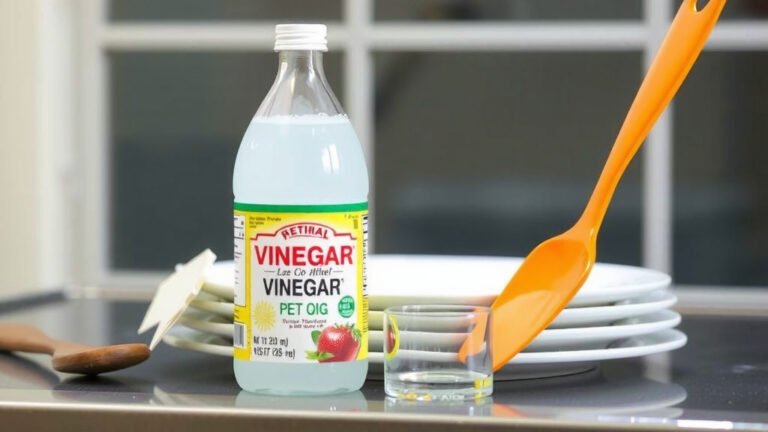
Vinegar and baking soda are like the dynamic duo of natural cleaning. They work wonders on dishwasher odors. You can use them in a two-step process. First, place a cup of white vinegar in a dishwasher-safe bowl on the top rack. Run a hot water cycle. The vinegar helps to break down grease and grime.
After the vinegar cycle is done, sprinkle a cup of baking soda on the bottom of your empty dishwasher. Run another hot water cycle. Baking soda is great for deodorizing and tackling any remaining residue. This combination is highly recommended by many cleaning guides and works effectively without harsh chemicals. We found this method to be very successful for eliminating tough odors.
Using Specialized Dishwasher Cleaners
If you prefer a more direct approach, there are commercial dishwasher cleaners available. These products are formulated to tackle grease, limescale, and food debris. Follow the instructions on the product packaging carefully. Typically, you’ll place the cleaner in the dishwasher and run a hot cycle. These cleaners can be very effective for a deep clean and odor removal.
We found that using a dedicated cleaner can sometimes be more powerful for heavily soiled machines. It’s a good option if the vinegar and baking soda method doesn’t fully resolve the issue. Always ensure the cleaner is safe for your specific dishwasher model. Check your appliance manual if you’re unsure.
Preventing Future Dishwasher Odors: Your Simple Checklist
The best way to deal with a smelly dishwasher is to prevent the smell from happening in the first place. A few simple habits can keep your appliance smelling fresh all year round.
- Scrape dishes well: Remove large food particles before loading.
- Clean the filter regularly: Aim for at least once a month.
- Wipe door seals: Keep them free of food debris.
- Run hot cycles: Use hot water settings often to help break down grease.
- Consider a monthly deep clean: Use vinegar or a cleaner.
- Check spray arms: Make sure they aren’t clogged.
Conclusion
That rotten food smell in your dishwasher doesn’t have to be a lingering problem. You’ve learned that the usual culprits are simple to fix: a dirty filter or clogged spray arms. Don’t forget to check the tub and door seals for hidden grime. A regular cleaning routine, using easy methods like vinegar and baking soda, is your best defense against these odors.
By incorporating these quick checks and cleaning habits into your routine, you’ll keep your dishwasher smelling fresh. Ready to tackle that smell? Start by checking your filter today!
Frequently Asked Questions
How often should I clean my dishwasher filter?
We recommend cleaning your dishwasher filter at least once a month. If you notice a persistent smell or run your dishwasher very frequently, it’s a good idea to check it even more often. A clean filter is key to preventing those unpleasant odors.
Can a smelly dishwasher affect my dishes?
Yes, absolutely. A smelly dishwasher can transfer that unpleasant odor and bacteria to your dishes. This means your dishes might not come out as clean or fresh-smelling as you’d expect. Regular cleaning ensures both your appliance and your dishes stay hygienic.
Is it safe to use harsh chemicals to clean a smelly dishwasher?
While commercial cleaners are available, we found that natural methods like vinegar and baking soda are often very effective and safer for your appliance. If you do use a commercial cleaner, be sure to follow the product instructions carefully and ensure it’s suitable for your dishwasher model.
Why does my dishwasher smell like rotten eggs?
A rotten egg smell, or a sulfurous odor, can sometimes indicate a buildup of food particles that have started to decompose. It could also be related to the dishwasher’s drain system or even issues with your home’s plumbing, especially if it drains into a garbage disposal. Cleaning the filter and running a hot cycle with vinegar can often help. A rotten egg smell can indicate decomposing food particles or drain issues.
What if cleaning the filter doesn’t stop the smell?
If cleaning the filter doesn’t resolve the odor, the problem might be with the spray arms, the tub itself, or the door seal. A deeper clean using the vinegar and baking soda method, or a commercial dishwasher cleaner, might be necessary. We also suggest checking the drain hose and connection to your garbage disposal.