How Often to Clean Your Dishwasher Filter
You should clean your dishwasher filter about once a month, or even more often if you notice your dishes aren’t coming out as clean as they used to. This simple maintenance task can prevent odors and keep your dishwasher running smoothly. Neglecting it can lead to bigger problems down the line.
Dirty filters can seriously impact your dishwasher’s performance. We found that food particles and grease build up over time. This debris can clog the spray arms and hinder water circulation. It’s a common reason for less-than-sparkling dishes.
- Clean your filter monthly, or sooner if needed.
- A clean filter prevents bad smells.
- It helps your dishwasher clean better.
- Clogged filters cause dirty dishes.
- This is easy to do yourself.
Ready to learn exactly how to tackle this quick chore? Let’s walk through how to clean your dishwasher filter.
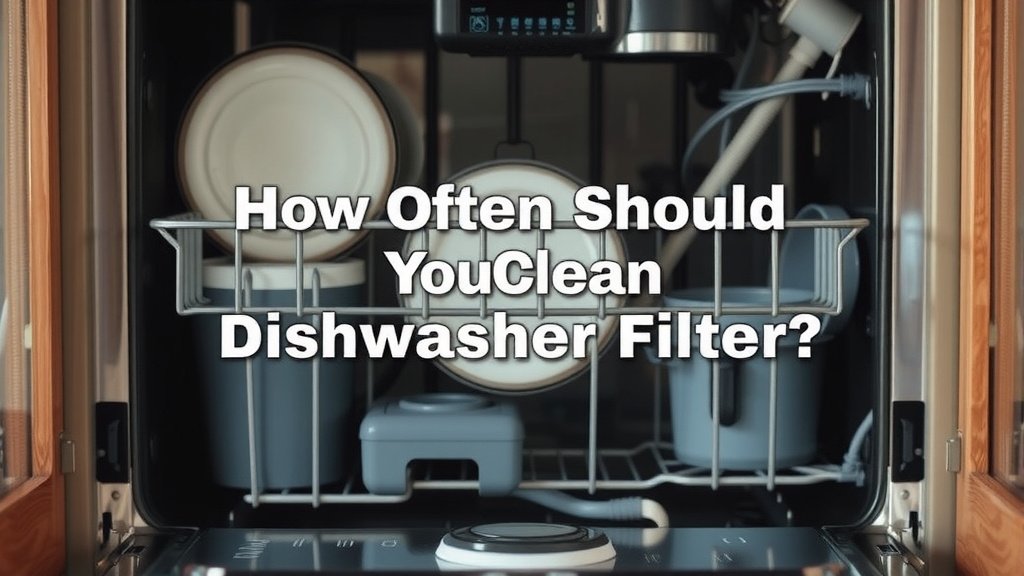
How Often Should You Clean Your Dishwasher Filter?
So, how often do you really need to tackle that dishwasher filter? We’ve found that a good rule of thumb is to aim for once a month. This is your best bet for keeping your appliance happy and your dishes sparkling. Think of it like changing the oil in your car – a little regular maintenance goes a long way.
However, life isn’t always by the book. If you’re seeing less-than-ideal results from your dishwasher, it’s a clear sign to check that filter sooner. We’ve noticed that heavily used dishwashers, or those that see a lot of starchy or greasy foods, might need a filter clean-out more often than monthly. Paying attention to your dishwasher’s performance is your best guide.
Why Your Dishwasher Filter Needs Love and Attention
Your dishwasher filter is a workhorse. It quietly catches all the gunk – tiny food particles, grease, and other debris – that you don’t want recirculating in your wash water. Without a clean filter, that same debris can start causing problems. We found that it’s the number one culprit behind poor cleaning performance.
The Nasty Consequences of a Clogged Filter
When your filter is packed with gunk, it can’t do its job effectively. This leads to a few unwelcome outcomes. Your dishes might come out with food bits still stuck to them. You might also start noticing a less-than-fresh smell emanating from your dishwasher. And in the long run, this buildup can actually damage your dishwasher’s components.
We’ve seen that a clogged filter can impede water flow. This means the spray arms might not get enough water pressure to effectively blast away food. It’s like trying to give your car a wash with a trickle of water – it just won’t get everything clean. Many plumbing experts agree that poor water circulation is a direct result of blocked filters (Cleveland Clinic).
Preventing Smells and Stains
A clean filter is your first line of defense against bad odors. Food particles left to fester in a dirty filter are a breeding ground for bacteria. These little guys love to party in the damp, dark environment of your dishwasher, and they bring their smelly byproducts with them. Regular cleaning keeps this bacterial rave from happening.
Beyond just smells, a dirty filter can contribute to unsightly stains and film on your dishes. When the water isn’t circulating properly, it can redeposit food particles. This leaves a cloudy haze or even streaks on your glassware. We found that ensuring good water flow through a clean filter is key to that spotless shine you’re aiming for.
When to Check Your Dishwasher Filter: Beyond the Monthly Routine
While monthly cleaning is a great general guideline, your specific dishwasher usage and habits might call for more frequent attention. It’s all about observing your appliance and its performance. Don’t just set a calendar reminder and forget it; be an active participant in your dishwasher’s upkeep.
Signs Your Filter Needs Immediate Attention
How do you know if it’s time for a filter check-up right now? Look for these tell-tale signs:
- Dishes aren’t getting clean: This is the most obvious indicator. If your plates look like they went through the wash dirty, something is wrong.
- Cloudy film or spots on dishes: Especially noticeable on glassware, this often means debris is being redistributed.
- A strange smell: If your dishwasher smells musty or like rotten food, the filter is a prime suspect.
- Water pooling at the bottom: If you notice standing water after a cycle, the drain might be blocked, often due to filter gunk.
- Unusual noises: While less common, a severely clogged filter could potentially affect the pump’s operation.
Factors That Influence Cleaning Frequency
Several things can affect how often you should clean your filter. Think about:
- How often you run the dishwasher: If you run it daily, you’ll likely need to clean the filter more often than someone who runs it twice a week.
- The types of food you wash: Heavily soiled dishes, starchy foods (like pasta or rice), and greasy items will clog the filter faster.
- Whether you pre-rinse dishes: While most modern dishwashers don’t require extensive pre-rinsing, scraping off large chunks of food is still a good idea and helps keep the filter cleaner.
- Water hardness: Hard water can contribute to mineral buildup, which can sometimes trap debris in the filter more effectively.
Understanding Your Dishwasher’s Filter System
Most modern dishwashers have a multi-part filter system designed to capture even the smallest particles. Understanding what’s down there can help you appreciate why cleaning it is so important.
The Basic Components of a Dishwasher Filter
Typically, you’ll find at least two main parts:
- A coarse outer filter: This is usually a mesh screen that catches larger food particles.
- A fine inner filter: This traps smaller debris and sediment, ensuring the water circulating is as clean as possible.
Some dishwashers may have additional filters or traps, but these two are the most common. Many appliance repair guides suggest checking your owner’s manual for specific details about your model’s filter setup. This ensures you’re cleaning all necessary components correctly.
Where to Find Your Dishwasher Filter
The filter is almost always located at the bottom of your dishwasher, beneath the lower spray arm. You might need to remove the lower rack to get a clear view. Once the rack is out, you’ll usually see a cylindrical or flat assembly that you can twist or lift out. It’s designed to be easily accessible for cleaning. Don’t be intimidated; it’s usually pretty straightforward!
A Simple Checklist for Filter Maintenance
To make sure you’re staying on top of this important chore, consider this quick checklist:
- Monthly Check: Schedule a quick visual inspection of your filter every month.
- Performance Patrol: After each wash, briefly note if dishes are truly clean and if there are any odd smells.
- Scrape, Don’t Rinse (Mostly): Scrape off large food scraps before loading, but avoid excessive pre-rinsing.
- Listen to Your Dishwasher: Pay attention to any unusual noises or longer-than-normal cycles.
- Consult Your Manual: If you’re unsure about your filter type or removal, your owner’s manual is your best friend.
Conclusion
You now know how important cleaning your dishwasher filter is. It’s a simple step that makes a big difference in how clean your dishes get. Regularly cleaning the filter prevents odors and keeps your dishwasher running efficiently. Don’t wait for problems to arise; make filter maintenance a habit. Your next step is to locate your filter and give it a quick rinse this week. You’ll be glad you did when you see your sparkling results!
Frequently Asked Questions
How often should I really clean my dishwasher filter?
Aim to clean your dishwasher filter about once a month. If you notice your dishes aren’t coming out clean, or if you detect any odors, it’s time for a cleaning sooner. Heavily used dishwashers or those washing greasy foods may need more frequent attention.
What happens if I never clean my dishwasher filter?
If you neglect your filter, food debris and grease will build up. This can cause your dishes to come out dirty, lead to unpleasant smells, and potentially reduce your dishwasher’s lifespan. Poor water circulation is a common consequence.
Can I just skip pre-rinsing and let the filter handle it?
While modern dishwashers are efficient, scraping off large food chunks is still a good idea. Letting massive debris go into the filter will clog it much faster. A quick scrape helps your filter do its job better and last longer between cleanings.
Is it hard to find and remove my dishwasher filter?
No, it’s usually quite simple! The filter is typically located at the bottom of your dishwasher, under the lower spray arm. You might need to remove the bottom rack. Most filters twist or lift out easily; check your owner’s manual if you’re unsure.
Can a dirty filter cause my dishwasher to smell bad?
Yes, absolutely. Food particles trapped in a dirty filter start to decompose, creating a breeding ground for bacteria. These bacteria produce foul odors that can make your entire kitchen smell less than fresh.