Dishwasher Fire Risk: What You Need to Know
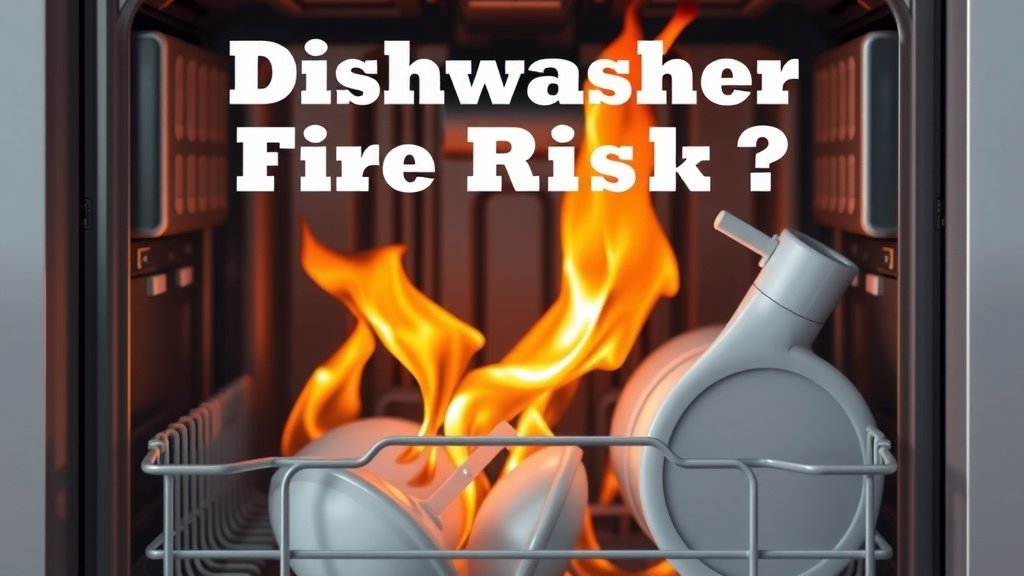
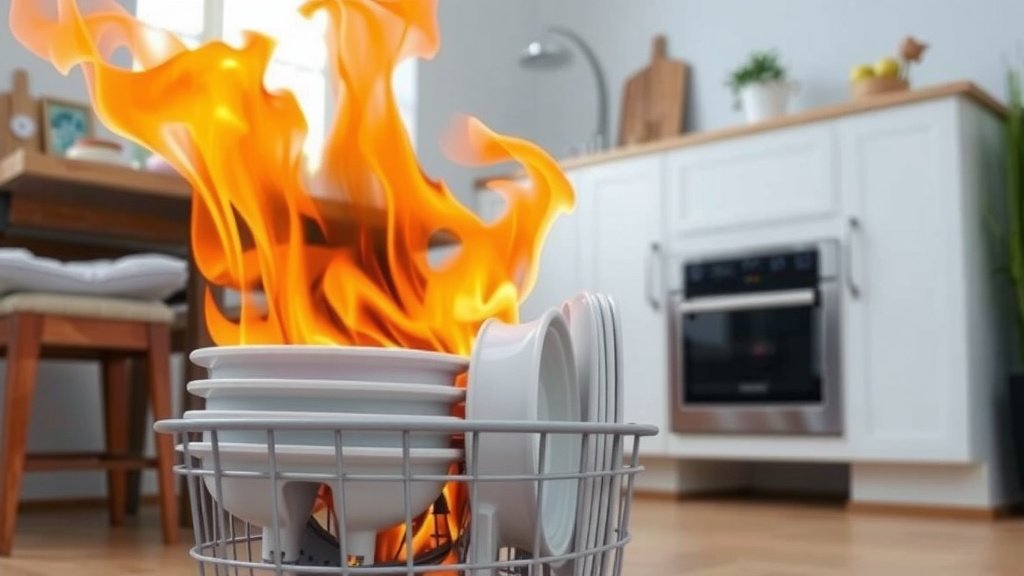
Yes, your dishwasher can potentially cause a fire, though it’s quite rare. Most fires are linked to electrical issues or improper installation, not the dishwasher itself malfunctioning in a way that sparks flames. It’s essential to understand the risks and how to prevent them.
While modern dishwashers have safety features, faulty wiring, clogged filters, or even overheating elements can become fire hazards. Regular maintenance and a keen eye for warning signs are your best defense against a potential kitchen fire. We’ll walk you through what to look out for.
- Dishwashers can cause fires, but it’s uncommon.
- Electrical problems are the most frequent cause.
- Improper installation is another risk factor.
- Regular maintenance can help prevent fires.
- Watch for warning signs like strange smells or sounds.
Let’s dive into the specific reasons why a dishwasher might pose a fire risk and what you can do to keep your home safe.
Understanding Your Dishwasher’s Fire Risk Potential
It’s a valid concern: can a dishwasher actually start a fire in your home? The short answer is yes, but it’s a scenario that is relatively rare. Think of it like a car – they are designed to be safe, but sometimes things go wrong. Most of the time, a dishwasher fire is linked to issues outside the machine’s basic function. We’re talking about how it’s hooked up and its electrical life. Let’s break down the common culprits so you can be prepared.
Electrical Faults: The Most Common Culprit
When a dishwasher sparks a fire, the electrical system is often the first place experts look. Like any appliance plugged into your wall, a dishwasher relies on wires to bring it power. If these wires are damaged, old, or improperly connected, they can overheat. This overheating can melt insulation and ignite nearby materials. It’s like a tiny electrical storm brewing inside your appliance. Many modern dishwashers have built-in safeguards, but these can fail.
Wiring Issues Inside the Dishwasher
Sometimes, the problem starts within the dishwasher itself. Over time, wires can fray or become loose due to vibrations. If a wire touches another component it shouldn’t, it can create a short circuit. This surge of electricity can generate enough heat to start a fire. This is why it’s important to have a qualified technician handle any internal repairs. They know how to keep those wires safely tucked away.
Problems with the Power Cord and Outlet
Don’t forget the connection to your home’s electricity! A damaged power cord is a significant fire hazard. Look for any signs of wear, like nicks or exposed wires. Similarly, the wall outlet itself can be a problem. If it’s old, loose, or has damaged wiring, it might not handle the dishwasher’s power draw. Many guidelines suggest checking these connections regularly (Consumer Product Safety Commission).
Overloaded Circuits and Extension Cords
Dishwashers draw a good amount of power. Plugging other high-wattage appliances into the same circuit can overload it. This can cause the circuit breaker to trip or, in worse cases, the wiring to overheat. And please, never use an extension cord for your dishwasher. They are not designed to handle that kind of sustained power and can easily overheat.
Installation and Maintenance: Preventing Potential Fires
How your dishwasher is installed and how you care for it play a huge role in safety. A professional installation is key. They ensure all connections are secure and that the appliance is properly grounded. Regular cleaning and checks can catch small issues before they become big problems.
The Importance of Professional Installation
When you get a new dishwasher, resist the urge to plug it in yourself unless you’re very experienced. A licensed plumber or electrician will ensure the water lines, drain lines, and electrical connections are all done correctly. Improper installation can lead to leaks that damage electrical components or connections that are simply not safe. It’s an upfront investment that pays off in peace of mind.
Regular Cleaning and Filter Checks
Think of your dishwasher’s filter like a catcher’s mitt for food debris. If it gets clogged, water can’t drain properly. This can lead to moisture buildup in areas where it shouldn’t be, potentially affecting electrical parts. Many manufacturers recommend cleaning the filter monthly. Consult your dishwasher’s manual for specific instructions on how to remove and clean yours.
Recognizing Warning Signs of Trouble
Your dishwasher might give you clues that something is wrong. It’s important to be aware of these warning signs. If you notice any of these, it’s time to investigate further or call a professional.
- Strange smells, especially burning plastic or electrical odors.
- Unusual noises, like buzzing or crackling, during operation.
- The dishwasher tripping your circuit breaker frequently.
- Discolored or melted parts around the machine or outlet.
- Water leaks that seem to be near electrical components.
Other Less Common Fire Hazards
While electrical issues are primary, other factors can contribute to a fire risk. These are often related to how the machine operates or what’s put inside it.
Overheating Heating Elements
Dishwashers use a heating element to dry dishes. In rare cases, this element can malfunction and overheat. If it gets too hot, it could potentially ignite any stray debris or residue that has accumulated around it. Most modern dishwashers have thermostats that regulate the temperature, but like any part, they can fail.
Blocked Vents and Moisture Buildup
Proper ventilation is important for appliances. If the vents on your dishwasher are blocked by debris or other items, it can cause the machine to overheat. This trapped heat and moisture can create an unsafe environment over time. Ensure there’s clear space around your dishwasher. We found that many homeowners forget about these simple ventilation needs.
Improper Use and Overloading
Believe it or not, how you load your dishwasher and what you wash can play a small role. Putting items that aren’t dishwasher-safe inside could cause them to warp or melt, potentially interfering with moving parts or heating elements. Overloading the machine too tightly can also impede water circulation and drying, contributing to strain on the appliance.
A Quick Checklist for Dishwasher Safety
Let’s make sure you’re covering the basics. Here’s a quick checklist to help you maintain a safe kitchen:
- Have your dishwasher professionally installed.
- Inspect the power cord for damage regularly.
- Never use an extension cord with your dishwasher.
- Clean the dishwasher filter at least once a month.
- Be aware of any unusual smells or sounds.
- Ensure the area around the dishwasher is clear for ventilation.
Conclusion
While the idea of your dishwasher starting a fire might seem alarming, remember that it’s a rare event. The primary risks stem from electrical issues and improper installation, not typical dishwasher operation. By understanding these potential hazards and taking preventative steps, you can greatly reduce the chances of an incident. Regularly inspecting your appliance, keeping it clean, and ensuring professional installation are your best defenses. Stay vigilant for warning signs and you’ll help keep your kitchen safe and your mind at ease.
Frequently Asked Questions
How often should I check my dishwasher’s power cord?
You should visually inspect your dishwasher’s power cord for any signs of damage, such as nicks, cuts, or exposed wires, at least every few months. If you notice any wear or tear, it’s best to have it replaced by a qualified professional immediately to prevent electrical hazards.
Can using a dishwasher detergent pod cause a fire?
No, dishwasher detergent pods themselves do not cause fires. The risk associated with detergents usually involves improper storage or accidental mixing with other chemicals, which could create hazardous fumes. The fire risk with dishwashers is almost always related to electrical or mechanical malfunctions.
What should I do if my dishwasher starts making strange buzzing noises?
If your dishwasher begins making unusual buzzing or crackling sounds, this is a serious warning sign. You should immediately stop the dishwasher and unplug it from the wall outlet. It’s best to call a qualified appliance repair technician to diagnose and fix the issue before using it again.
Is it safe to run my dishwasher overnight while I sleep?
Many people run their dishwashers overnight without issues, but it’s wise to be aware of the appliance’s condition. Ensure it’s properly installed, has no electrical warning signs, and that the area around it is clear. If your dishwasher is older or you have concerns, running it while you’re awake is the safest option.
How does a clogged filter contribute to a fire risk?
A clogged filter prevents proper water drainage, leading to excess moisture buildup within the dishwasher. This moisture can potentially seep into electrical components over time, increasing the risk of short circuits or corrosion that could, in rare cases, lead to overheating and a fire hazard.