Dishwasher Smells Like Eggs: Common Causes Explained
That unmistakable rotten egg smell coming from your dishwasher is usually a sign of sulfur gas buildup. This happens when certain types of bacteria feed on food particles left behind in the machine. Don’t worry, it’s a common issue and usually quite fixable!
This odor isn’t just unpleasant; it can mean your dishwasher isn’t cleaning as effectively as it should be. We’ve found that neglecting a few key areas can lead to this smelly situation. Addressing it promptly ensures your dishes come out truly clean and your kitchen stays fresh. Many experts point to simple cleaning habits as the main solution.
- Sulfur gas from bacteria is the usual culprit.
- Food particles are the food source for these bacteria.
- Regular cleaning prevents this smell.
- Fixing it often involves a simple deep clean.
Let’s walk through exactly why this happens and how you can get your dishwasher smelling fresh again.
What’s That Eggy Smell In Your Dishwasher?
That strong, unpleasant odor, often compared to rotten eggs, means something is brewing in your dishwasher. You’re likely dealing with a buildup of sulfur gas. This gas is a byproduct of bacteria feasting on leftover food particles. Don’t panic; this is a common kitchen problem. We found that many homeowners experience this at some point.
The Culprits Behind the Stench
So, what exactly is happening in there? It’s a perfect storm of sorts. Food debris, grease, and even bits of soap can accumulate. This provides a buffet for specific types of bacteria. These bacteria thrive in moist, dark environments like your dishwasher. As they break down the food, they release gases. Sulfur compounds are among these released gases. Many experts point to these bacterial colonies as the primary source of the egg-like smell.
Bacteria’s Favorite Foods
Your dishwasher is a mini ecosystem. Certain food scraps are particularly attractive to these odor-causing microbes. Think about starchy residues from pasta or rice. Greasy particles from meats and sauces are also prime real estate for bacteria. Even small bits of vegetables can contribute. When these aren’t properly rinsed away before or during the wash cycle, they become fuel for the smell-producing bacteria.
The Role of Water Hardness
Did you know hard water can play a role? Water that is high in minerals can leave a film. This film can coat your dishes and the interior of your dishwasher. It can also trap food particles. This makes it harder for your dishwasher to clean effectively. Over time, this trapped debris can become a breeding ground for bacteria. We found research suggesting this film can hinder detergent action.
Signs Your Dishwasher Needs a Deep Clean
Besides the obvious eggy smell, are there other clues? You might notice your dishes aren’t coming out as clean as they used to. Perhaps there are streaks or a cloudy film left behind. You could also see food particles clinging to the dishes or the dishwasher racks. These are all indicators that your machine needs a thorough cleaning. Ignoring these signs can lead to bigger issues down the line.
The Smell Isn’t Just Unpleasant
This odor isn’t just a minor annoyance. It can signal that your dishwasher isn’t performing optimally. Ineffective cleaning means your dishes might not be as sanitary as you think. While the bacteria producing the smell are generally not harmful in small numbers, a heavily contaminated environment isn’t ideal. Many health organizations recommend regular cleaning of kitchen appliances (CDC).
How to Banish the Egg Smell for Good
The good news is, you can tackle this problem yourself. It usually involves a good deep clean of the appliance. You’ll want to focus on a few key areas. Let’s break down the process step-by-step.
Step 1: Empty and Inspect
First, make sure your dishwasher is completely empty. Remove all dishes, racks, and even the silverware basket. Take a good look inside. Are there any obvious large food particles stuck anywhere? Pay close attention to the bottom of the tub and the door seals. Sometimes, you can spot the culprits right away.
Step 2: Clean the Filter
Most dishwashers have a filter designed to catch food debris. This is often located at the bottom of the dishwasher tub. Consult your owner’s manual if you’re unsure where it is or how to remove it. Once removed, rinse it thoroughly under hot running water. Use a soft brush to gently scrub away any stubborn gunk. A clogged filter is a prime suspect for harboring bacteria and causing odors. Many repair technicians stress the importance of a clean filter.
Step 3: Wipe Down the Interior
Using a damp cloth or sponge, wipe down the inside surfaces of your dishwasher. Don’t forget the door, the edges, and the spray arms. If you encounter any tough residue, you can use a little mild dish soap or a vinegar solution. Make sure to rinse thoroughly afterward. You’ll want to make sure there are no lingering cleaning agents.
Step 4: Tackle the Spray Arms
The spray arms are responsible for circulating water. They have small holes that can become clogged with mineral deposits or food particles. Check these holes. If they appear blocked, you can use a toothpick or a small needle to gently clear them. Some spray arms can be removed for easier cleaning. Running them under hot water can help dislodge debris.
Deep Cleaning Methods to Freshen Up Your Machine
Once you’ve done the initial manual clean, it’s time for a more powerful approach. There are a couple of highly effective methods to deep clean your dishwasher and eliminate odors.
The Vinegar Wash
White vinegar is a fantastic natural deodorizer and disinfectant. Place a dishwasher-safe bowl or cup filled with about one cup of white vinegar on the top rack of your empty dishwasher. Run a full, hot water cycle. The vinegar will help break down grease and mineral deposits. It also works to kill odor-causing bacteria. We found this method consistently effective for many users.
The Baking Soda Treatment
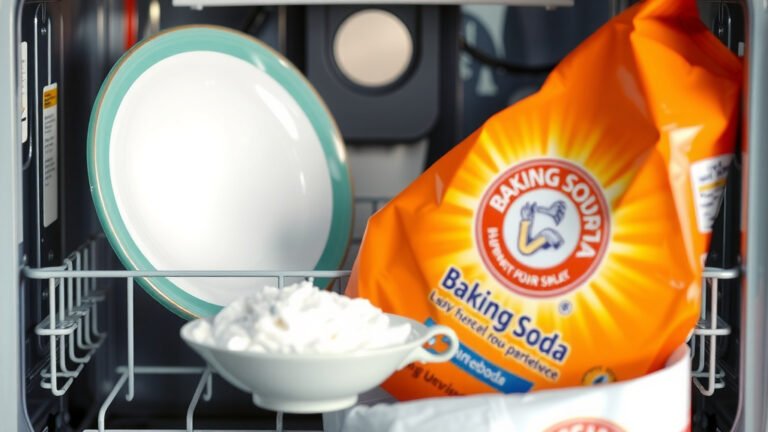
For an extra boost, after the vinegar cycle, sprinkle about one cup of baking soda across the bottom of your dishwasher. Run a short, hot water cycle. Baking soda is another excellent deodorizer. It can absorb lingering smells and leave your dishwasher smelling fresh. It also helps to scrub away any remaining residue. Some sources suggest this one-two punch of vinegar and baking soda is very potent.
Commercial Dishwasher Cleaners
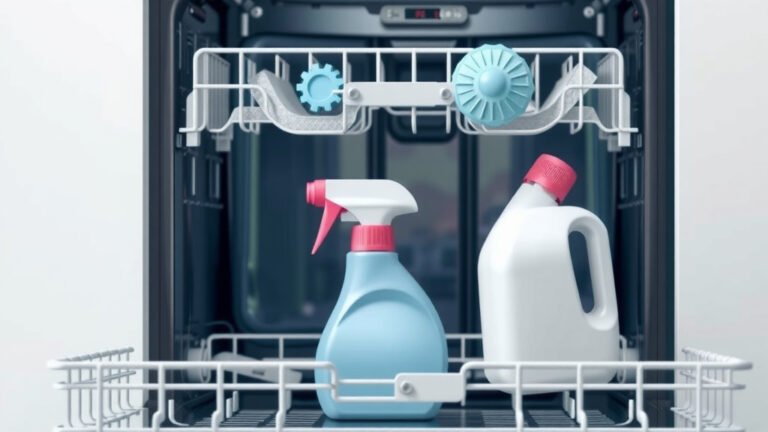
You can also find specialized dishwasher cleaning products at most home stores. These are formulated to tackle grease, grime, and odors. Follow the package instructions carefully. Many of these cleaners are designed to be run on an empty hot cycle. They can be a convenient option if you prefer a dedicated product.
Preventing the Eggy Smell from Returning
Once your dishwasher is smelling fresh, you’ll want to keep it that way. Prevention is key. Making a few small changes to your routine can make a big difference.
Scrape, Don’t Rinse (Mostly!)
Modern dishwashers are designed to handle food scraps. You don’t need to pre-rinse your dishes thoroughly. However, you should scrape off large chunks of food. This prevents them from clogging the filter and drain. Think large bones, large pieces of food, or excessive amounts of sticky residue. Gentle scraping is usually enough.
Run Your Dishwasher Regularly
Don’t let dirty dishes sit in the dishwasher for days. This gives food particles more time to dry and adhere to surfaces. It also allows bacteria to multiply. Try to run your dishwasher when it’s full. This ensures efficient use of water and energy. Many experts recommend running it at least once every two days.
Use the Right Detergent and Rinse Aid
Always use a detergent specifically designed for automatic dishwashers. Ensure you’re using the correct amount. Too much detergent can leave residue, while too little won’t clean effectively. A rinse aid can also be beneficial. It helps water sheet off dishes, improving drying and reducing water spots, which can contribute to grime buildup.
Check Your Water Temperature
Hot water is crucial for effectively cleaning dishes and sanitizing your dishwasher. Ensure your home’s hot water heater is set to an appropriate temperature, usually around 120°F (49°C). Many dishwasher cycles include a booster heater, but starting with hot water helps. Many manufacturers recommend this temperature range (Energy Star).
Quick Checklist for a Fresh Dishwasher
Here’s a quick rundown to keep your dishwasher smelling its best:
- Scrape large food debris from dishes before loading.
- Clean the dishwasher filter regularly (monthly is a good goal).
- Run a vinegar or baking soda cleaning cycle monthly.
- Wipe down door seals and interior surfaces periodically.
- Run your dishwasher when it’s full, at least every couple of days.
Conclusion
Dealing with that eggy smell in your dishwasher is a common hiccup, but thankfully, it’s usually quite manageable. We’ve learned that this odor stems from bacteria feasting on food debris in a damp environment. By regularly cleaning your dishwasher’s filter, interior, and spray arms, and incorporating deep cleaning methods like a vinegar or baking soda wash, you can banish the smell.
Making small adjustments to your routine, like scraping dishes instead of rinsing and running your dishwasher regularly, will keep it smelling fresh. Your next step is to grab a sponge and tackle that filter – it’s the quickest win for a cleaner-smelling kitchen!
Frequently Asked Questions
How often should I clean my dishwasher filter?
You should aim to clean your dishwasher filter about once a month. This simple task is one of the most effective ways to prevent the buildup of food particles that bacteria thrive on. Checking it more often if you notice a faint odor can also be helpful.
Can I use bleach to clean my dishwasher?
It’s generally not recommended to use bleach in your dishwasher. Bleach can damage stainless steel interiors and rubber seals over time. Plus, the acidic nature of vinegar is often more effective at breaking down the types of grime and mineral deposits that cause odors, without the harsh chemicals.
Why do my dishes still smell after running the dishwasher?
If your dishes smell even after a wash, it indicates the core problem isn’t fixed. This usually means the dishwasher itself needs a deeper clean to eliminate the odor-causing bacteria. Ensure you’re running a hot cycle with a cleaning agent like vinegar or a commercial cleaner.
Is the smell dangerous to my health?
The bacteria that cause the eggy smell are typically not harmful in small numbers. However, a persistent, strong odor suggests a significant buildup. A thoroughly cleaned dishwasher not only smells better but also ensures your dishes are more sanitary. We found sources that recommend regular cleaning for hygiene.
My dishwasher is still smelly after cleaning, what now?
If a deep clean doesn’t solve the problem, check the dishwasher’s drain hose and pump for clogs. Sometimes, food debris can get lodged deeper in the system. You might also consider running a specialized commercial dishwasher cleaner, as these are formulated for tougher grime. If problems persist, consulting your appliance manual or a repair technician is a good next step.