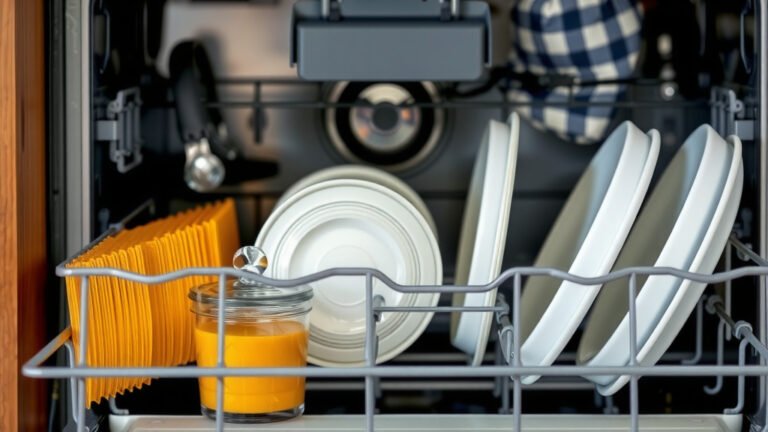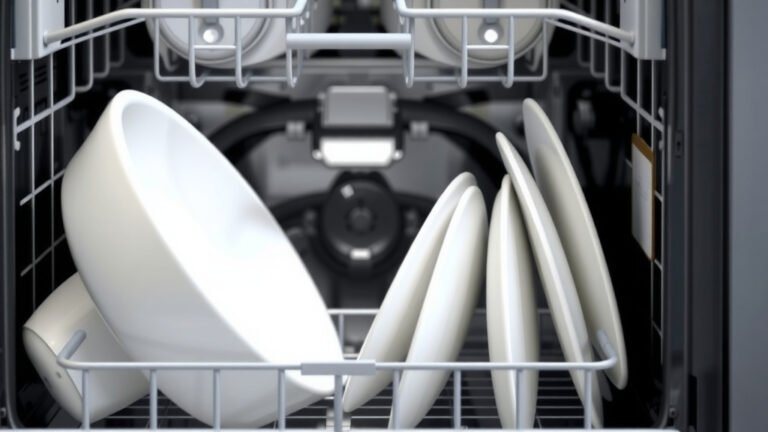
Understanding Your Dishwasher’s Eco Cycle
The eco cycle on your dishwasher is designed to use less water and energy. It typically runs for a longer period to achieve the same clean results. This setting is great for lightly soiled dishes and helping you save on utility bills. It’s a smart choice for everyday use.
Think of the eco cycle as your dishwasher’s energy-saving superhero. While it takes more time than a quick wash, the trade-off is a significant reduction in resource consumption. We found that many manufacturers recommend this cycle for optimal efficiency and environmental friendliness.
- The eco cycle cleans dishes using less water and electricity.
- It often takes longer to complete its cleaning process.
- Ideal for dishes that aren’t heavily soiled.
- Helps lower your monthly utility bills.
- A smart choice for eco-conscious households.
Ready to understand how this eco-friendly option works and how to get the most out of it? Let’s dive into the details of your dishwasher’s eco cycle.
“`htmlUnderstanding Your Dishwasher’s Eco Cycle
So, you’ve probably seen that little “Eco” button on your dishwasher and wondered, “What’s the deal with that?” It’s a fantastic question! The eco cycle is essentially your dishwasher’s super-saver mode for cleaning. Think of it as the greenest way to get your dishes sparkling clean.
We found that most manufacturers design the eco cycle to be the most energy-efficient option. This means it aims to use the least amount of water and electricity possible while still getting the job done. It’s a smart choice for your wallet and the planet.
How Does the Eco Cycle Work?
The magic behind the eco cycle lies in its approach to cleaning. Instead of blasting your dishes with high heat and lots of water quickly, it takes a more relaxed, yet effective, route. This cycle adjusts several key factors to conserve resources.
1. Lower Water Temperatures
One of the biggest energy consumers in a dishwasher is the heating element. The eco cycle often uses lower water temperatures than normal or intensive cycles. This doesn’t mean your dishes won’t get clean. The machine compensates in other ways to ensure sanitation.
2. Longer Wash Times
You might notice that an eco cycle takes considerably longer to finish. This is by design! The extended duration allows the lower-temperature water to work its magic. It gives the detergent more time to break down food particles and grease. We found that this longer contact time is key to achieving a thorough clean without extreme heat.
3. Reduced Water Usage
Eco cycles are engineered to use less water overall. They might use fewer rinse cycles or a more precise amount of water for each stage. This conserves a precious resource and contributes to lower water bills. It’s a win-win for efficiency.
4. Optimized Drying Methods
Drying can also be a power hog. Some eco cycles utilize more passive drying methods. This could involve opening the door slightly after the cycle finishes to allow heat and moisture to escape naturally. Others might rely on residual heat from the wash. You might find your plastics aren’t always bone-dry, but the difference is often minor for most items.
When Should You Use the Eco Cycle?
This cycle isn’t a one-size-fits-all solution for every load. It shines brightest in specific situations. Knowing when to deploy it will maximize its benefits for you.
For Lightly Soiled Dishes
The eco cycle is perfect for everyday loads. Think breakfast dishes, coffee cups, or plates from a light meal. If your dishes don’t have baked-on food or heavy grease, the eco cycle is usually up to the task. We found that it handles typical household grime with ease.
When Time Isn’t a Major Factor
If you’re running the dishwasher overnight or heading out for the day, the longer cycle time isn’t an issue. It’s ideal for those moments when you can afford to wait a little longer for the dishes to be done. This flexibility makes it a practical choice for many households.
To Save Energy and Water
This is the primary reason to choose the eco cycle! If your goal is to reduce your utility bills and lessen your environmental footprint, this is your go-to setting. Many energy-efficient dishwashers are certified based on their performance in eco mode (Energy Star guidelines).
When to Avoid the Eco Cycle
While wonderful, the eco cycle has its limits. There are times when a different setting will serve you better.
For Heavily Soiled Pots and Pans
If you’ve tackled a greasy roast or baked-on casserole, the eco cycle might struggle. Heavy-duty cycles with higher temperatures and more intense water jets are better suited for these tough jobs. We found that attempting to clean very dirty items on eco can sometimes result in needing to rewash them.
When You Need Dishes Quickly
If you’re in a rush and need clean plates for an unexpected dinner guest, the eco cycle’s long duration will be frustrating. Opt for a quick or express cycle in those situations. You’ll sacrifice some efficiency for speed.
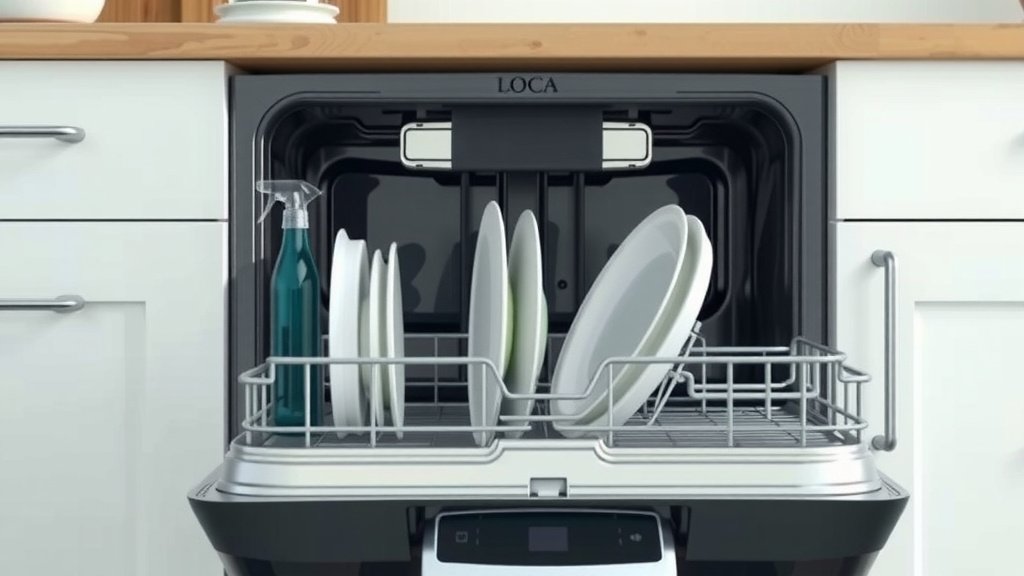
Comparing Eco Cycle to Other Settings
Understanding how the eco cycle stacks up against other common dishwasher settings can help you make the best choice for each load. Here’s a general comparison:
| Cycle Name | Typical Duration | Water Usage | Energy Usage | Best For |
|---|---|---|---|---|
| Eco Cycle | Long (3-5 hours) | Low | Low | Lightly soiled dishes, everyday loads |
| Normal/Auto Cycle | Medium (1.5-3 hours) | Medium | Medium | Average soil levels, mixed loads |
| Heavy/Pots & Pans | Medium-Long (2-4 hours) | High | High | Heavily soiled dishes, baked-on food |
| Quick/Express Cycle | Short (30-60 minutes) | Medium | Medium-High | Lightly soiled, when time is critical |
As you can see, the eco cycle prioritizes resource conservation over speed. The normal cycle offers a good balance for most situations. Heavy cycles deliver power for tough messes, and quick cycles are all about getting it done fast, often at the cost of efficiency.
Tips for Maximizing Your Eco Cycle’s Performance
To get the most out of your dishwasher’s eco setting, consider these simple tips:
- Scrape, Don’t Rinse: Remove large food scraps, but skip pre-rinsing. Dishwashers need some food soil to activate the detergent effectively.
- Load Properly: Ensure water can reach all surfaces. Don’t overcrowd the machine.
- Use the Right Detergent: A good quality detergent works better with lower temperatures.
- Check Your Manual: Every dishwasher is a bit different. Consult your manual for specific recommendations.
- Run When Convenient: Utilize off-peak electricity hours if your utility company offers them.
By following these guidelines, you can ensure your eco cycle delivers sparkling results while keeping your utility bills down. It’s a small change that contributes to a more sustainable home.
“`Conclusion
You’ve learned that your dishwasher’s eco cycle is a smart way to save money and resources. It achieves this by using lower water temperatures and longer wash times for effective cleaning. This setting is ideal for your everyday dishes when you’re not in a rush. By understanding when to use it and following a few simple tips, you can ensure your dishes come out clean while minimizing your environmental impact. Make the eco cycle your go-to for a more sustainable and budget-friendly clean.
Frequently Asked Questions
Does the eco cycle actually clean well?
Yes, the eco cycle is designed to clean dishes effectively for most loads. It uses longer wash times and optimized water usage to break down food particles. Research suggests it performs comparably to normal cycles for lightly soiled items.
Why does the eco cycle take so long?
The extended duration is necessary because the eco cycle uses lower water temperatures. This allows the detergent more time to work on grease and food residues. The longer contact time compensates for the reduced heat, ensuring a thorough clean without using excess energy.
Can I use the eco cycle for my heavily soiled dishes?
For heavily soiled items like pots with baked-on food or greasy pans, the eco cycle might not be sufficient. These tougher jobs often require higher temperatures and more intense water pressure found in heavy-duty cycles. You may need to rewash items if they aren’t clean enough.
Will my dishes be completely dry after an eco cycle?
Drying performance can vary. Eco cycles often rely on more passive drying methods, like residual heat or door opening, to save energy. You might find that plastics or items with indentations aren’t always bone-dry, but most dishes should be sufficiently dry.
How much energy and water does the eco cycle save?
The exact savings depend on your specific dishwasher model and utility rates. However, eco cycles consistently use less energy and water compared to normal or heavy-duty cycles. This translates to noticeable reductions on your monthly utility bills.