Banish Bad Smells: How to Clean a Smelly Dishwasher
The easiest way to clean a smelly dishwasher is by running an empty cycle with white vinegar. This natural cleaner helps break down grime and deodorize. You can also sprinkle baking soda inside after the vinegar wash for extra odor absorption.
A stinky dishwasher is often caused by food particles trapped in the filter or spray arms. Lingering moisture can also encourage mold and mildew growth. Keeping your dishwasher clean ensures your dishes come out sparkling and smelling fresh, not funky.
- Run an empty cycle with white vinegar.
- Clean out the filter and spray arms regularly.
- Use baking soda for extra deodorizing power.
- Wipe down the door seal to remove gunk.
- Consider a commercial dishwasher cleaner if odors persist.
Ready to tackle that lingering smell? Let’s walk through the simple steps to get your dishwasher smelling like new again.
Banish That Dishwasher Odor for Good
Is your dishwasher emitting a smell that could knock out a skunk? Don’t worry, you’re not alone! A smelly dishwasher is a common problem, but it’s usually a simple fix. We’ll help you get your appliance smelling fresh and clean again.
Understanding the Source of the Stench
Before we jump into cleaning, let’s figure out *why* your dishwasher smells. It’s not magic; it’s usually science at work (the not-so-pleasant kind). Food particles are the usual culprits. When food bits get stuck, they start to break down and create odors. Lingering moisture also plays a role, encouraging mold and mildew.
Food Debris: The Prime Suspect
Think of your dishwasher like a tiny food processor. Scraps from plates can get trapped. These bits can clog the filter or get lodged in the spray arms. Over time, this organic matter decomposes. This decomposition process is what releases those unpleasant smells you’re noticing.
Moisture and Mold: The Unwanted Guests
Dishwashers are, by nature, damp environments. If they aren’t drying completely or if there’s a lot of trapped moisture, mold and mildew can start to grow. These tiny organisms thrive in dark, damp places. They bring their own special brand of musty odor with them. This is why regular cleaning is so important.
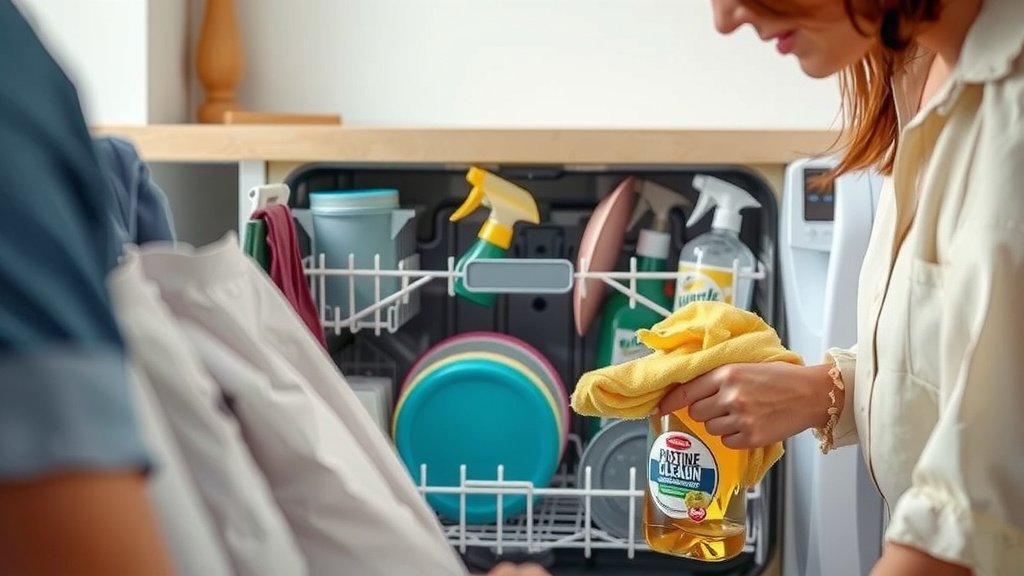
Your Step-by-Step Guide to a Fresh-Smelling Dishwasher
Step 1: The Vinegar Power Wash
This is your first line of defense. White vinegar is a fantastic natural cleaner and deodorizer. It helps break down grease and grime. It also tackles mineral deposits and hard water stains. You’ll need about one to two cups of white vinegar.
How to Run the Vinegar Cycle
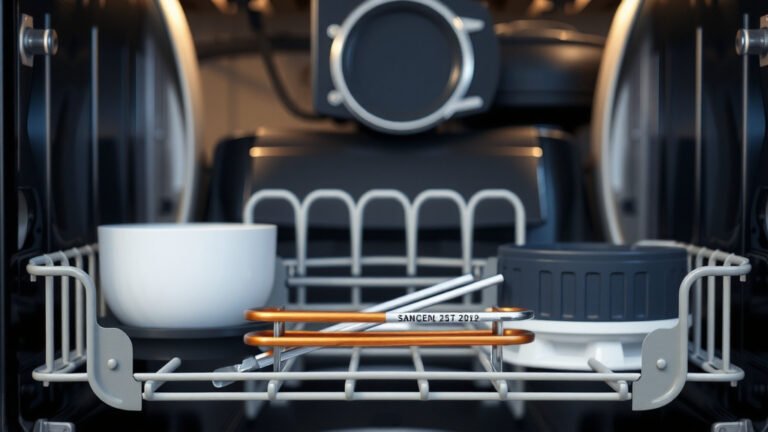
First, make sure your dishwasher is completely empty. No dirty dishes, no clean dishes, just empty racks. Place a dishwasher-safe bowl or cup filled with 1-2 cups of white vinegar on the top rack. Run your dishwasher on a hot water cycle. The hot water helps the vinegar circulate and do its work effectively. Once the cycle is complete, you should notice a significant difference in the smell.
Step 2: Tackling the Filter
The filter is where many of those offending food particles end up. If you skip this step, your vinegar wash might not be enough. Cleaning the filter is essential for preventing future odors. Most dishwasher filters are located at the bottom of the unit.
Locating and Cleaning Your Filter
Consult your dishwasher’s manual if you’re unsure where to find it. Once located, gently twist or lift it out. You’ll likely find a collection of food debris and gunk. Rinse the filter thoroughly under warm running water. You can use an old toothbrush to scrub away any stubborn bits. A clean filter means better drainage and fewer trapped smells. It’s recommended to clean your filter monthly.
Step 3: Inspecting the Spray Arms
Your dishwasher’s spray arms shoot water to clean your dishes. Clogged spray arms can lead to poor cleaning performance and trapped odors. Small food particles can block the tiny holes where the water sprays out.
Unclogging the Spray Arms
Remove the spray arms if possible. You can usually do this by unscrewing them. Use a toothpick, a small piece of wire, or a paperclip to poke through any blocked holes. Rinse the arms under warm water to flush out any loosened debris. Reattach them securely. This ensures water can spray evenly, cleaning better and helping prevent odors.
Step 4: Wiping Down the Door Seal and Edges
Don’t forget the edges and the rubber seal around your dishwasher door. This is another spot where food particles and moisture can collect. Gunk build-up here can lead to mildew and that musty smell.
Cleaning the Door Area
Dip a cloth or sponge in warm, soapy water or a mild all-purpose cleaner. Wipe down the entire door seal. Get into the crevices where grime can hide. Pay attention to the bottom edge of the door and the area where the door meets the tub. A clean seal helps prevent leaks and stops odor-causing gunk from accumulating. Make this a part of your regular wiping routine.
Step 5: The Baking Soda Boost (Optional but Recommended)
If the vinegar wash helped but didn’t completely eliminate the smell, baking soda can be your next best friend. Baking soda is a natural deodorizer. It absorbs odors rather than just masking them.
Applying Baking Soda for Extra Freshness
After you’ve run the vinegar cycle and the dishwasher has dried, sprinkle about a cup of baking soda on the bottom of the empty dishwasher. Run a short, hot water cycle. The baking soda will work its magic, neutralizing any lingering odors. This is a gentle yet effective way to boost your dishwasher’s freshness.
Step 6: When to Call in the Big Guns (Commercial Cleaners)
Sometimes, despite your best efforts, a stubborn odor might persist. In these cases, a commercial dishwasher cleaner might be necessary. These products are specifically formulated to tackle tough grime, mineral deposits, and strong odors.
Using Commercial Dishwasher Cleaners
Follow the instructions on the product packaging carefully. Most require you to place a tablet or pour a solution into the empty dishwasher and run a hot cycle. We found that many experts suggest using these cleaners periodically, perhaps every 1-3 months, as part of a preventative maintenance routine. They can be quite effective for deep cleaning.
Preventing Future Smells: Your Dishwasher’s Best Friend
Keeping your dishwasher smelling great long-term is easier than you think. A few simple habits can make a big difference. Regular maintenance is key to a happy, odor-free appliance.
Daily and Weekly Habits for a Fresh Dishwasher
- Scrape, Don’t Rinse (Mostly): Scrape large food chunks into the trash. Modern dishwashers and detergents are designed to handle small food particles. Excessive rinsing wastes water and detergent.
- Run Full Loads: This is more efficient and helps prevent food from sitting in the dishwasher for too long.
- Check the Filter Regularly: Aim for at least once a month. It’s a quick job with a big impact.
- Wipe Down the Door Seal: A quick wipe after a few loads can prevent gunk build-up.
- Use Hot Water: Always use the hottest water setting your dishwasher offers for better cleaning and sanitization.
| Cleaning Task | Frequency | What You’ll Need |
|---|---|---|
| Vinegar Wash | Monthly or As Needed | White Vinegar |
| Filter Cleaning | Monthly | Warm Water, Old Toothbrush |
| Spray Arm Check | Every 2-3 Months | Toothpick or Small Wire |
| Door Seal Wipe | Weekly | Damp Cloth, Mild Cleaner |
| Baking Soda Boost | Monthly (Optional) | Baking Soda |
| Commercial Cleaner | Every 1-3 Months (Optional) | Commercial Dishwasher Cleaner |
By following these steps and incorporating a few preventative habits, you can say goodbye to that unpleasant dishwasher smell. Enjoy the confidence of opening your dishwasher to a fresh, clean scent every time!
Conclusion
You’ve learned how to tackle that stubborn dishwasher smell. By regularly cleaning the filter and spray arms, and running a simple vinegar wash, you can banish odors. Don’t forget to wipe down the door seal too. For extra power, baking soda can neutralize lingering smells. If odors persist, a commercial cleaner is a good option. Make these simple habits a part of your routine for a consistently fresh-smelling kitchen. Now, go forth and enjoy the clean scent!
Frequently Asked Questions
How often should I clean my dishwasher filter?
It’s best to clean your dishwasher filter about once a month. This simple task removes trapped food particles that cause smells. A quick rinse under warm water is usually all it takes.
Can I use something other than vinegar to clean my dishwasher?
Yes, baking soda is an excellent natural deodorizer. Sprinkle a cup on the bottom and run a short hot cycle. Commercial dishwasher cleaners are also effective for tougher jobs.
Why does my dishwasher still smell after cleaning?
A persistent smell might mean some food debris is still trapped. Double-check the filter and spray arms. The door seal might also need a more thorough wipe-down. Sometimes a second cleaning cycle is needed.
Is it safe to run a vinegar wash with dishes inside?
No, it’s important to run the vinegar wash on an empty dishwasher. This allows the vinegar to effectively break down grime and deodorize without interfering with dish cleaning.
How can I prevent my dishwasher from smelling in the first place?
Scrape large food particles off dishes before loading. Run full loads whenever possible. Regularly clean the filter and wipe down the door seal. These habits go a long way in preventing odors.