Dishwasher Safe? How to Wash Your Water Bottles
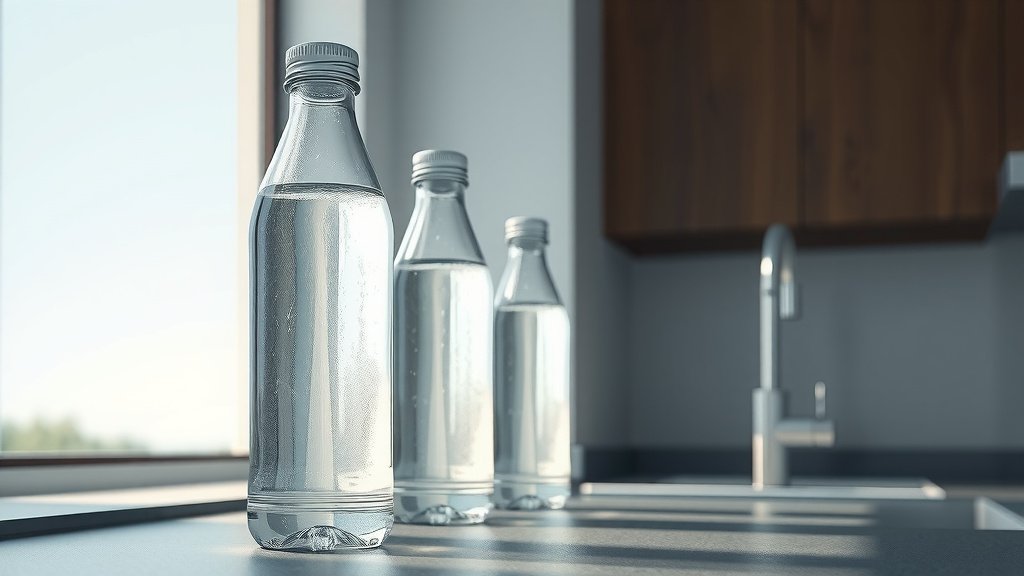
Yes, you can generally put many types of reusable water bottles in the dishwasher, but it depends on the material and brand. Most plastic and stainless steel bottles are dishwasher-safe, but always check the manufacturer’s instructions first to avoid damage.
Putting your water bottle in the dishwasher can be a quick and effective way to ensure it’s truly clean. We found that hand-washing might miss tiny spots. Dishwashers use high heat and strong detergents that can be great for sanitizing.
- Most plastic and stainless steel bottles are safe.
- Check the bottle’s label or manufacturer’s website.
- Glass bottles are usually dishwasher-safe too.
- Avoid the dishwasher for insulated or wooden bottles.
Ready to make your water bottle sparkle? Let’s walk through exactly how to do it safely and effectively.
“`htmlDishwasher or Hand Wash: How to Clean Your Water Bottle Safely
So, you’re wondering if your trusty reusable water bottle can get a spa treatment in the dishwasher. We get it! Life gets busy, and sometimes, tossing it in with the dinner plates seems like the easiest route. The good news? For many common water bottle types, the answer is a resounding yes!
However, it’s not a one-size-fits-all situation. The material of your bottle plays a starring role. Think of it like choosing the right setting on your washing machine for delicate fabrics versus sturdy jeans. We’ve researched this, and a little knowledge goes a long way in keeping your bottle clean and undamaged.
Understanding Your Water Bottle’s Material
The type of material your water bottle is made from is the biggest factor in determining if it’s dishwasher-safe. Different materials react differently to the high heat and strong detergents that dishwashers use.
Plastic Bottles: Handle with Care
Many plastic water bottles are designed for the dishwasher, but you need to be a bit discerning. Look for the recycling symbol on the bottom. If it has a “3,” “6,” or “7,” it’s best to avoid the dishwasher. These plastics can potentially warp, melt, or even leach chemicals when exposed to high heat (Harvard T.H. Chan School of Public Health).
The safest bet is typically BPA-free plastics, often marked with a “1,” “2,” “4,” or “5.” Even then, it’s wise to place them on the top rack of your dishwasher. This keeps them away from the heating element at the bottom, reducing the risk of melting or warping. Always check the manufacturer’s instructions if they’re available.
Stainless Steel Bottles: Generally Dishwasher-Friendly
Most stainless steel water bottles are a breeze to clean in the dishwasher. They are robust and can withstand the heat and detergent. You can usually place them on the bottom rack without worry. This is great because stainless steel is a popular choice for its durability and hygiene.
However, there’s a catch for insulated stainless steel bottles. While the steel itself is fine, the insulation is created by a vacuum seal between the inner and outer walls. Putting these in the dishwasher can compromise that seal over time. This means your bottle might lose its ability to keep drinks hot or cold. For insulated bottles, hand washing is often the recommended method.
Glass Bottles: A Safe Bet
Glass water bottles are generally very dishwasher-safe. Glass doesn’t warp or melt under heat and is easy to sanitize. You can typically place them on either the top or bottom rack. Just make sure they are secure so they don’t tumble around and break during the wash cycle.
Be mindful of any silicone sleeves or plastic lids. The glass bottle might be safe, but the accessories might not be. Always remove these components before running the dishwasher.
Other Materials to Avoid in the Dishwasher
Some water bottle materials are definite no-gos for the dishwasher. This includes anything made of wood or with painted or metallic finishes. The high heat and water can damage these materials, causing them to crack, peel, or lose their aesthetic appeal. Insulated bottles, as mentioned, also fall into this category for the sake of preserving their function.
Step-by-Step Dishwasher Cleaning Guide
Ready to let the dishwasher do the work? Follow these steps for a sparkling clean bottle.
Preparation is Key
Before loading your bottle, give it a quick rinse to remove any loose residue. This prevents larger particles from clogging your dishwasher’s filter. If your bottle has multiple parts like a straw or a separate lid mechanism, take them apart. This ensures that water and detergent can reach all the nooks and crannies.
Loading Your Bottle Correctly
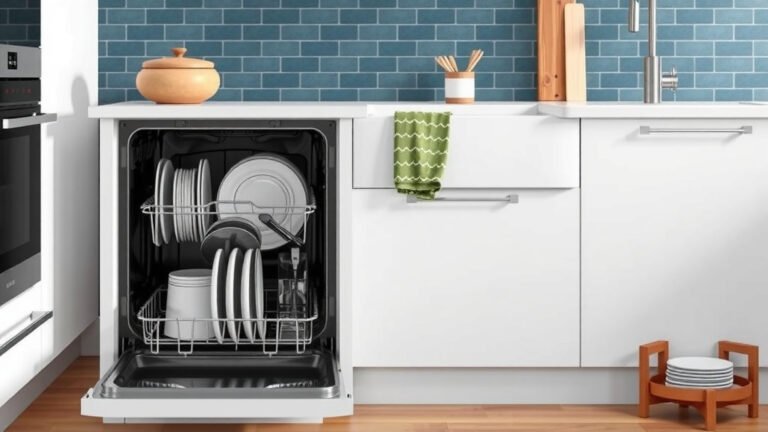
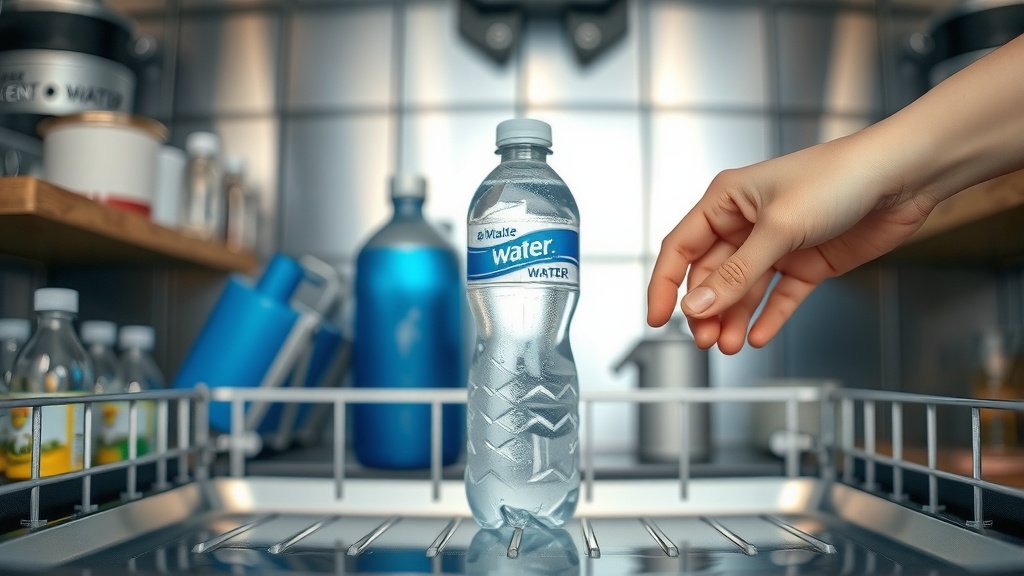
This is where your top-rack strategy comes in. Place bottles upside down on the top rack. This allows water to drain out easily and prevents the interiors from filling up. Ensure they are secure and won’t tip over. If you have very tall bottles, you might need to remove the top rack or place them carefully on their side.
Choosing the Right Cycle and Detergent
Use a normal wash cycle with your usual dishwasher detergent. A heated dry cycle is generally fine for most dishwasher-safe materials like plastic and stainless steel. For glass, a heated dry is also usually okay, but always double-check manufacturer recommendations.
Some experts suggest using a dishwasher cleaner periodically to ensure your machine itself is clean. A clean machine means a cleaner bottle!
When Hand Washing Is Your Best Bet
Despite the convenience of the dishwasher, there are times when hand washing is the superior choice. We found that some bottles simply don’t fare well in the high heat and vigorous cleaning cycles.
Insulated and Vacuum-Sealed Bottles
As we touched upon, insulated bottles are best hand-washed. The dishwasher can degrade the vacuum seal that keeps your drinks at the desired temperature. A gentle wash with warm, soapy water and a bottle brush will do the trick. Remember to rinse thoroughly!
Bottles with Special Finishes or Decorations
If your bottle has a unique painted design, metallic coating, or any kind of special finish, the dishwasher’s intensity can damage it. Hand washing with a mild soap and a soft sponge will preserve these delicate details.
Wooden or Bamboo Components
Materials like wood and bamboo absorb water. The prolonged exposure and high heat in a dishwasher can cause them to warp, crack, or become waterlogged. Always hand wash these components gently.
For the Most Thorough Clean
While dishwashers are great for sanitizing, sometimes a good old-fashioned scrub is necessary. We’ve seen that a bottle brush can reach tight spots that even dishwasher jets might miss. This is especially true for narrow-necked bottles or those with complex lid mechanisms.
Dishwasher Safety Checklist for Your Water Bottle
Before you toss your bottle into the dishwasher, quickly run through this checklist:
- Check the Material: Is it plastic, stainless steel, or glass?
- Look for Labels: Does it say “dishwasher safe”?
- Inspect for Insulation: Is it a vacuum-sealed, insulated bottle?
- Examine Finishes: Does it have delicate paint or coatings?
- Separate Parts: Can you take off the lid, straw, or sleeve?
- Top Rack Rule: For plastic, the top rack is usually safest.
| Material | Dishwasher Safe? | Notes |
|---|---|---|
| BPA-Free Plastic (e.g., PP, HDPE) | Yes (Top Rack Recommended) | Avoid direct heat. Check manufacturer instructions. |
| Stainless Steel (Single Wall) | Yes | Generally very durable. |
| Insulated Stainless Steel | No (Hand Wash Recommended) | Dishwasher can damage vacuum seal. |
| Glass | Yes | Ensure it’s secured to prevent breakage. |
| Wood or Bamboo | No | Can warp, crack, or absorb water. |
| Silicone (Sleeves, Lids) | Often Yes | Check manufacturer; may be top rack only. |
Conclusion
You’ve learned that putting your water bottle in the dishwasher is often a convenient and effective cleaning method. We found that most single-wall stainless steel and glass bottles, along with certain plastics (especially on the top rack), can handle the heat and cycles well. However, always remember to check your bottle’s material and manufacturer’s instructions first. Insulated bottles and those with delicate finishes are usually best left for a gentle hand wash. Next time you need to clean your bottle, take a moment to consult this guide and choose the best method for a truly spotless result!
Frequently Asked Questions
How often should I put my water bottle in the dishwasher?
For everyday use, giving your water bottle a run through the dishwasher every few days is a good practice to maintain hygiene. If you’re using it for anything other than plain water, like sports drinks or smoothies, it’s best to wash it daily.
Will the dishwasher’s heat damage my plastic water bottle?
The dishwasher’s heat can damage some plastics, causing them to warp or melt. Always check for a “dishwasher safe” label or look for recycling symbols 1, 2, 4, or 5. Placing plastic bottles on the top rack further minimizes exposure to direct heat.
Can I put my reusable water bottle’s lid in the dishwasher?
Most lids are dishwasher-safe, especially those made from durable plastics or stainless steel. However, if the lid has intricate parts, seals, or a straw, hand washing might be better to ensure all components are thoroughly cleaned and dried.
Is it safe to wash my insulated water bottle in the dishwasher?
No, we generally recommend avoiding the dishwasher for insulated or vacuum-sealed water bottles. The dishwasher’s high heat and water pressure can degrade the vacuum seal, reducing the bottle’s ability to keep drinks hot or cold.
What’s the best way to clean a water bottle that’s not dishwasher safe?
For bottles that aren’t dishwasher safe, hand washing with warm, soapy water and a bottle brush is your best bet. Ensure you reach all interior surfaces and rinse thoroughly. Air drying upside down helps prevent moisture buildup.