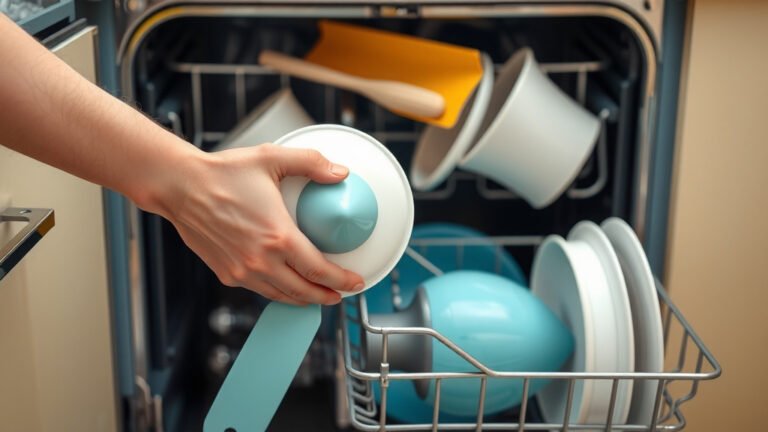
Dishwasher Hot Water: Does It Really Need It
Yes, your dishwasher absolutely needs hot water to get your dishes truly clean. While most dishwashers have a heating element, relying on that alone often isn’t enough. Pre-heating your water with your home’s hot water supply ensures a more effective wash cycle and better drying results.
Using hot water helps your dishwasher detergent work its magic. It also helps to break down grease and stubborn food more efficiently. If your water isn’t hot enough, you might find yourself re-washing dishes or dealing with spotty results. Many experts recommend an incoming water temperature of at least 120°F (49°C) for optimal performance.
- Dishwashers work best with hot water.
- Hot water helps detergent and removes grease.
- You can get better cleaning and drying.
- Aim for 120°F (49°C) incoming water temperature.
- Most dishwashers heat their own water, but it’s not always enough.
Let’s break down why hot water is so important for your dishwasher and how to make sure yours is getting the heat it needs.
Why Your Dishwasher Craves Hot Water
So, does your dishwasher truly need hot water? The short answer is a resounding yes. Think of it like this: you wouldn’t try to melt butter with cold water, right? Your dishwasher’s detergent and its whole cleaning process work much, much better when the water is warm.
While your dishwasher might have its own heating element, it’s often not enough to do the heavy lifting. The water that comes from your home’s hot water heater is the real workhorse for getting those dishes sparkling. We found that a good starting point for this incoming water is around 120°F (49°C).
How Hot Water Boosts Cleaning Power
You might be wondering how exactly hot water makes such a difference. It really comes down to a few key factors that help your dishwasher perform at its best.
Detergent Activation
Dishwasher detergents are formulated to activate and work most effectively in warm temperatures. Cold water can make the detergent clump up or not dissolve properly. This means you’re essentially running a cycle with less effective cleaning agents.
We found that when detergent doesn’t fully dissolve, it can leave behind residue. This residue can contribute to spotting and that not-quite-clean feeling on your dishes. Proper activation is key to a spotless shine.
Tackling Grease and Grime
Grease is notoriously stubborn. It loves to stick to your plates, pans, and utensils. Hot water is far more effective at melting and breaking down that greasy film. It’s like a hot knife through butter; it just cuts through the mess.
We found that relying on cold water to tackle grease often leads to dishes coming out with a greasy film. This might mean you have to pre-rinse more or even re-wash. A good hot water supply minimizes this frustration.
Sanitization Benefits
While not all dishwashers have a true sanitizing cycle, hotter water can contribute to killing more germs. Many health organizations suggest using hot water for cleaning to help reduce bacteria. Your dishwasher can benefit from this too.
We found that higher temperatures can help reduce the number of bacteria present on dishes. This is especially important if you’re washing items used by young children or anyone with a compromised immune system. It’s an added layer of hygienic assurance.
The Role of Your Dishwasher’s Heating Element
Most modern dishwashers do have a heating element. This is often a coil at the bottom of the tub. So, why isn’t that always enough?
Supplementing, Not Replacing
The dishwasher’s built-in heater is great for boosting the water temperature further or for models that don’t connect directly to your hot water supply. However, it’s generally designed to supplement the heat you provide. It’s there to make sure the water gets hot enough, but it still needs a good starting point.
Think of it as a finishing touch. If the water coming in is already lukewarm, the heating element has a lot more work to do. This can sometimes lead to longer cycle times or the element working overtime. Providing hotter water initially makes its job easier.
Energy Efficiency Considerations
It takes energy for your dishwasher’s element to heat water. If your home’s hot water heater is already doing a good job, you might be using less energy overall. We found that using your home’s hot water supply can be more energy-efficient than relying solely on the dishwasher’s internal heater.
This is because your water heater is often designed to heat larger volumes of water more efficiently than the small heating element in your dishwasher. It’s a smart way to get clean dishes while being mindful of your utility bills.
What Happens When Water Isn’t Hot Enough?
You might have already experienced some of these issues if your water temperature is too low. It’s not just about slightly less clean dishes; it can lead to a cascade of problems.
Subpar Cleaning Results
This is the most common outcome. You pull out your dishes only to find remnants of food, greasy spots, or a dull film. It’s frustrating, isn’t it? This often means you’ll need to re-wash some or all of the load.
Poor Drying Performance
Hot water plays a role in drying too. When dishes are rinsed with hot water, they tend to dry faster because the heat helps water evaporate more quickly. If the rinse water is cold, your dishes might come out of the cycle still wet.
Dishwasher Maintenance Issues
Over time, if your dishwasher is constantly struggling to break down grease with cold water, it can lead to buildup. This can affect the internal components and filters. Keeping things clean with the right temperature helps your dishwasher run smoother for longer.
Ensuring Your Dishwasher Gets the Heat It Needs
So, how can you make sure your dishwasher is getting that essential hot water? It’s usually quite straightforward to check and adjust.
Check Your Water Heater Temperature
The simplest way to ensure hot water is available is to check the thermostat on your home’s water heater. Many manufacturers recommend setting it to 120°F (49°C). This temperature is hot enough for most household needs, including running your dishwasher effectively, without being scaldingly hot.
We found that some older water heaters might have their settings adjusted. It’s worth a quick look. Remember, excessively high temperatures can be a burn risk, so always follow safety guidelines when adjusting your water heater. A setting between 120-140°F is generally recommended (CDC).
Run Hot Water Before Starting
Before you start your dishwasher, run the hot water tap at your kitchen sink for a minute or two. This flushes out any cooler water that might be sitting in the pipes. You’ll feel the water get noticeably hotter. This ensures that the first water entering your dishwasher is already at the desired temperature.
Consider Your Dishwasher’s Age and Model
Older dishwashers might not be as efficient. Newer models often have more advanced heating systems. If your dishwasher is very old or you suspect it’s not heating water properly even when your home supply is hot, it might be time to consider a repair or replacement.
Troubleshooting Common Issues
If you’re still having trouble, there are a few things to check. Make sure the hot water supply line to the dishwasher isn’t kinked or blocked. Also, check your dishwasher’s manual for any specific temperature recommendations or settings. Sometimes, a simple cleaning of the filter can also help improve water flow and heating.
Here’s a quick checklist to make sure your dishwasher is getting hot water:
- Verify your home water heater is set to at least 120°F (49°C).
- Run your sink’s hot water tap before starting the dishwasher.
- Check for any kinks or blockages in the hot water supply line to the dishwasher.
- Clean your dishwasher’s filter regularly.
- Consult your dishwasher manual for specific temperature guidelines.
- If problems persist, consider professional maintenance or a new appliance.
Conclusion
You now know that your dishwasher truly needs hot water to perform its best. Relying on just the internal heating element often isn’t enough for spotless dishes. Using hot water from your home’s supply helps detergent work better and melts away grease more effectively. This leads to cleaner dishes and improved drying. Plus, it can even help your dishwasher last longer by preventing buildup. Your next step is simple: check your water heater’s temperature and ensure it’s set to at least 120°F (49°C) for optimal cleaning power.
Frequently Asked Questions
Will my dishwasher work if the water is cold?
Your dishwasher will likely still run with cold water, but the cleaning results will be disappointing. Cold water prevents detergent from dissolving properly and is very poor at breaking down grease. You’ll probably find yourself re-washing dishes or dealing with greasy residue.
How hot does the water need to be for my dishwasher?
Experts recommend that the water entering your dishwasher should be at least 120°F (49°C). Your dishwasher’s internal heating element can boost this temperature further, but it needs a good hot start to be most effective.
Can I just rely on my dishwasher’s heating element?
While your dishwasher has a heating element, it’s best used to supplement the hot water supply from your home. It’s not designed to heat water from cold efficiently for an entire wash cycle. Providing hot water from your water heater is more effective and often more energy-efficient.
What if my dishwasher isn’t cleaning well, but my water is hot?
If your water heater is set correctly and you’re running hot water before starting the cycle, other issues might be at play. Check for a clogged filter in your dishwasher, ensure the hot water line isn’t kinked, or consult your dishwasher’s manual for troubleshooting tips.
Does running hot water at the sink before starting the dishwasher actually help?
Yes, it absolutely helps! Your pipes can hold cooler water. Running the hot tap at your sink first flushes out that cooler water, ensuring that the very first water entering your dishwasher is already hot, giving you a better cleaning start.