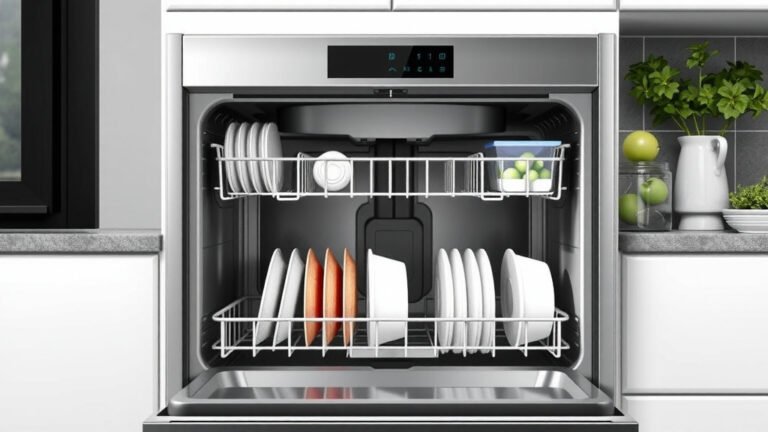
Dishwasher Sanitize Cycle Explained: What It Does
The sanitize cycle on your dishwasher is a special high-heat wash. It uses water temperatures above 155°F (68°C). This helps to kill 99.99% of common household bacteria. Think of it as a super-powered clean for your dishes.
Many dishwashers offer this option. It’s designed for items that need extra germ-killing power. This includes baby bottles or cutting boards. Using the sanitize cycle provides added peace of mind. You can be sure your most-used items are hygienically clean.
- The sanitize cycle uses very hot water.
- It kills 99.99% of common bacteria.
- Great for items needing extra germ control.
- Not all dishwashers have this feature.
Let’s dive into how this powerful cycle works and when you might want to use it.
Understanding Your Dishwasher’s Sanitize Cycle
So, what exactly is this special sanitize cycle on your dishwasher? Think of it as your dishwasher’s way of giving your dishes a deep, hygienic clean. It’s designed to go above and beyond a regular wash. This cycle uses exceptionally hot water. The temperatures are typically high enough to kill a significant amount of germs.
How the Sanitize Cycle Achieves Its Powerful Clean
The magic behind the sanitize cycle lies in its intense heat. Regular dishwashing cycles might use warm water. However, the sanitize cycle cranks it up. It aims for water temperatures that are far hotter than you’d typically want to touch.
The Science of Hot Water and Germs
Why does super hot water work so well? Many common household bacteria and germs simply cannot survive extreme heat. Research shows that high temperatures can effectively neutralize pathogens. This is why boiling water is a classic method for sterilization. Your dishwasher’s sanitize cycle uses a similar principle, just automated and controlled.
Temperature Requirements for Sanitization
According to many health guidelines, a temperature of at least 150°F (65°C) is often recommended for effective sanitization. However, most dishwashers that feature a dedicated sanitize cycle aim even higher. You’ll often see temperatures reaching 155°F to 170°F (68°C to 77°C) during the final rinse. This elevated temperature is key to achieving the advertised germ-killing power.
Meeting Performance Standards
Many dishwashers that offer a sanitize cycle are certified by specific organizations. For example, ENERGY STAR certified dishwashers must meet certain performance standards. This includes the ability to reduce bacteria by 99.99% when using the sanitize option. You’ll often see a label or mention of this standard on the appliance or in its manual.
When Should You Use the Sanitize Cycle?
While you might be tempted to use this powerful cycle all the time, it’s most beneficial in specific situations. It’s really about targeting items that come into frequent contact with vulnerable individuals or food preparation.
Protecting Your Little Ones
One of the most common uses for the sanitize cycle is for baby items. If you’re bottle-feeding, think about baby bottles, nipples, and pacifiers. Running these through a sanitize cycle can provide extra assurance. It helps ensure these items are hygienically clean, reducing the risk of transferring unwanted germs to your baby.
Food Preparation Surfaces
Cutting boards, especially those made of plastic or wood, can harbor bacteria. While regular washing is good, the sanitize cycle adds an extra layer of defense. This can be particularly useful after preparing raw meats or poultry. You’ll want to be extra sure those surfaces are thoroughly cleaned.
For Those with Weakened Immune Systems
If someone in your household has a compromised immune system, a sanitize cycle can offer peace of mind. It helps minimize the presence of bacteria on dishes and utensils used by that individual. This extra step can be a helpful part of maintaining a healthier home environment.
After Illness in the Household
Did someone in your home recently have a stomach bug or other contagious illness? Running the dishwasher on a sanitize cycle can help eliminate lingering germs. This is a great way to reset your kitchenware and prevent the spread of illness.
Everyday Use vs. Occasional Use
For everyday dishes and cutlery, a standard wash cycle is usually perfectly adequate. Modern dishwashers do an excellent job of cleaning and removing food particles. The sanitize cycle uses more energy and water due to the longer cycle and higher temperatures. It’s best reserved for those times when that extra level of germ elimination is truly needed.
What to Expect During the Sanitize Cycle
You might notice a few differences when your dishwasher is running on its sanitize setting. It’s not just about hotter water; the entire cycle can be longer.
Extended Cycle Times
Because the machine needs to heat the water to such high temperatures and maintain it for a period, the sanitize cycle often takes longer than a normal wash. You might find it adds an hour or more to the total wash time. It’s worth noting if you’re on a tight schedule.
Increased Energy and Water Usage
Heating water to extreme temperatures requires more energy. Therefore, the sanitize cycle typically uses more electricity than standard cycles. It may also use more water to ensure thorough rinsing at high heat. Consider this if you’re conscious of utility bills.
Final Rinse and Drying
The final rinse is where the highest temperatures are usually reached. This super hot water helps rinse away any remaining detergent and sanitizes the dishes. For drying, many sanitize cycles rely on the residual heat from the hot water rinse. Some models may also have a heated dry option, which can further improve drying performance, but also increases energy use.

Are There Any Downsides to Using the Sanitize Cycle?
While the sanitize cycle offers excellent germ-killing benefits, there are a couple of things to keep in mind.
Impact on Certain Materials
The extreme heat can be tough on some items. Delicate plastics, certain types of wood, or items with specific finishes might warp or degrade over time with repeated exposure to these high temperatures. Always check your item’s care instructions if you’re unsure. Most dishwasher-safe items can handle it, but it’s good to be aware.
Energy Consumption Considerations
As mentioned, this cycle uses more energy. If your primary goal is just clean dishes, a regular cycle is much more efficient. Use the sanitize cycle strategically rather than as a default setting for all loads.
Dishwasher Sanitize Cycle Checklist
To help you decide when to use this powerful feature, here’s a quick checklist:
- Baby bottles, nipples, or pacifiers? Sanitize.
- Cutting boards used for raw meat? Sanitize.
- Someone in the house is sick? Sanitize.
- Dishes used by someone with a weakened immune system? Sanitize.
- Concerned about a specific bacteria outbreak? Sanitize.
- Just everyday dishes with no specific concerns? Regular cycle is fine.
Conclusion
You’ve learned that your dishwasher’s sanitize cycle is a powerful tool for hygiene. It uses extra-hot water, reaching temperatures that kill 99.99% of common bacteria. This cycle is ideal for baby bottles, cutting boards, or when someone in your home has been sick. While it uses more energy and water, the peace of mind it offers is often worth it. For everyday cleaning, a standard cycle is usually sufficient. Now you can confidently choose the right cycle for your needs, ensuring a cleaner, healthier kitchen.
Frequently Asked Questions
Does the sanitize cycle make dishes hotter?
Yes, the sanitize cycle heats water to a much higher temperature than regular cycles, typically above 155°F (68°C). This extreme heat is what allows it to kill bacteria effectively. Your dishes will come out hotter than after a normal wash, so be careful when unloading.
Can I use the sanitize cycle every day?
You can, but it’s generally not necessary for everyday use. Regular wash cycles are designed to clean effectively and are more energy-efficient. The sanitize cycle uses more energy and water, so it’s best reserved for when you need that extra level of germ-killing power.
Will the sanitize cycle damage my dishes?
For most dishwasher-safe items, the sanitize cycle is fine. However, the extreme heat can be tough on delicate plastics or certain wooden items. Always check the care instructions for your dishes if you are unsure about their heat tolerance.
Is the sanitize cycle necessary if I already use hot water?
Yes, it’s still beneficial. While your tap water might be hot, it likely doesn’t reach the sustained high temperatures of 155°F (68°C) or more that a dishwasher’s heating element can achieve. This specific high heat is needed to meet sanitization standards.
How can I tell if my dishwasher has a sanitize cycle?
Look for a button or setting labeled “Sanitize” on your dishwasher’s control panel. Many ENERGY STAR certified dishwashers will also meet specific sanitization standards and may have a sticker indicating this. Your dishwasher’s user manual will confirm if this feature is available.