Master Your Dishwasher Hard Water Settings for Sparkling Dishes
Yes, your dishwasher has a hard water setting that can make a big difference. This setting helps your appliance tackle minerals found in hard water, preventing spots on your dishes and buildup inside your machine. You’ll often find it labeled as a “softener,” “rinse aid,” or a “water hardness” adjustment.
When water is hard, it means it has a high mineral content. This can lead to cloudy dishes and limescale. Using the correct setting ensures your dishwasher uses detergent and rinse aid effectively. Many models allow you to customize this based on your local water’s hardness level, leading to cleaner dishes every time.
- Dishwashers have settings for hard water.
- Hard water causes mineral buildup and spots.
- Using the right setting improves cleaning.
- Adjust settings based on your local water hardness.
- This prevents damage and keeps dishes spotless.
Let’s walk through exactly how your dishwasher’s hard water settings work and how to find the best one for your home.
Hard water can be a real pain, leaving spots on your glasses and a chalky film on your silverware. You might even notice a strange smell or residue inside your dishwasher. But don’t worry, your appliance is likely equipped with features to combat this. Understanding these settings can save you from a lot of frustration.
Making Your Dishwasher Work Better with Hard Water
Your dishwasher has built-in ways to handle the minerals in hard water. These features help keep your dishes sparkling and your machine running smoothly.
What Exactly is Hard Water?
Hard water is simply water with a high concentration of dissolved minerals. Think calcium and magnesium. These are naturally occurring and common in many water supplies across the U.S. The higher the mineral content, the harder the water.
How Minerals Affect Your Dishes
When hard water evaporates, it leaves those minerals behind. This is what causes the white spots and cloudy film you see on your dishes and glassware. It’s not just an aesthetic issue; it can also affect how clean your dishes truly are.
The Impact on Your Dishwasher
These minerals don’t just stick to your dishes. They can build up inside your dishwasher over time. This buildup, often called limescale, can clog spray arms, damage heating elements, and reduce the overall efficiency of your machine. It’s like getting plaque in your own mouth – not good!
Common Dishwasher Settings for Hard Water
You’ll find different names for these features on various dishwasher models. The goal is always the same: to reduce the impact of hard water minerals.
Rinse Aid Setting
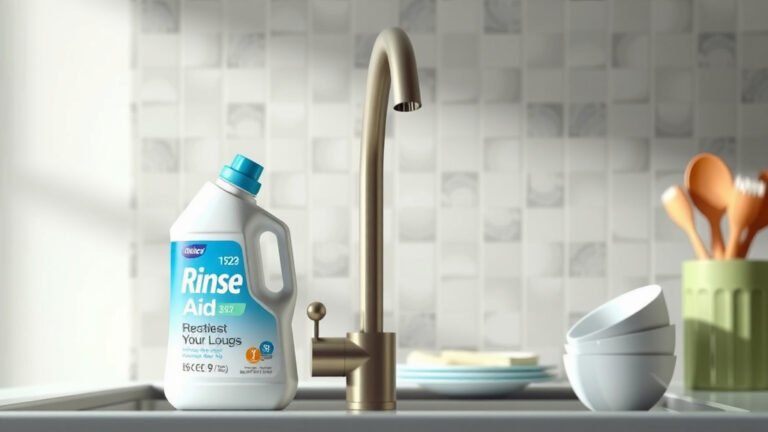
This is perhaps the most common setting. Rinse aid is a liquid that helps water sheet off your dishes rather than beading up. This prevents those dreaded water spots. You can usually adjust the amount of rinse aid dispensed based on your water hardness. More rinse aid might be needed for very hard water.
Water Softener or Salt Setting
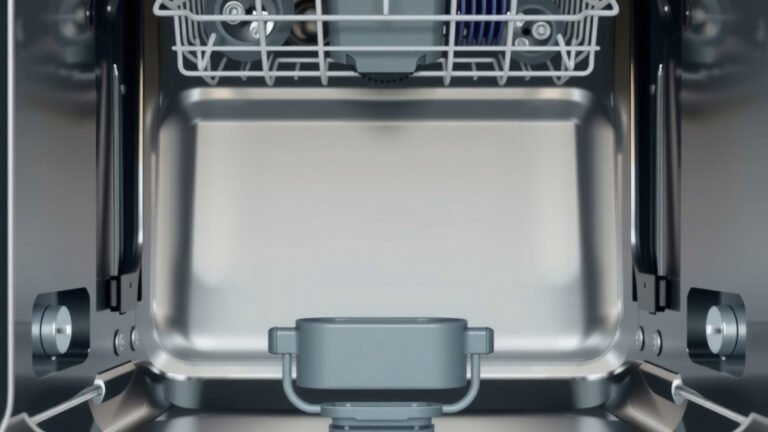
Some dishwashers have a built-in water softening system. These systems use special dishwasher salt to regenerate ion exchange resins. The resins trap the calcium and magnesium ions from the water. You’ll need to periodically refill the salt compartment. Check your dishwasher manual for specific instructions on when and how to add salt. Some dishwashers have a built-in water softening system that uses dishwasher salt.
Water Hardness Adjustment
Many modern dishwashers allow you to manually set the level of water hardness. This tells the machine how much detergent and rinse aid to use for optimal cleaning. You’ll typically find settings ranging from soft to very hard water, often indicated by numbers or symbols.
Finding Your Local Water Hardness Level
To use your dishwasher’s hard water settings effectively, you need to know your water’s hardness. This information is readily available and quite simple to find.
Check Online Resources
Many municipalities provide water quality reports online. A quick search for your city or county’s water department might yield the information you need. You can often find details on mineral content, including calcium and magnesium levels.
Use a Test Kit
If online resources aren’t helpful, you can purchase a home water hardness test kit. These kits are inexpensive and usually involve dipping a test strip into your water or using a few drops of a reagent. The color change indicates the hardness level. You can find these at most home improvement or hardware stores.
What the Levels Mean
Water hardness is typically measured in grains per gallon (GPG) or milligrams per liter (mg/L), which is equivalent to parts per million (ppm). Here’s a general guide:
| Water Hardness Level | Grains Per Gallon (GPG) | Milligrams Per Liter (mg/L or ppm) |
|---|---|---|
| Soft | 0-3.5 GPG | 0-60 mg/L |
| Slightly Hard | 3.5-7 GPG | 60-120 mg/L |
| Hard | 7-10.5 GPG | 120-180 mg/L |
| Very Hard | 10.5+ GPG | 180+ mg/L |
The U.S. Geological Survey (USGS) provides extensive data on water hardness across the country. Based on their findings, many parts of the U.S. have hard or very hard water (USGS).
How to Adjust Your Dishwasher Settings
Once you know your water hardness level, you can make the necessary adjustments. This usually involves a few simple steps.
Consult Your Manual
Every dishwasher is different. Your owner’s manual is the best resource for understanding your specific model’s settings. It will detail how to access and change the water hardness, rinse aid, or salt settings.
Setting the Water Hardness Level
If your dishwasher has a specific water hardness adjustment, you’ll typically find it in the settings menu. You might use buttons, a dial, or a digital interface. Select the level that matches your home’s water. Many experts recommend starting with a moderate setting and adjusting if needed (Consumer Reports).
Using Rinse Aid and Salt
For dishwashers with rinse aid dispensers, you can usually control the release amount. Increase it if you still see spots after a cycle. If your machine has a salt compartment, ensure it’s filled. The machine will use the salt to soften the water during the wash cycle.
Troubleshooting Common Issues
Even with the right settings, you might encounter problems. Here are a few tips to help you resolve them.
Persistent Spots and Film
If you’re still seeing spots, try increasing the rinse aid setting or adding more dishwasher salt. Ensure you are using a quality detergent specifically designed for dishwashers. Sometimes, a quick cleaning cycle with a dishwasher cleaner can remove existing buildup.
Dishwasher Smells or Buildup
Mineral buildup can cause unpleasant odors. Regularly cleaning the filter and spray arms can help. Running a hot cycle with vinegar or a specialized dishwasher cleaner can tackle limescale. This is a good practice, especially if you have very hard water.
A Quick Checklist for Hard Water Success
To ensure your dishwasher handles hard water effectively, keep these points in mind:
- Know your water hardness level.
- Adjust your dishwasher’s setting accordingly.
- Use rinse aid, especially with hard water.
- Refill dishwasher salt if your model requires it.
- Clean your dishwasher’s filter regularly.
- Run occasional cleaning cycles to prevent buildup.

Conclusion
You’ve learned how your dishwasher’s hard water settings work to combat mineral buildup. By understanding your local water hardness, you can properly adjust rinse aid and salt levels. This ensures your dishes come out spotless and your appliance runs efficiently for longer. Don’t let hard water win! Take a moment today to check your water hardness and make the necessary adjustments in your dishwasher settings. Your sparkling clean dishes will thank you.
Frequently Asked Questions
How do I know if my dishwasher has a hard water setting?
Look for terms like “rinse aid,” “water hardness,” or “softener” in your dishwasher’s control panel or manual. Many modern dishwashers have a specific setting you can adjust based on your water’s mineral content. If you can’t find it, consult your owner’s manual.
Can I use regular table salt in my dishwasher’s salt compartment?
No, you should never use regular table salt. Dishwasher salt is specially designed to be pure and dissolve correctly in the water softening system. Table salt contains additives that can damage your dishwasher’s internal components and clog the system.
My dishes still have spots even with the rinse aid setting on high. What else can I do?
If high rinse aid isn’t enough, check your water hardness level again. You may need to add dishwasher salt if your model has a softener compartment. Ensure you’re using a quality detergent and that your dishwasher’s filter is clean, as a clogged filter can also impact cleaning performance.
How often should I add dishwasher salt?
The frequency of adding dishwasher salt depends on your water hardness and how often you run your dishwasher. Many dishwashers have an indicator light that will alert you when the salt level is low. Check your manual for guidance, but a good rule of thumb is to check monthly if you have very hard water.
What’s the difference between rinse aid and dishwasher salt?
Rinse aid helps water sheet off dishes, reducing spots and improving drying by preventing water from beading up. Dishwasher salt works with the dishwasher’s built-in water softening system to remove calcium and magnesium minerals from the incoming water. They work together to give you the best results with hard water.