Stop Making These Dishwasher Loading Mistakes
Yes, you can absolutely make your dishwasher clean better. Many people make common dishwasher loading mistakes without even knowing it. Loading your dishwasher the right way can mean fewer rewashes and cleaner dishes every time. We found that proper loading is key to getting the most out of your appliance.
It’s easy to just toss dishes in wherever they fit. But overcrowding or placing items incorrectly can block water jets. This means some spots just don’t get clean. We found that even a few small adjustments can make a big difference in your sparkling results.
- Don’t block the spray arms.
- Place larger items on the bottom rack.
- Face dirty surfaces toward the spray.
- Don’t overcrowd the machine.
- Rinse if necessary, but don’t pre-wash everything.
Let’s walk through the most common dishwasher loading mistakes and how to fix them so you can get those dishes truly clean. Learn about common dishwasher loading mistakes and how to fix them for cleaner dishes.
You’re not alone if you sometimes wonder why certain dishes come out less than sparkling. Many people make common mistakes when loading their dishwashers. These errors can block water flow, trap food particles, or prevent detergents from reaching all surfaces. We found that correcting these simple loading habits can make a huge difference in your clean dishes.
Getting Your Dishes Spotless: Common Dishwasher Loading Errors
We’ve all been there, staring at a dishwasher full of dishes, trying to fit everything in. But how you load it matters. Let’s break down the most common mistakes and how to fix them.
Mistake 1: Blocking the Spray Arms
This is probably the most common culprit for dirty dishes. The spray arms need a clear path to rotate and spray water everywhere. If large items like pots, pans, or cutting boards are placed incorrectly, they can stop the arms from spinning.
Imagine trying to wash your hands while someone holds them down. It’s the same idea! Research from appliance manufacturers consistently shows that unobstructed spray arms are vital for effective cleaning.
How to Fix It:
Always check that the spray arms can spin freely after loading. Give them a gentle nudge to be sure. Place taller items towards the sides or back of the racks. Make sure nothing hangs down low enough to impede the lower spray arm.
Mistake 2: Overcrowding the Dishwasher
It seems logical to fit as many dishes as possible into one load. However, cramming too much in prevents water and detergent from circulating properly. Think of it like a crowded elevator – people can’t move, and things don’t get cleaned effectively.
We found that leaving some space between items is crucial. This allows the water jets to reach every surface. Overcrowding leads to more rewashing, which uses more water and energy in the long run.
How to Fix It:
Don’t force items into the dishwasher. If you have a lot of dishes, consider running two smaller loads instead of one overly stuffed one. Prioritize loading items so they face the spray, and ensure there’s air circulation.
Mistake 3: Facing Dirty Surfaces the Wrong Way
This might sound obvious, but many people load dishes without thinking about which way the food grime is facing. The water jets need to hit the dirty surfaces directly to wash them away. If a plate is facing the back of the dishwasher, the water might just hit the clean side.
Many cleaning experts say that orienting dishes correctly is a fundamental step. Place items so that soiled surfaces are angled downwards towards the spray. This allows food particles to be washed away efficiently.
How to Fix It:
Always ensure that the dirtiest parts of your dishes are facing the center of the dishwasher and slightly downward. This helps gravity assist the cleaning process.
Mistake 4: Not Using the Racks Correctly
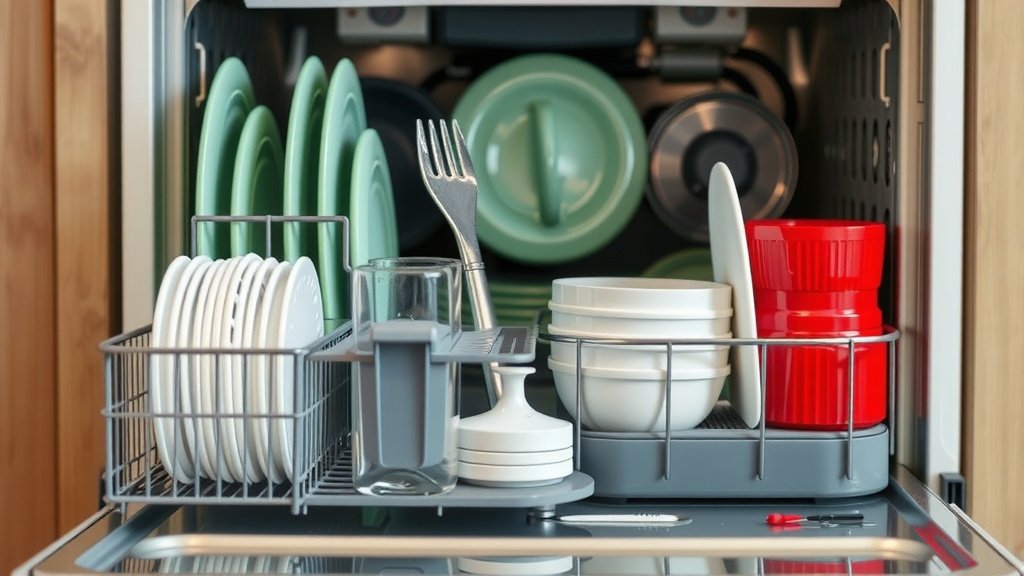
Dishwashers have different racks for a reason. The bottom rack is designed for larger, sturdier items like plates, pots, and pans. The top rack is generally for smaller items like glasses, mugs, and bowls. Using them as intended maximizes cleaning power.
Bottom Rack Strategy:
Place plates, bowls, and larger utensils here. Always face the dirty surfaces inward and slightly downward. Pots and pans should ideally be placed on the sides or back to avoid blocking spray arms. Research suggests the strongest water jets hit the bottom rack, making it ideal for tougher jobs.
Top Rack Strategy:
This rack is usually gentler. It’s perfect for glasses, cups, and smaller bowls. Place glasses and mugs upside down so water can fill them and drain out. Lighter plastic items can go here too, but ensure they are secured so they don’t flip over and fill with water.
Mistake 5: Washing Items That Shouldn’t Be Washed
Not everything belongs in the dishwasher. Some materials can be damaged by the heat and harsh detergents. This can lead to ruined dishes or even damage to your dishwasher. Understand what’s not dishwasher safe to avoid damaging your items or appliance.
What to Avoid:
- Wood: Can warp and crack.
- Cast Iron: The dishwasher will strip its seasoning.
- Non-stick Pans: May degrade the coating over time.
- Fine China and Hand-Painted Items: The abrasive action can damage delicate finishes.
- Certain Plastics: Check for “dishwasher safe” labels. Heat can warp them.
The American Cleaning Institute advises checking manufacturer instructions for specific items. We found that washing these items can lead to premature wear and tear on both your dishes and your appliance.
Mistake 6: Pre-washing Dishes Too Much (or Not Enough)
There’s a fine line when it comes to rinsing. Modern dishwashers and detergents are designed to handle food particles. Scraping off large chunks is good, but a full pre-wash is often unnecessary and can actually make the detergent less effective.
Detergents often contain enzymes that need something to work on. If dishes are perfectly clean before they go in, these enzymes have nothing to grab onto, and the cleaning cycle might not be as optimal. We found that light scraping is usually sufficient.
The Right Approach:
Scrape off any large food debris. If something is baked on and stubborn, a quick soak or a gentle scrub might help. But avoid rinsing every last speck. Let the dishwasher do its job!
Mistake 7: Mismatched Detergent and Rinse Aid Use
Using the correct detergent and rinse aid is as important as loading correctly. Using the wrong type or too little/too much can affect cleaning performance. For example, not using rinse aid can lead to water spots, especially in hard water areas.
Many studies show that rinse aids help water sheet off dishes, reducing drying time and preventing spots. We found that using a quality detergent and ensuring your rinse aid dispenser is full significantly improves results.
Detergent Tips:
Use a detergent specifically designed for automatic dishwashers. Pods offer convenience, while powders and gels allow for more control over the amount used. Always ensure the dispenser is clean and functioning.
Rinse Aid Essentials:
Fill the rinse aid compartment regularly. You’ll usually see a small indicator that tells you when it’s low. This is crucial for achieving that streak-free shine, especially on glassware.
Dishwasher Loading Checklist
Here’s a quick rundown to ensure you’re on the right track:
- Clear the Spray Arms: Give them a spin to ensure they’re free.
- Face Dirty Surfaces Inward: Let the water jets do their work.
- Don’t Overcrowd: Allow space for water and detergent to flow.
- Use Racks Appropriately: Larger items on the bottom, smaller on top.
- Scrape, Don’t Scrub: Remove large food bits, but let detergent work.
- Check Labels: Ensure items are dishwasher safe before loading.
Conclusion
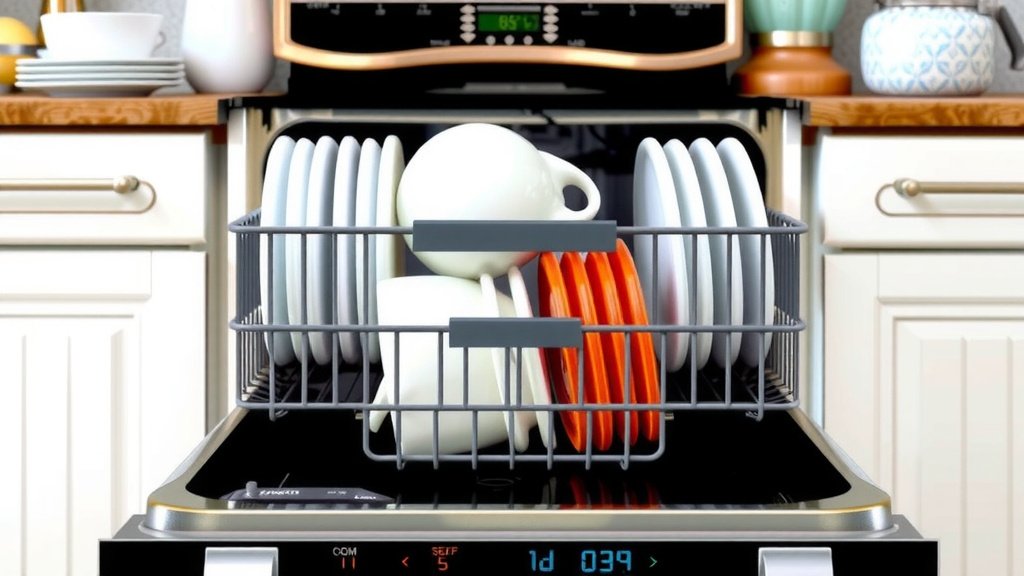
You’ve learned how small changes in how you load your dishwasher can make a big impact. Avoiding common mistakes like blocking spray arms or overcrowding ensures every dish gets the attention it needs. Properly orienting dirty surfaces and using racks as intended maximizes cleaning power. By following these tips, you’ll save time and water from fewer rewashes. Make it a habit to check your loading technique before starting a cycle. You’ll soon enjoy consistently sparkling clean dishes!
Frequently Asked Questions
Why are some of my glasses still cloudy after a wash?
Cloudy glasses are often caused by mineral deposits from hard water or improper rinsing. Ensure your rinse aid dispenser is full, as rinse aid helps water sheet off dishes. Also, try facing glasses upside down on the top rack so they fill with water and drain effectively.
Can I put wooden spoons or cutting boards in the dishwasher?
Generally, it’s best to avoid putting wooden items or cast iron cookware in your dishwasher. The hot water and harsh detergents can cause wood to warp and crack, and they will strip the seasoning from cast iron, making it prone to rust.
How do I know if my dishwasher is overcrowded?
If you have to force items in, or if dishes are touching each other tightly, it’s likely overcrowded. Another sign is finding dirty dishes after a cycle. Remember to leave enough space for water jets to reach all surfaces of your dishes.
Should I really scrape off all food before loading?
You don’t need to pre-wash dishes completely. Modern dishwashers and detergents are designed to handle food particles. Simply scrape off any large chunks of food. Letting some residue remain can actually help the detergent enzymes work more effectively.
What’s the best way to load pots and pans?
Place pots and pans on the bottom rack, facing the dirtiest surfaces towards the center and slightly downward. Position larger pots and pans towards the sides or back to avoid obstructing the spray arms. Ensure they don’t block smaller items from getting clean.