Dishwasher Maintenance: Tips for a Sparkling Clean Machine
Regular dishwasher maintenance is key to keeping your appliance running smoothly and your dishes sparkling clean. You can prevent many common problems by performing simple checks and cleaning steps. For example, cleaning your dishwasher filter regularly is one of the most important maintenance tasks you can do. This simple act helps avoid clogs and improves cleaning performance. It’s a small effort for a big payoff in dishwashing efficiency.
Your dishwasher works hard for your household, so giving it a little TLC can extend its lifespan and prevent costly repairs. Neglecting basic upkeep can lead to odor issues, poor cleaning results, and even breakdowns. We found that many users overlook these simple maintenance routines, but they are essential for optimal performance. Think of it as routine check-ups for your trusty kitchen helper.
- Clean the filter regularly.
- Wipe down the door seal.
- Check and clean the spray arms.
- Run a cleaning cycle periodically.
- Inspect for any leaks or damage.
Let’s walk through the essential dishwasher maintenance tips that will help you keep yours in top shape. You’ll be surprised how easy it is to keep your dishwasher working like new!
Keeping Your Dishwasher in Top Shape
Your dishwasher is a true kitchen workhorse. You rely on it daily to tackle tough grease and grime. But like any appliance, it needs a little attention to keep performing at its best. Regular maintenance can prevent common headaches and ensure your dishes come out spotless every time.
Cleaning the Dishwasher Filter: Your First Line of Defense
This is probably the most impactful task you can do. Your dishwasher’s filter catches food particles and debris. If it gets clogged, water can’t circulate properly. This leads to poor washing and unpleasant odors.
Locating and Removing Your Filter
Most dishwasher filters are located at the bottom of the tub, often under the lower spray arm. You’ll usually find a twist-lock mechanism to release it. Consult your dishwasher’s manual if you’re unsure. We found that a quick look at the manufacturer’s website often has a video tutorial.
How to Clean the Filter
Once removed, rinse the filter under warm running water. Use a soft brush, like an old toothbrush, to gently scrub away any stuck-on gunk. For stubborn debris, you can use a little mild dish soap. Rinse thoroughly and ensure it’s completely dry before putting it back. Many experts recommend doing this every 1-3 months, depending on your usage.
Wipe Down the Door Seal and Edges
Don’t forget the edges where the door meets the tub. Food particles and moisture can get trapped here. This can lead to mold and mildew growth, which is not only unsightly but can also cause odors.
The Importance of a Clean Seal
A clean seal ensures your dishwasher operates efficiently. It helps maintain the water temperature inside and prevents leaks. Think of it as the gasket on a car engine – a small part that’s vital for proper function.
Simple Cleaning Steps
Use a damp cloth to wipe down the rubber seal around the door. Pay attention to any crevices where grime might accumulate. For tougher spots, a bit of white vinegar on the cloth can help break down buildup. Make it a habit to do this whenever you unload the dishwasher.
Checking and Cleaning the Spray Arms
The spray arms are responsible for directing water onto your dishes. Clogged holes mean weak spray, which means less-than-clean plates.
Why Clogged Spray Arms Are a Problem
If the small holes in your spray arms get blocked with food debris or mineral deposits, the water pressure is reduced. This can leave you with spotty dishes or food stuck on. We found that this is a common cause of “my dishwasher isn’t cleaning” complaints.
How to Clear Blockages
You can often remove the spray arms by gently twisting or unscrewing them. Use a toothpick or a small piece of wire to poke out any debris from the holes. Rinse the arms under running water. Some spray arms can be soaked in a vinegar solution to help dissolve mineral buildup. Reattach them securely.
Running a Cleaning Cycle
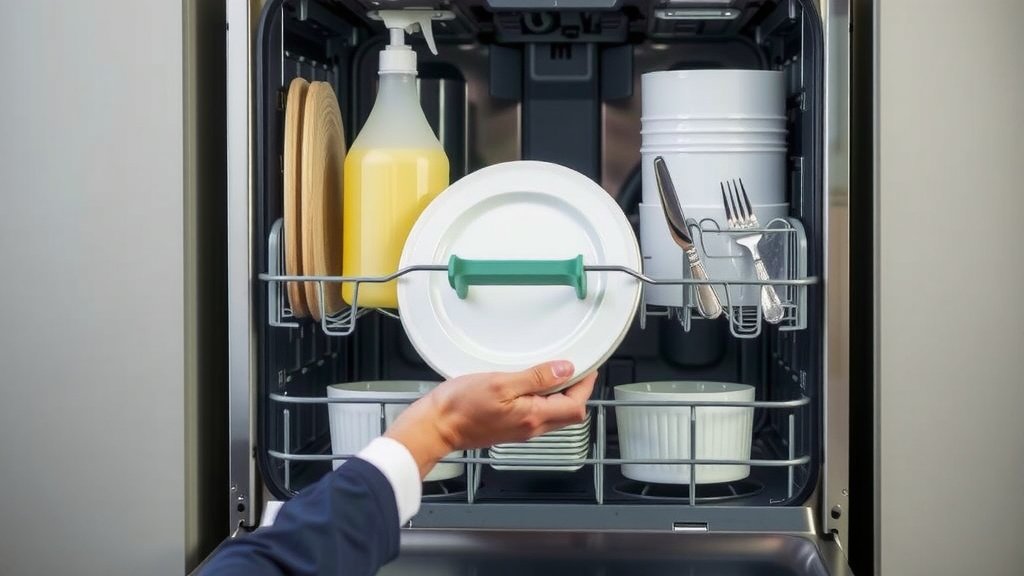
Your dishwasher can benefit from a good deep clean every so often. This helps remove internal buildup and keeps everything smelling fresh.
What Happens During a Cleaning Cycle?
A cleaning cycle uses hot water and a specialized cleaner to scrub away grime and residue from the interior components. It can help descale the heating element and pipes. Many manufacturers recommend doing this every 3-6 months.
How to Perform a Cleaning Cycle
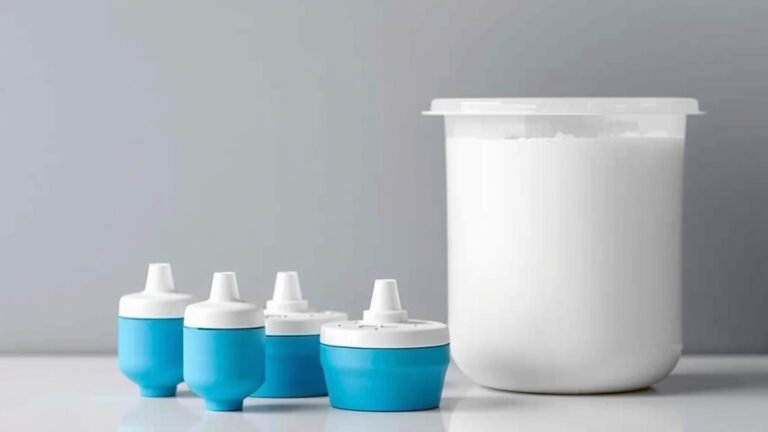
You can purchase dishwasher cleaning tablets or liquids from most grocery stores. Simply place the cleaner in the detergent dispenser or on the bottom rack (follow product instructions). Then, run your dishwasher on its hottest, longest cycle. You can also use a cup of white vinegar placed on the top rack for a more natural option. We found this method is quite effective for light cleaning.
Inspecting for Leaks and Damage
Regular visual checks can catch small problems before they become big, expensive ones.
What to Look For
Walk around your dishwasher and check the floor for any signs of water. Look at the door, the base, and the hoses connected to the appliance. Are there any drips or puddles? Small leaks can indicate worn seals or faulty hoses. Many home maintenance guides suggest doing this check monthly.
Addressing Minor Issues Promptly
If you spot a leak, try to identify the source. It might be as simple as tightening a hose clamp or replacing a worn gasket. If you’re not comfortable doing the repair yourself, it’s best to call a qualified appliance repair technician. Catching issues early saves you from potential water damage to your floors and cabinets.
A Quick Maintenance Checklist
Here’s a handy list to keep your dishwasher humming:
- Clean the filter: Monthly (or more often if needed).
- Wipe the door seal: Weekly.
- Check spray arms for clogs: Monthly.
- Run a cleaning cycle: Every 3-6 months.
- Inspect for leaks: Monthly.
By incorporating these simple steps into your routine, you’re investing in the longevity and performance of your dishwasher. You’ll enjoy cleaner dishes and avoid many common frustrations. It’s a little effort for a lot of reward!
Conclusion
You’ve learned how simple dishwasher maintenance can make a big difference. Regularly cleaning your filter, wiping down seals, and checking spray arms are easy steps. Running a cleaning cycle and inspecting for leaks add extra protection. By following these tips, you’re ensuring your dishwasher runs efficiently. You’ll get cleaner dishes and avoid unexpected repairs. Make these tasks a routine part of your home upkeep. Your trusty kitchen helper will thank you for it!
Frequently Asked Questions
How often should I really clean my dishwasher filter?
We found that most manufacturers recommend cleaning your dishwasher filter about once a month. If you tend to run heavy loads or notice lingering food particles, cleaning it every two weeks might be better. It’s a small task that greatly improves cleaning performance.
Can I use vinegar to clean my whole dishwasher, not just a cycle?
While vinegar is great for a cleaning cycle, it’s not recommended for regular wiping inside. Using vinegar too often or on certain surfaces could potentially damage them over time. Stick to specific dishwasher cleaners or mild dish soap for deep cleaning.
My dishwasher smells musty even after cleaning. What’s next?
A musty smell often means mold or mildew is hiding in the door seal or along the tub edges. Make sure you’re thoroughly wiping these areas with a damp cloth. Running a hot cleaning cycle with a specialized cleaner should also help eliminate persistent odors.
What if my spray arms are completely clogged and won’t come off?
If a spray arm is severely clogged and won’t budge, try soaking the entire arm in a vinegar and water solution for a few hours. This can help dissolve mineral buildup. If it still won’t remove, consult your dishwasher’s manual or consider calling a repair technician.
How can I tell if my dishwasher has a leak that needs fixing?
Regularly check the floor around and under your dishwasher for any dampness or puddles. Also, inspect the door gasket for signs of wear or damage. If you notice water stains or drips, it’s time to investigate the source, which might be a worn seal or a loose hose.