Dishwasher Loading Tips for a Sparkling Clean
Loading your dishwasher the right way can make a huge difference. Proper loading ensures every dish, cup, and utensil gets sparkling clean without needing a rewash. You can achieve maximum cleaning power by following a few simple rules for placement and arrangement.
Many people load their dishwashers without thinking much about it. This often leads to spots, film, or even dirty residue left behind. We found that strategically placing items, like keeping taller items away from the spray arm, can greatly improve results and save you time.
- Always scrape large food bits off dishes first.
- Place bowls and cups facing down.
- Don’t block the sprayer arms.
- Mix different types of items on each rack.
- Ensure nothing hangs over the edge of the racks.
Let’s walk through exactly how to load your dishwasher for the best results, so you can stop rewashing dishes and start enjoying more free time.
Maximizing Your Dishwasher’s Cleaning Power
You’ve probably loaded your dishwasher on autopilot for years. It’s easy to just toss things in. But are you getting the sparkling results you expect? We’ve found that a little strategy can make a big difference. Proper loading ensures water and detergent reach every surface. This means fewer spots and less leftover grime.
Scrape, Don’t Rinse: The Pre-Wash Prep
Before anything goes into the dishwasher, give your plates a quick scrape. Remove any large chunks of food. Think about a potato peel or a stray piece of broccoli. These can clog your dishwasher’s filter or spray arms. You don’t need to rinse everything until it’s spotless. Modern dishwashers and detergents are powerful. They can handle stuck-on food if it’s not too extreme (Consumer Reports).
Rack by Rack: Where Everything Goes
Understanding how each rack works is key. The goal is to let the water jets hit everything effectively. No item should shield another from the cleaning spray.
The Bottom Rack: For the Big Stuff
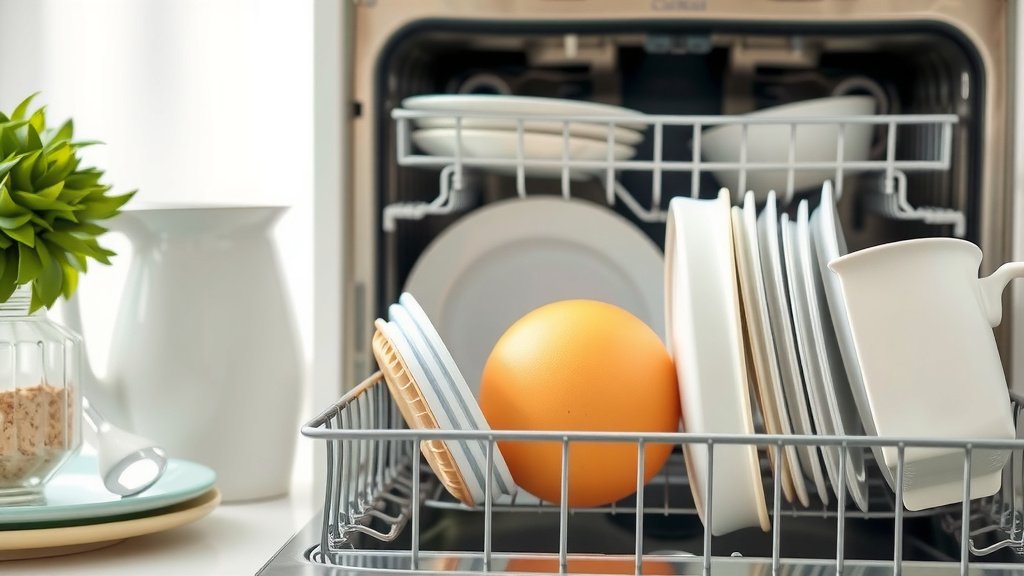
This is where your large plates, pots, and pans belong. Place them facing inward towards the center of the dishwasher. This ensures they get maximum exposure to the water spray. Make sure plates and large bowls are angled downwards. This allows water to drain away easily. Avoid nesting bowls too tightly. They need space for water to circulate between them. Research shows that proper spacing is vital for cleaning.
The Top Rack: Delicate Items and Plastics
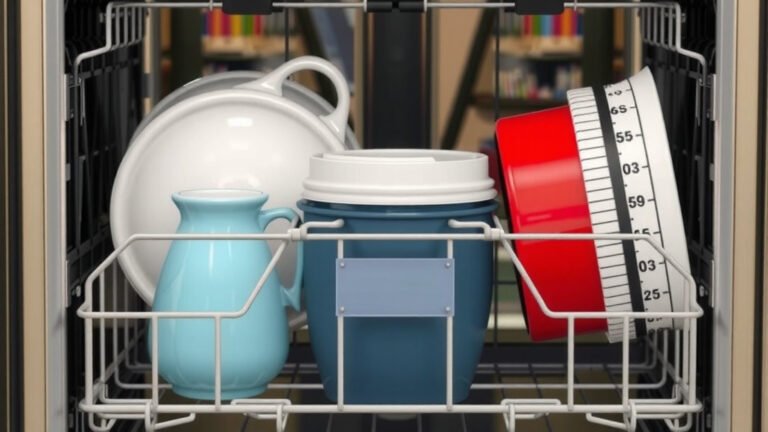
Your top rack is perfect for glasses, mugs, and smaller bowls. Position them upside down. This prevents water from pooling in them. Taller items should go on the sides. This way, they don’t block the detergent dispenser or the spray arm. Many plastic items are also top-rack safe. Always check the manufacturer’s label to be sure. We found that placing lighter plastic items on the top rack keeps them from being flipped over by the water.
The Silverware Basket: Utensil Placement
How you load the silverware basket really matters. Don’t put all your spoons in one spot. Mix them up! Place some handles up and some handles down. This prevents them from nesting together. Spoons and forks can go handle-down. Knives are safer handle-up. This keeps your fingers away from sharp edges when unloading. A widely accepted practice is to alternate orientation for better cleaning (Good Housekeeping).
Strategic Placement for Spray Arm Success
The spray arms are the unsung heroes of your dishwasher. They spin and spray water with surprising force. You need to ensure they can move freely. Don’t block them with tall items or dishes sticking out too far. If an item hangs over the edge of a rack, it can stop the spray arm from spinning. We’ve all heard that rattling sound – that’s a sign something is in the way.
What NOT to Put in Your Dishwasher
Not everything is dishwasher-safe. Some items can be damaged. Others can damage your dishwasher. Avoid putting in: Not everything is dishwasher-safe, so know what items need hand-washing.
- Cast iron pans
- Sharp knives (they can dull)
- Anything with wood or bamboo
- Anything with hand-painted designs
- Certain plastics
- Large aluminum items
Overloading vs. Underloading: Finding the Balance
It’s tempting to stuff the dishwasher full. But overloading is a common mistake. It prevents water and detergent from reaching all surfaces. This leads to dirty dishes. On the flip side, running a half-empty dishwasher wastes water and energy. Aim for a full load, but not a crammed one. A good rule of thumb is to ensure you can still easily move the spray arms. We found that running the dishwasher only when it’s reasonably full saves resources.
Tips for Sparkling Glasses and Spot-Free Dishes
Getting glasses perfectly clear can be tricky. Residue often shows up on them. To help prevent spots:
- Ensure glasses are on the top rack, facing down.
- Don’t overcrowd the rack.
- Use a rinse aid. This helps water sheet off surfaces.
- Check your rinse aid dispenser. It might need refilling.
- Make sure your dishwasher’s water temperature is adequate.
Dishwasher Loading Checklist for a Perfect Wash
Ready to put this into practice? Here’s a quick checklist:
- Scrape off large food debris.
- Load the bottom rack with plates and pots, facing inward.
- Place bowls and cups facing down on both racks.
- Mix silverware, handles up and down.
- Ensure spray arms can spin freely.
- Don’t overcrowd the dishwasher.
Following these simple steps will dramatically improve your dishwasher’s performance. You’ll spend less time rewashing and more time enjoying your day. It’s about working smarter, not harder, with your appliances.
Conclusion
You now have the knowledge to transform your dishwasher from a guesswork appliance into a powerful cleaning tool. By strategically loading each rack, ensuring proper water flow, and avoiding common mistakes like overcrowding, you’re setting yourself up for sparkling clean dishes every time. Remember to scrape, not rinse, and give those spray arms the space they need to work their magic. Take a moment today to review your dishwasher’s layout and apply these simple tips. You’ll soon notice the difference – fewer rewashes and more free time for you!
Frequently Asked Questions
Why do my glasses still have spots after washing?
Spots on glasses are often due to hard water or insufficient rinse aid. Make sure your glasses are on the top rack, facing down. Always ensure your rinse aid dispenser is full and consider using a quality rinse aid product. Checking your home’s water hardness can also help identify the issue.
Can I put plastic containers in the dishwasher?
Many plastic containers are dishwasher-safe, but it’s always best to check the manufacturer’s label. Generally, place plastics on the top rack. This protects them from the most intense heat and prevents them from being tossed around by the water spray. Avoid placing them directly below the heating element.
How do I prevent my silverware from coming out dirty?
The key to clean silverware is to avoid nesting. Mix up the orientation of your utensils in the basket – some handles up, some down. This ensures water can reach all surfaces. Don’t cram the basket too full; give items some breathing room for better water circulation.
Is it okay to run my dishwasher if it’s not completely full?
While it’s tempting, running a half-empty dishwasher wastes water and energy. It’s better to wait until you have a reasonably full load. However, avoid overloading it to the point where cleaning is compromised. Aim for that sweet spot where the machine is full but not crammed, allowing water to flow freely.
What if my dishwasher’s spray arm isn’t spinning properly?
If your spray arm isn’t spinning, it’s likely being blocked by an item. Check that no tall dishes, utensils, or pots are sticking up too far or hanging over the edge of the rack. Ensure all items are placed so they don’t interfere with the arm’s rotation. Listen for any rattling sounds during the cycle as a clue.