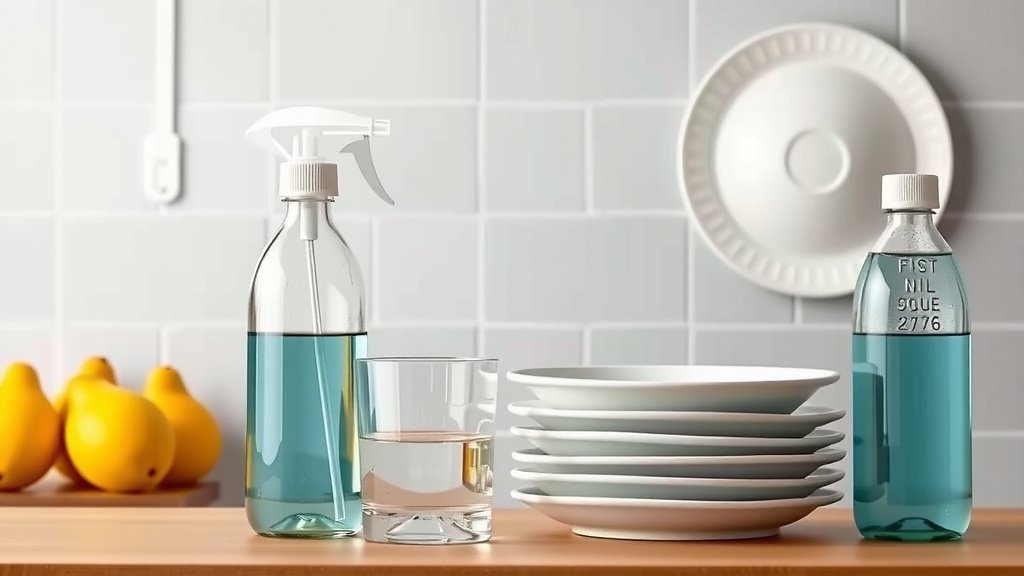
DIY Rinse Aid Alternatives for Sparkling Dishes
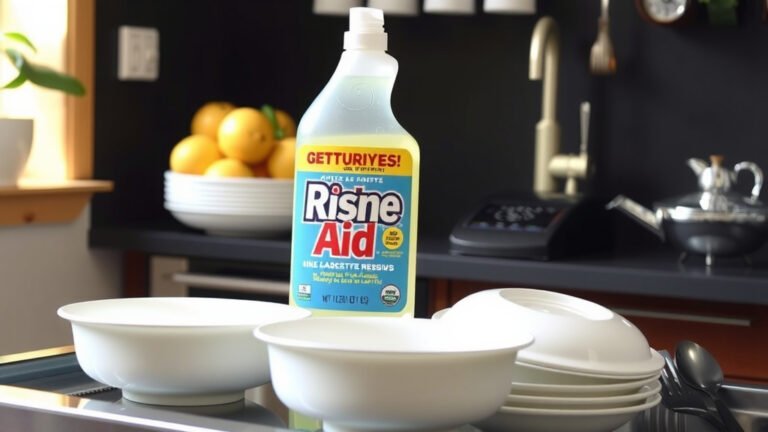
Yes, you can absolutely use household items as a rinse aid alternative in your dishwasher. Many people find that plain white vinegar or even lemon juice works wonders. These natural options can help reduce water spots and improve drying, just like commercial rinse aids. You might be surprised at how effective these simple solutions are!
Skipping rinse aid doesn’t have to mean dealing with foggy glasses or stubbornly wet dishes. We’ve found that using common kitchen staples can offer a fantastic eco-friendly and budget-conscious solution. It’s a smart way to keep your dishwasher running efficiently without buying specialized products. You can achieve a brilliant shine with things you likely already own.
- White vinegar is a popular DIY rinse aid.
- Lemon juice can also help reduce spots and improve drying.
- These alternatives are often cheaper than commercial options.
- They are also better for the environment.
Ready to give your dishwasher a natural boost? Let’s take a look at some of the best rinse aid alternatives you can try right now.
“`htmlSmart Swaps for Your Dishwasher’s Rinse Aid
You’re likely wondering if there’s a simple, everyday solution to get your dishes sparkling clean without a store-bought rinse aid. The good news is, yes! Many common kitchen items can work just as well, if not better. You don’t need fancy chemicals to achieve that streak-free shine. We’ve found that natural ingredients can be surprisingly effective.
These natural alternatives can help water sheet off your dishes. This means less spotting and faster drying. It’s a budget-friendly and eco-conscious choice. You’re probably already using some of these items in your cooking. Let’s explore the best options you can try right away.
The Power of White Vinegar
White vinegar is perhaps the most popular and widely recommended rinse aid alternative. Its acidic nature makes it a superstar at cutting through mineral deposits and soap residue. This helps prevent those frustrating water spots from forming on your glasses and dishes. Many people have success with this simple swap.
How to Use Vinegar Effectively
Using vinegar is incredibly easy. Most dishwashers have a dedicated rinse aid dispenser. Simply fill this compartment with plain white distilled vinegar. You don’t need to dilute it. The dishwasher will release it automatically during the final rinse cycle. It’s that straightforward!
Vinegar’s Scientific Edge
Vinegar’s effectiveness comes from its acetic acid content. This acid helps to lower the surface tension of the water. Lower surface tension allows water to spread more evenly and run off surfaces in thin sheets, rather than beading up. Research from food science journals often points to acidic solutions for improved rinsing and spot prevention. It essentially tells water, “Go away, and don’t leave any marks behind!”
What Kind of Vinegar?
For this purpose, always use plain white distilled vinegar. Avoid apple cider vinegar or balsamic vinegar. These can leave behind color or residue that you don’t want in your dishwasher. Stick to the clear, basic stuff. It’s the most neutral and effective for cleaning tasks like this.
Potential Downsides to Consider
While vinegar is great, there are a few things to keep in mind. Some users worry about the smell of vinegar. However, the scent typically dissipates completely during the drying cycle. You won’t find your dishes smelling like a salad dressing! Another concern is the long-term effect of acid on dishwasher components. While generally safe in small amounts during the rinse cycle, some manufacturers may advise against it. Always check your dishwasher’s manual if you’re unsure.
Citrus Solutions: Lemon Juice Power
If you’re looking for another natural option, lemon juice can be a surprisingly good rinse aid alternative. Like vinegar, lemon juice is acidic. It can help cut through grease and mineral buildup, leaving your dishes looking brighter. Plus, it leaves a pleasant, fresh scent!
Getting Started with Lemon Juice
You can use lemon juice in a couple of ways. One method is to add a tablespoon or two of fresh or bottled lemon juice directly into the rinse aid dispenser. You can also try placing a small bowl filled with lemon juice on the top rack of your dishwasher. The heat and steam will help distribute its cleaning power. You might even try just a splash of lemon juice in the bottom of the dishwasher.
Why Lemon Juice Works
The citric acid in lemon juice functions similarly to acetic acid in vinegar. It helps to break down mineral deposits and soap scum. This leads to fewer water spots and a better shine. Many cleaning experts suggest acidic fruits for their natural cleaning properties. It’s a gentle way to give your dishes an extra polish.
A Word of Caution with Citrus
Lemon juice can be a bit trickier than vinegar. Fresh lemon juice contains pulp and natural sugars. These could potentially clog your dishwasher’s filter or drain over time. To minimize this risk, it’s best to strain fresh lemon juice thoroughly before using it. Using bottled lemon juice might be a safer bet for some. Also, like vinegar, prolonged exposure to acid might affect certain dishwasher parts. Always monitor your machine.
Other Household Rinse Aid Alternatives
Beyond vinegar and lemon juice, a few other common items might offer some rinse aid benefits. While they might not be as consistently effective as the top two, they can be worth a try if you’re in a pinch.
Rubbing Alcohol (Isopropyl Alcohol)
Some people experiment with adding a small amount of rubbing alcohol to the rinse aid dispenser. Alcohol has a lower surface tension than water. This can help water bead up and roll off dishes more easily, improving drying. However, be very cautious with this method. Use only a small quantity, perhaps a teaspoon, and ensure it’s highly diluted if you choose to try it. Never mix alcohol with bleach products, as this can create toxic fumes.
Baking Soda (Use Sparingly!)
While baking soda is an excellent cleaner and deodorizer, it’s generally not recommended as a direct rinse aid alternative. Its abrasive nature could potentially scratch delicate dishware over time. Also, it doesn’t have the same water-sheeting properties as acids. If you want to use baking soda, it’s better suited as a pre-wash booster or for cleaning the dishwasher itself.
Choosing the Right Alternative for You
The best rinse aid alternative often depends on your specific dishwasher and water type. Hard water, for example, can lead to more stubborn spots. You might find that vinegar works wonders for hard water issues.
A Quick Comparison Chart
To help you decide, here’s a quick look at how these options stack up:
| Alternative | Pros | Cons | Best For |
|---|---|---|---|
| White Vinegar | Effective spot prevention, widely available, cheap | Potential odor (temporary), long-term acid concern | Most dishwashers, hard water |
| Lemon Juice | Fresh scent, good for spots, natural | Potential for pulp/sugar clogs, less consistent than vinegar | Those who prefer a scent, moderate water issues |
| Rubbing Alcohol | Can improve drying, readily available | Use with extreme caution, potential safety concerns, can dry out seals | Emergency use only, very small amounts |
Your Checklist for Success
Ready to give one of these a try? Here’s a simple checklist to make sure you’re set up for success:
- Check your dishwasher manual first.
- Decide between vinegar or lemon juice.
- Ensure you have the correct type of product (plain white vinegar!).
- Measure the correct amount for your dispenser.
- Run a test cycle to see the results.
- Observe your dishes for any improvements or issues.
Conclusion
You now have the knowledge to ditch expensive commercial rinse aids for good! We’ve found that simple household items like white vinegar and lemon juice can effectively tackle water spots and improve drying in your dishwasher. These natural alternatives are not only budget-friendly but also great for the environment. Remember to always check your dishwasher’s manual before trying a new method. Ready to give your dishes a natural shine? Your next dishwashing cycle is the perfect time to test out these smart, simple swaps.
Frequently Asked Questions
Can I use apple cider vinegar as a rinse aid?
It’s best to stick with plain white distilled vinegar for your dishwasher. Apple cider vinegar can sometimes leave behind a faint color or residue. Plain white vinegar is more neutral and less likely to cause any unwanted deposits in your machine.
How much vinegar should I put in the rinse aid dispenser?
You can fill the rinse aid dispenser completely with plain white distilled vinegar. Your dishwasher is designed to release just the right amount during the final rinse cycle. No need to measure; just fill it up like you would with commercial rinse aid.
Will my dishes smell like vinegar after washing?
Most users report that the vinegar smell completely disappears during the drying cycle. The heat and steam work to dissipate any lingering scent. You’ll likely find your dishes come out clean and fresh, not vinegary.
Can I use essential oils as a rinse aid alternative?
While essential oils add a nice scent, they are generally not recommended as a rinse aid alternative. They don’t have the acidic properties needed to reduce water spots or help water sheet off dishes effectively. Stick to vinegar or lemon juice for best results.
Is it safe for my dishwasher to use vinegar regularly?
Using plain white vinegar in the rinse aid dispenser is generally considered safe for most dishwashers when used in moderation. The acidity helps prevent mineral buildup. However, always consult your dishwasher’s manual to be sure; some manufacturers may have specific recommendations against using acidic substances regularly.