Best Dishwasher Cycle for Everyday Loads Explained
For your everyday dishes, the best dishwasher cycle is usually the Normal or Auto setting. These cycles offer a good balance of cleaning power and water/energy efficiency. They are designed to handle typical food soils, making them perfect for most loads. You can trust this setting for most of your daily needs.
Your dishwasher has several cycles, each suited for different cleaning tasks. While Normal is your go-to, understanding options like Heavy or Quick can save you time and ensure sparkling results. Many modern dishwashers use sensors to adjust cycle times and water usage automatically. This smart technology helps optimize performance for your specific load.
TL;DR:
- Normal/Auto is best for everyday loads.
- It balances cleaning and efficiency.
- Heavy cycle tackles tough grime.
- Quick cycle is for lightly soiled items.
- Your dishwasher might adjust automatically.
Now, let’s dive a little deeper into what makes each cycle tick and when you should use them. We’ll help you get the most out of your appliance.
“`htmlChoosing the Right Dishwasher Cycle for Your Daily Grime
So, you’ve got a dishwasher, and you want to use it right. It’s more than just a button to push; it’s a tool for a cleaner kitchen. Understanding the different settings can make a big difference. Your dishwasher is designed to handle more than just a few plates. It has cycles for everything from a light rinse to a deep scrub. Let’s break down what each one does and when it’s best to use it. Understanding the different settings can make a big difference.
The Everyday Workhorse: Normal and Auto Cycles
For most of your kitchen cleanup, the Normal cycle is your best friend. It’s like the all-purpose cleaner of dishwasher settings. This cycle is designed to handle average loads of everyday dishes. Think your breakfast bowls, lunch plates, and dinner dishes. It balances cleaning performance with water and energy use. Many experts recommend it for general use (Consumer Reports).
How Normal Cycle Works
The Normal cycle typically involves a pre-rinse, a main wash, and a rinse aid followed by drying. The duration can vary, usually lasting between 1.5 to 2.5 hours. It uses a good amount of hot water and detergent. This helps to break down common food soils like grease and dried-on bits. It’s built to get your everyday dishes clean without being overkill.
When to Use Normal Cycle
Use the Normal cycle when your dishes aren’t heavily soiled. If you rinse your plates a little after eating, this cycle is perfect. It’s also a great choice if you run the dishwasher once a day. This helps keep the appliance running efficiently. You won’t waste water or energy on a light load, but it’s strong enough for most typical messes.
The Smart Choice: Auto or Sensor Cycle
Many newer dishwashers come with an Auto or Sensor cycle. This is like having a smart assistant for your dishes. The dishwasher uses sensors to detect how dirty your dishes are. It then adjusts the water temperature, water usage, and wash time accordingly. This means you get the best possible clean without guessing.
Benefits of Auto/Sensor
The biggest benefit is efficiency. The machine only uses what it needs. If your dishes are only lightly soiled, it will run a shorter, less intense cycle. If they’re really dirty, it will ramp up the cleaning power. This can save you money on your utility bills over time. It also takes the guesswork out of choosing the right cycle.
When to Use Auto/Sensor
You can use the Auto or Sensor cycle for most of your everyday loads. It’s designed to adapt to different levels of dirt. If your dishwasher has this setting, it’s often the most convenient option. Just load your dishes and let the machine do the thinking.
For Tougher Jobs: The Heavy Cycle
Sometimes, you encounter dishes that need a bit more muscle. We’re talking about baked-on casserole dishes or pots with burnt-on food. For these situations, the Heavy cycle is your secret weapon. It’s designed for maximum cleaning power. It tackles the toughest grease and grime you can throw at it.
What Heavy Cycle Does
This cycle uses higher water temperatures and longer wash times. It may also use more water and detergent than a Normal cycle. The increased intensity helps to break down stubborn, dried-on food particles. Some models might even include an extra rinse to ensure all soil is removed. It’s a robust wash meant for challenging loads.
When to Use Heavy Cycle
Reserve the Heavy cycle for your truly dirty dishes. This includes pots and pans with baked-on food. It’s also good for heavily greased items. Think of the aftermath of a big family dinner or a weekend BBQ. Using it for everyday loads would be a waste of resources. It’s powerful, but not always practical.
For Speed Demons: The Quick Cycle
We all have those moments when we need clean dishes in a hurry. Maybe you have guests coming over soon, or you just need that one serving platter. That’s where the Quick cycle comes in handy. It’s designed to wash lightly soiled dishes fast. It won’t tackle heavy grime, but it’s perfect for a speedy refresh.
How Quick Cycle Works
This cycle is shorter, often finishing in under an hour. It typically uses higher water pressure to clean quickly. It might skip some of the longer pre-rinse or soak times. Some quick cycles may not include a drying phase, or they might use a less intense drying method. This helps keep the cycle time down.
When to Use Quick Cycle
The Quick cycle is best for dishes that haven’t been sitting long. Use it for lightly soiled items, like coffee cups or plates with minimal food residue. It’s not meant for dried-on food or heavy grease. Think of it as a fast express wash for items that don’t need a deep clean. It’s a lifesaver when you’re in a pinch.

Other Cycles to Consider
Beyond the main options, your dishwasher might have other specialized cycles. These can offer even more tailored cleaning. Many modern machines include settings that use advanced technology.
Half Load/Eco Mode
Some dishwashers have a Half Load or Eco mode. These cycles are designed to save water and energy. They are ideal when you don’t have a full load of dishes. Eco mode typically uses less water and a lower temperature. It will take longer to complete, but it’s more energy-efficient.
Rinse Only
The Rinse Only cycle is useful for a quick pre-rinse. You can use it if you won’t be running a full wash cycle soon. It rinses away loose food particles. This helps prevent food from drying and hardening on your dishes. It’s a good way to keep things fresh until you’re ready for a proper wash.
Making the Most of Your Dishwasher Cycles
Choosing the right cycle is just part of the equation. Here are some tips to ensure your dishes come out sparkling every time.
- Scrape, Don’t Rinse: Most modern dishwashers don’t require pre-rinsing. Scraping off large food particles is usually enough. Over-rinsing can actually make it harder for the detergent to stick and clean effectively.
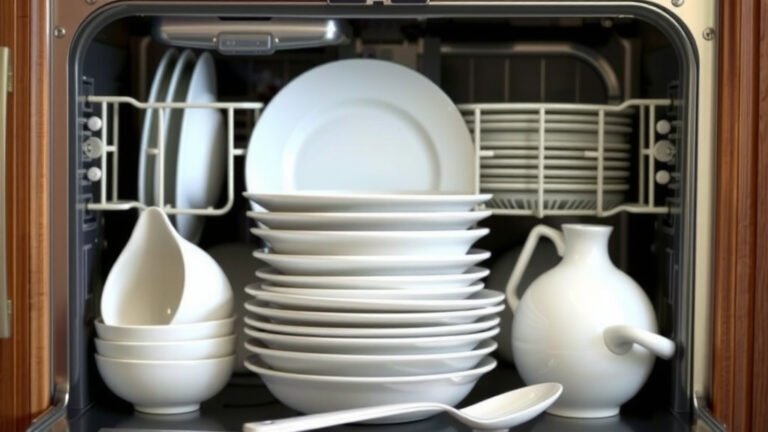
- Load Properly: Don’t overcrowd the dishwasher. Ensure water can reach all surfaces. Place larger, dirtier items towards the bottom and spatulas and smaller items in the silverware basket.
- Use Rinse Aid: Rinse aid helps water sheet off your dishes. This speeds up drying and prevents water spots.
- Check Your Detergent: Use a high-quality dishwasher detergent. Make sure you’re using the correct amount. Too much can cause residue; too little won’t clean effectively.
- Regular Maintenance: Clean your dishwasher’s filter regularly. This is often overlooked but is key to good performance.
By understanding your dishwasher’s settings and following these tips, you can achieve sparkling clean dishes consistently. Your kitchen will thank you for it!
“`Conclusion
You’ve learned that your dishwasher is more than just a button to push; it’s a smart tool for a cleaner kitchen. For most of your everyday needs, the Normal or Auto cycle is your best bet. They strike a perfect balance between powerful cleaning and efficient use of water and energy. Remember to use the Heavy cycle for tough messes and the Quick cycle for speed. By understanding and using these cycles correctly, you’ll consistently get sparkling results and make the most of your appliance. Your next step is simple: next time you load the dishwasher, confidently choose the cycle that best fits your dishes!
Frequently Asked Questions
What’s the difference between Normal and Auto dishwasher cycles?
The Normal cycle runs a standard wash program designed for average loads. An Auto or Sensor cycle uses built-in sensors to detect the soil level of your dishes and adjusts the wash time, water temperature, and water usage accordingly for optimal efficiency.
Can I use the Heavy cycle for all my dishes?
No, you should reserve the Heavy cycle for very tough, baked-on, or greasy messes. Using it for lightly soiled everyday dishes wastes water and energy and can even be too harsh for them.
How long does a dishwasher’s Quick cycle typically take?
A Quick cycle is designed for speed, usually completing a wash in under an hour. It’s meant for lightly soiled items that don’t require a long soak or deep cleaning.
Should I rinse dishes before putting them in the dishwasher?
Most modern dishwashers don’t require you to rinse dishes. Scraping off large food particles is usually sufficient. In fact, pre-rinsing can sometimes interfere with how well the detergent cleans.
Why is my dishwasher not cleaning my dishes effectively?
Several factors can affect cleaning performance. Make sure you’re loading the dishwasher correctly, using the right amount of detergent, ensuring your rinse aid dispenser is full, and regularly cleaning your dishwasher’s filter.