
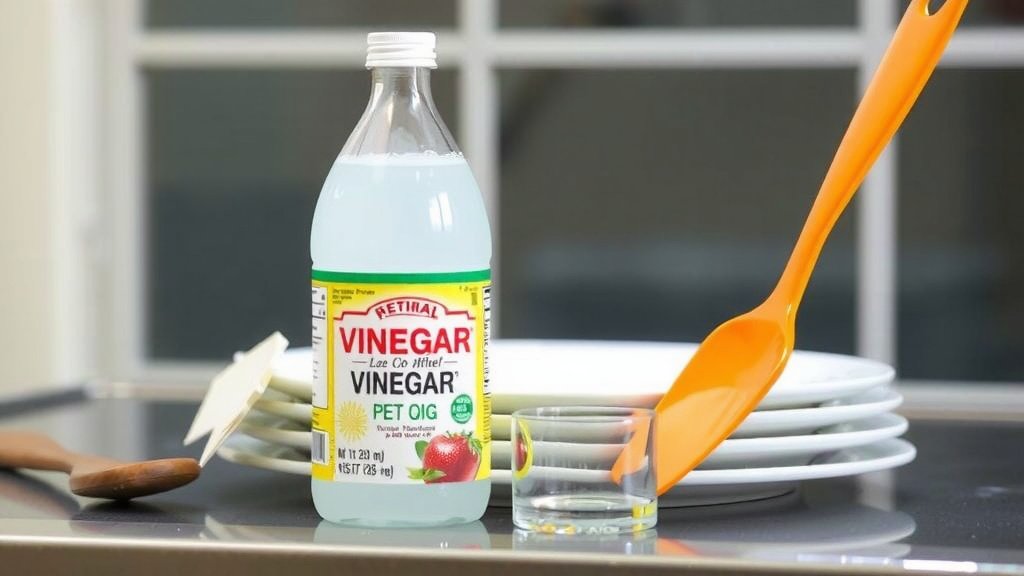
Using Vinegar in Your Dishwasher: Yes or No
Yes, you absolutely can use vinegar in your dishwasher, and it’s a fantastic natural way to make your dishes sparkle. Vinegar acts as a rinse aid, helping to prevent water spots and leaving your glassware with a brilliant shine. It’s a simple hack that many people swear by for cleaner, brighter results.
Many of us worry about leaving stubborn white marks on our glasses. That’s where vinegar comes in handy! It’s acidic enough to break down mineral deposits that cause those unsightly spots. We found that it’s also great for helping to deodorize your dishwasher, tackling those lingering food smells.
- Yes, vinegar can be used in your dishwasher.
- It works as a natural rinse aid for shiny dishes.
- Vinegar helps prevent stubborn water spots and mineral buildup.
- It can also help neutralize unpleasant odors inside the machine.
Ready to give your dishwasher a vinegar boost? Let’s dive into exactly how to do it and what to expect.
Your Dishwasher’s New Best Friend: A Vinegar Guide
Can you really use vinegar in your dishwasher? Absolutely! It’s a simple, **cost-effective trick** that many households have embraced. We’ve seen countless times how effective a little bit of vinegar can be. It tackles common dishwasher woes without harsh chemicals. Think of it as a little spa treatment for your dishes and your machine.
Why Vinegar Works Wonders in Your Dishwasher
So, what makes this pantry staple so good for your dishes? It all comes down to its natural properties. Vinegar is an acid. This acidity is the secret weapon. It helps to dissolve mineral deposits. These are the things that leave those dreaded spots and film. It also has a fantastic ability to cut through grease. This leaves your items cleaner and brighter.
The Science Behind the Shine: Acidity at Work
Vinegar’s primary component is acetic acid. Research indicates that acetic acid has a low pH. This makes it effective at breaking down tough buildup. Think of hard water stains. They are minerals like calcium and magnesium. These minerals can cling to your dishes and glassware. Vinegar’s acidic nature helps to **lift and dissolve these deposits**. This leaves a clear, spot-free finish. Many cleaning experts suggest it as a safe alternative to commercial cleaners (Cleveland Clinic).
More Than Just Spot Removal: Deodorizing Power
Have you ever opened your dishwasher and been met with a not-so-pleasant smell? We’ve all been there! Food particles can get trapped. They can start to break down and create odors. Vinegar is also a natural deodorizer. Its acidity helps to **neutralize alkaline odors**. This leaves your dishwasher smelling fresh and clean. It’s a simple step that makes a big difference in the overall experience.
How to Use Vinegar in Your Dishwasher: Step-by-Step
Using vinegar is incredibly straightforward. You don’t need to be a cleaning expert. There are a couple of main ways to incorporate it. We’ll walk you through the easiest methods. This way, you can start enjoying the benefits right away.
Method 1: The Rinse Aid Compartment Hack
This is perhaps the most popular and easiest method. Your dishwasher likely has a designated compartment for rinse aid. This is usually a small door on the inside of the main door. You can fill this compartment with plain white distilled vinegar. You don’t need to use a lot. About a quarter to half a cup is usually sufficient. This vinegar will be released during the final rinse cycle. This **helps to prevent water spots** and add extra shine.
What Kind of Vinegar to Use?
For this purpose, plain white distilled vinegar is your best bet. Avoid apple cider vinegar or other colored vinegars. They can potentially stain your dishwasher or leave a slight tint on dishes. White vinegar is cheap and effective. It’s also **readily available** in most grocery stores.
How Often Should You Refill?
You don’t need to refill the rinse aid compartment every single time. Many people find that refilling it once a week or every few washes is enough. It really depends on how hard your water is. If you start noticing spots again, it’s a good sign it’s time for a top-up. Experiment to find what works best for your specific needs.
Method 2: The Deep Clean Cycle
Sometimes, your dishwasher needs a more thorough cleaning. Mineral buildup can occur over time. Using vinegar for a deep clean cycle can help. You can pour about one to two cups of white vinegar directly into the bottom of your empty dishwasher. Then, run a normal wash cycle without any dishes. This helps to **clean the interior of the machine**. It also tackles any lingering odors or buildup in the spray arms and filters.
When to Perform a Deep Clean
We recommend doing a deep clean cycle with vinegar every one to three months. If you notice a persistent odor or decreased cleaning performance, it’s a good indicator it’s time. This can help **maintain your dishwasher’s efficiency**. It also ensures your dishes come out as clean as possible.
What to Expect When Using Vinegar
You might be wondering about the smell. Will your dishes smell like vinegar? Most users report that the vinegar smell dissipates completely during the rinse cycle. By the time your dishes are dry, the scent is gone. What you will notice is **sparkling, spot-free results**. You might also notice your machine smells fresher.
The Benefits You’ll See
The most obvious benefit is cleaner dishes. Specifically, glassware will appear much clearer. You’ll see a **reduction in water spots and film**. This is especially noticeable if you have hard water. Beyond the dishes, your dishwasher itself will likely run more efficiently. Less buildup means better water flow and spray action.
Potential Downsides to Consider
While generally safe, there are a few things to keep in mind. Vinegar is an acid. Repeated, excessive use directly on rubber seals or gaskets might cause them to degrade over time. Most dishwasher manufacturers do not explicitly recommend using vinegar. However, using it in the rinse aid compartment or for occasional deep cleans is generally considered safe by many users. We found that moderate use is key. If you’re concerned, check your dishwasher’s manual. It might offer specific cleaning recommendations. Some sources suggest it can void warranties if used excessively (Consumer Reports).
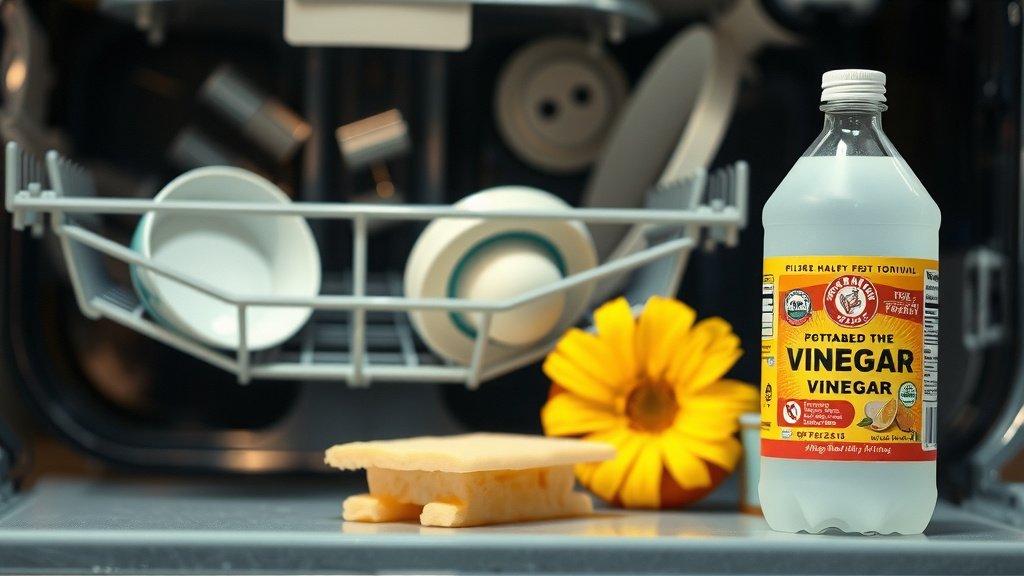
Vinegar vs. Commercial Dishwasher Cleaners
Many commercial cleaners are available. They are designed to tackle similar issues. However, vinegar offers a more **natural and eco-friendly option**. It’s also significantly cheaper. Commercial cleaners can contain harsh chemicals. These might be a concern for some households. Vinegar provides a gentle yet effective alternative.
| Feature | White Vinegar | Commercial Cleaners |
|---|---|---|
| Effectiveness | Good for spots, film, and odors | Varies, often strong on tough grime |
| Cost | Very low | Moderate to high |
| Ingredients | Natural (acetic acid) | Often chemical-based |
| Environmental Impact | Generally low | Can vary |
| Ease of Use | Very simple | Simple, follow instructions |
Your Vinegar Dishwasher Checklist
Ready to give it a try? Here’s a quick rundown to get you started:
- Gather your supplies: white distilled vinegar.
- Locate your dishwasher’s rinse aid compartment.
- Fill the compartment with about 1/4 to 1/2 cup of vinegar.
- Alternatively, pour 1-2 cups into the empty bottom for a deep clean.
- Run your dishwasher as usual.
- Notice the difference in shine and freshness!
Conclusion
You’ve learned that using white vinegar in your dishwasher is a simple, effective, and natural way to achieve cleaner dishes and a fresher-smelling machine. It tackles water spots, mineral buildup, and odors without harsh chemicals. Remember to use plain white distilled vinegar and opt for the rinse aid compartment for daily use or a deep clean cycle for occasional maintenance. Give your dishwasher this eco-friendly boost and enjoy the sparkling results yourself!
Frequently Asked Questions
Can I use apple cider vinegar in my dishwasher?
It’s best to stick with plain white distilled vinegar. Apple cider vinegar, or other colored vinegars, can potentially leave stains or a slight tint on your dishwasher’s interior or your dishes. White vinegar is odorless once dry and highly effective for cleaning.
Will my dishes smell like vinegar after washing?
Most users report that the vinegar smell completely disappears during the rinse and drying cycles. By the time your dishes are ready to be unloaded, any vinegar scent has dissipated, leaving behind only cleanliness and shine.
How often should I add vinegar to my dishwasher?
For the rinse aid compartment, refilling it weekly or every few washes is often sufficient, depending on your water hardness. For a deep clean cycle, performing this every one to three months is a good general guideline.
Is there a risk of damaging my dishwasher with vinegar?
While vinegar is acidic, using it moderately in the rinse aid compartment or for occasional deep cleans is generally considered safe by many users. However, excessive or prolonged direct contact with rubber seals might cause degradation over time; always check your appliance manual.
What’s the main difference between using vinegar and commercial dishwasher cleaners?
Vinegar offers a natural, eco-friendly, and very cost-effective alternative to commercial cleaners. While commercial products may sometimes tackle tougher grime, vinegar is excellent for everyday issues like water spots, film, and odors without introducing harsh chemicals into your home.