Dishwasher Pods and Salt: Do You Need Both
Generally, you do not need to add dishwasher salt when using all-in-one dishwasher pods. Most pods are designed to include rinse aid and salt, offering a convenient “all-in-one” solution for your dishes. If your water is soft, the salt in the pod is often sufficient.
However, if you have hard water, relying solely on pods might lead to less-than-sparkling results. Hard water minerals can leave spots and a film on your glassware. In these cases, adding extra dishwasher salt can significantly improve cleaning performance and protect your dishwasher.
- Most dishwasher pods already contain salt.
- Check your pod packaging to confirm.
- Hard water areas may still benefit from extra salt.
- Using extra salt helps prevent limescale buildup.
- It ensures your dishes come out spotless.
Let’s dive deeper into why this is the case and how to tell if your dishwasher needs that extra boost of salt.
“`htmlYou’re probably wondering if those handy all-in-one dishwasher pods truly cover all your dishwashing needs. It’s a common question, especially when you’re aiming for that perfect, streak-free shine after every cycle.
Do You Need Dishwasher Salt When Using Pods?
Generally, you do not need to add extra dishwasher salt when using all-in-one dishwasher pods. These pods are designed to be a complete solution. They often contain detergent, rinse aid, and even salt. This means they should handle most of your dishwashing tasks.
Understanding Your Water Hardness
The real key to knowing if you need extra salt lies in your home’s water. Water hardness refers to the mineral content, primarily calcium and magnesium. You can find out your water hardness level through local water utility reports or by purchasing a home testing kit.
Hard water is the main culprit behind spotting and film on your dishes. If your water is soft, the salt included in your pods is usually more than enough. You might not notice any issues at all!
How Hard Water Affects Your Dishwasher
When you have hard water, those minerals don’t just disappear. They can stick to your dishes, leaving behind white spots and a cloudy film. Think of it like leaving water spots on your car after it dries. This is especially noticeable on glassware and dark items.
These minerals can also build up inside your dishwasher over time. This buildup, known as limescale, can clog pipes and damage heating elements. It’s like plaque building up in your pipes – not good for longevity!
What’s Inside Those All-in-One Pods?
Let’s break down what makes those pods so convenient. Most “all-in-one” or “multi-tabs” pods are packed with several cleaning agents:
- Detergent: This is the main cleaner that tackles food particles and grease.
- Rinse Aid: This helps water sheet off your dishes, reducing drying time and preventing spots.
- Salt: This component is specifically designed to combat the effects of hard water.
The packaging usually tells you if the pods contain these extras. Always check the label before assuming!
When Pods Might Not Be Enough: The Hard Water Challenge
Even with pods that claim to have salt, hard water can sometimes overpower their effectiveness. If you’re seeing consistent problems, even with all-in-one pods, your water might be unusually hard. This is where that extra dishwasher salt can make a big difference.
Signs Your Dishwasher Needs More Salt (Even with Pods)
Are your dishes coming out less than perfect? It might be time to investigate. Here are some common signs:
- Spots and Film on Glassware: This is the most tell-tale sign of hard water minerals. Your glasses look foggy, not crystal clear.
- White Residue on Utensils: Your silverware might have a chalky coating.
- Reduced Cleaning Performance: Food stains aren’t being removed as effectively as they used to be.
- Limescale Buildup: You might see white, chalky deposits inside your dishwasher tub or on the heating element.
If you’re nodding along to these, it’s a strong indicator that your dishwasher needs a little extra help. This doesn’t mean the pods are bad; it just means your environment is tough!
How Dishwasher Salt Works Its Magic
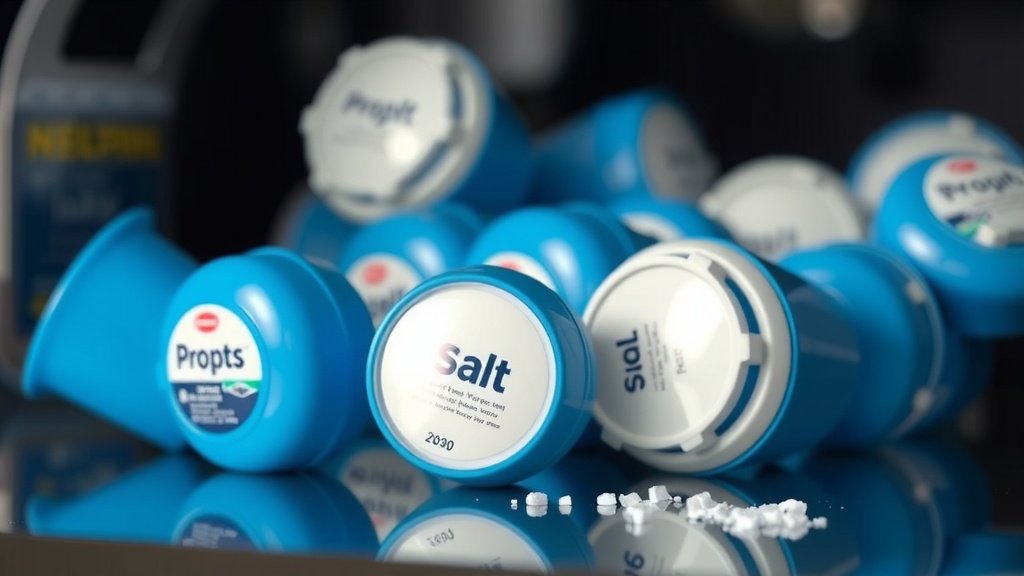
Dishwasher salt isn’t like table salt. It’s pure, coarse salt specifically made for dishwashers. Its main job is to recharge the water softener unit inside your machine. This unit uses ion exchange to remove those pesky hardness minerals from the water before it hits your dishes. Dishwasher salt is pure and coarse, designed to recharge the water softener. Learn what dishwasher salt does.
Think of the salt as the fuel for your dishwasher’s built-in water softener. Without enough fuel, the softener can’t do its job properly. So, even if the pods have a little bit of salt, it might not be enough to keep the softener unit running optimally in very hard water.
The Role of the Water Softener Unit
Most modern dishwashers have a small compartment for dishwasher salt. This compartment is linked to an internal water softener. When you add salt, it fills this softener bed.
During the wash cycle, hard water passes through the salt-filled softener. The salt helps remove the calcium and magnesium ions, replacing them with sodium ions. This softened water is then used for washing and rinsing. Afterwards, the softener is rinsed with brine (a salty water solution) to flush out the captured minerals, preparing it for the next cycle.
When to Consider Adding Extra Salt
If your water hardness is high, your dishwasher may require regular replenishment of its salt reservoir. Even if your pods contain salt, this might be a low concentration. It’s like trying to make a strong cup of coffee with just a tiny pinch of grounds – it won’t be potent enough!
Checking Your Dishwasher’s Salt Indicator
Many dishwashers have a salt indicator light on the control panel. If this light is on, it’s a clear sign that the salt reservoir is low and needs refilling. Don’t ignore this warning!
The frequency of this light appearing depends on your water hardness and how often you run the dishwasher. In very hard water areas, you might need to top up the salt monthly or even more often. We found that in some regions, daily dishwasher use in hard water areas requires salt refills every 2-4 weeks (Good Housekeeping).
How to Add Dishwasher Salt Correctly
Adding salt is simple. First, locate the salt compartment. It’s usually at the bottom of the dishwasher tub, under the lower spray arm. Unscrew the cap.
You’ll likely need a funnel, as the salt can spill easily. Fill the compartment with coarse dishwasher salt until it’s full. Some water might be in the compartment already; that’s normal. Screw the cap back on tightly. Run a rinse cycle or a short wash program afterwards to help the salt dissolve and flush out any excess.
A Simple Checklist for Dishwasher Salt Use
To help you decide if you need that extra salt, consider this quick checklist:
- Confirm your water hardness: Is it soft, medium, or hard?
- Check your pod packaging: Do they explicitly state they contain salt?
- Observe your dishes: Are you seeing spots or film?
- Look for the salt indicator light: Is it illuminated on your machine?
- Consider your location: Are you known to be in a hard water area?
If you answered “yes” to spotting/film or the salt light is on, adding dishwasher salt is a smart move, even with pods.
“`Conclusion
Ultimately, whether you need extra dishwasher salt with your pods depends on your water. Most all-in-one pods do contain salt, which is often enough for soft water. But if you live in a hard water area and notice spots or film on your dishes, adding separate dishwasher salt is your best bet. This small step can significantly improve your dishwasher’s performance and protect it from limescale buildup. Check your dishwasher’s salt indicator light and observe your dishes – if there are signs of hard water issues, fill that salt reservoir and enjoy sparkling clean results!
Frequently Asked Questions
My dishwasher pods say “all-in-one.” Does that always mean they have enough salt?
While “all-in-one” pods usually contain salt, the amount might not be sufficient for very hard water. These pods aim for convenience, but extreme water conditions can sometimes require a dedicated salt refill. Always check the packaging for specifics.
How often should I check the salt level in my dishwasher if I use pods?
If your dishwasher has a salt indicator light, pay attention to it. In hard water areas, you might need to refill the salt compartment every 2-4 weeks, even with pods. For softer water, you may rarely need to add salt.
Can I use regular table salt in my dishwasher instead of dishwasher salt?
No, you should never use regular table salt. Dishwasher salt is pure and coarse, designed to dissolve properly without damaging your dishwasher’s internal components. Table salt contains additives that can cause clogs and corrosion.
What if my dishwasher doesn’t have a salt indicator light? How do I know if it needs salt?
If your dishwasher lacks a salt indicator light, look for signs on your dishes and inside the machine. White spots, film on glassware, or reduced cleaning power are strong indicators of hard water issues. These suggest you might need to add dishwasher salt.
Does adding extra dishwasher salt with pods affect the detergent or rinse aid in the pod?
Adding dishwasher salt to the dedicated salt compartment does not interfere with the detergent or rinse aid components already in your pods. The salt works with the dishwasher’s internal water softener, a separate system from the wash and rinse cycles managed by the pod.