Do Dishwashers Actually Sanitize Dishes For You
Yes, your dishwasher can effectively sanitize your dishes, killing most germs and bacteria. This is primarily due to the high temperatures used during the wash and rinse cycles, often exceeding what you can comfortably handle with your hands. Proper use and maintenance ensure your dishwasher performs its sanitizing duty well.
Most modern dishwashers are designed to reach temperatures that are hot enough to kill common household germs. The drying cycle also contributes by using heat to evaporate remaining moisture, making it harder for bacteria to grow. So, while not every single microbe might vanish, it gets your dishes remarkably clean and safe.
- Dishwashers use high heat to kill germs.
- Rinse cycles and drying also help sanitize.
- Check your dishwasher’s manual for sanitizing features.
- Regular cleaning keeps your dishwasher working effectively.
Let’s dive into how your dishwasher achieves this and what you can do to make sure it’s always working its best for your family.
How Your Dishwasher Achieves Sanitized Dishes
Your dishwasher can absolutely sanitize dishes, effectively killing most germs. This happens primarily through the high temperatures it uses. These temperatures are often much hotter than you could comfortably touch. So, yes, your machine is a germ-fighting powerhouse! The drying cycle also contributes by using heat to evaporate remaining moisture, making it harder for bacteria to grow, and heated drying can boost sanitizing power.
The Power of Heat: Hot Water and Steam
The secret weapon in your dishwasher’s arsenal is heat. During the wash cycle, water can reach temperatures around 120-150°F (49-65°C). This is hot enough to loosen food particles and begin the cleaning process. But the real sanitizing magic happens during the rinse cycle.
Sanitize Rinse Cycle Temperatures
Many dishwashers have a specific “sanitize” option. When you select this, the final rinse water is heated to at least 150°F (66°C). Some models can even reach 160°F (71°C). According to the U.S. Centers for Disease Control and Prevention (CDC), water at these temperatures is effective at killing many common household germs and bacteria.
What About Models Without a Sanitize Button?
Don’t worry if your dishwasher doesn’t have a dedicated “sanitize” button. Most modern dishwashers are designed to reach high temperatures during their normal cycles, especially the hot water wash and high-temperature rinse options. Always check your appliance manual. It will usually specify the temperatures your dishwasher can achieve.
The Role of Detergents and Drying
Heat isn’t the only factor. The detergents used in dishwashers are formulated to help break down grease and food. They also contain agents that can aid in cleaning and sanitizing. After the hot rinse, the drying cycle also plays a part. Many dishwashers use heated drying, which further reduces moisture. Bacteria need moisture to thrive, so a dry surface is less hospitable to them.
Making Sure Your Dishwasher is Doing Its Best Work
For your dishwasher to properly sanitize, it needs a little help from you. It’s not just about pressing a button. A few simple steps can ensure your dishes are coming out clean and safe.
Choosing the Right Cycle and Options
Always consider the soil level on your dishes. For heavily soiled items, a normal or heavy-duty cycle is best. If sanitizing is your top priority, look for a cycle that explicitly mentions high temperatures or a sanitize rinse. Using a heated dry option can also boost sanitizing power.
Understanding Different Cycles
Normal cycles are for everyday loads. Heavy-duty cycles are for baked-on food. Quick wash cycles are for lightly soiled dishes you need fast. For sanitizing, you’ll want a cycle that prioritizes heat and duration. Some advanced models even have specific “sanitize” or “baby care” cycles designed for maximum germ elimination.
Loading Your Dishwasher Correctly
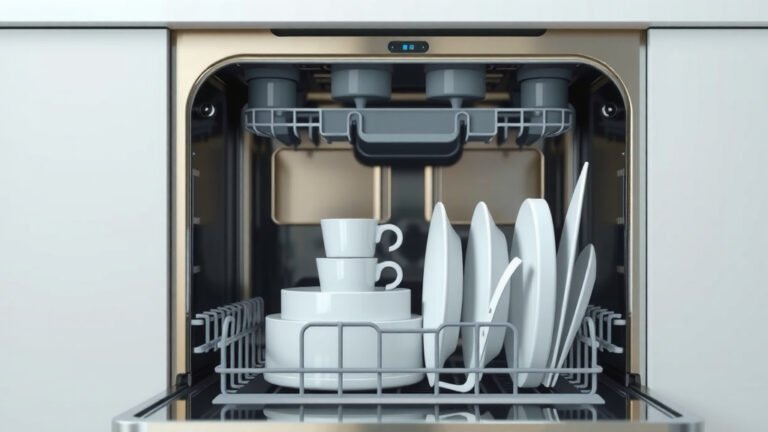
Proper loading is key. If dishes are too close together or blocking the spray arms, the hot water and detergent won’t reach all surfaces effectively. Ensure that water can spray freely around every item. Don’t pre-rinse dishes excessively; modern detergents need some food soil to work properly.
Tips for Optimal Loading
- Face dirtiest surfaces towards the spray arms.
- Don’t let items nestle together.
- Ensure large items don’t block the spinning of the upper spray arm.
- Place plastics on the top rack, as they can warp on the bottom.
The Importance of Regular Cleaning and Maintenance
Just like any appliance, your dishwasher needs to be kept clean to function at its best. Food debris and hard water minerals can build up over time. This buildup can clog spray arms and filters, reducing cleaning and sanitizing performance.
Cleaning Your Dishwasher’s Filter
Most dishwashers have a filter, usually at the bottom of the tub. This traps food particles. It’s essential to clean this filter regularly, often weekly or bi-weekly depending on your usage. A clogged filter means dirty water recirculates, and germs can be spread.
Running a Cleaning Cycle
You can run an empty hot cycle with a dishwasher cleaner or a cup of white vinegar placed on the top rack. This helps to descale the interior, remove odors, and clean internal components. Doing this once a month can keep your machine running smoothly and sanitizing effectively.
When to Consider a “Sanitize” Option or Certification
If you have a baby, elderly family members, or immunocompromised individuals in your household, you might be more concerned about sanitization. Many newer dishwashers come with a specific “sanitize” cycle or have earned the ENERGY STAR certification for meeting certain performance standards, which often include sanitizing capabilities.
What ENERGY STAR Certification Means
ENERGY STAR certified dishwashers must meet strict energy efficiency guidelines set by the U.S. Environmental Protection Agency. They also have to perform comparably to their less efficient counterparts in cleaning and drying. Many models with this certification also feature effective sanitizing rinse cycles that meet the NSF/ANSI 184 standard for sanitization.
Understanding NSF/ANSI 184 Certification
The NSF/ANSI 184 certification is a voluntary standard specifically for residential dishwashers. If your dishwasher has this certification, it means it has been tested and verified to reduce the bacterial load on dishes by a significant amount during a specific cycle. This is a good indicator that your dishwasher is indeed sanitizing your dishes effectively.
Are There Times When a Dishwasher Might NOT Sanitize?
While dishwashers are designed for this, a few things can prevent effective sanitization. Using the wrong cycle, improper loading, a clogged filter, or a malfunctioning heating element are common culprits. Also, very low incoming water temperatures can impact the final rinse temperature.
Low Water Temperature Issues
Your dishwasher relies on your home’s hot water supply. If your water heater is set too low, or if you’ve used a lot of hot water just before running the dishwasher, the incoming water might not be hot enough. For effective sanitizing, the water needs to reach those high temperatures we discussed earlier. Many experts recommend setting your water heater to at least 120°F (49°C), but check your dishwasher’s manual for specific recommendations.
Here is a quick checklist to help you ensure your dishwasher is sanitizing effectively:- Use the “sanitize” option or a high-temperature cycle when needed.
- Ensure your home’s hot water heater is set appropriately.
- Load dishes properly so water can reach all surfaces.
- Clean your dishwasher’s filter regularly.
- Run an empty cleaning cycle with vinegar or a dishwasher cleaner monthly.
- Check if your dishwasher has NSF/ANSI 184 certification.
Conclusion
You can count on your dishwasher to get your dishes impressively clean and sanitized. By leveraging high temperatures during its cycles, your appliance effectively eliminates most germs and bacteria. Remember that proper usage, like selecting the right cycle and loading correctly, maximizes its sanitizing power. Regular cleaning of your dishwasher, especially its filter, ensures it continues to perform at its best for your household’s health. For peace of mind, look for NSF/ANSI 184 certification or ENERGY STAR models. Make it a habit to check your filter monthly, and you’ll be well on your way to consistently sanitized dishes.
Frequently Asked Questions
Does a regular dishwasher cycle sanitize dishes?
Most regular dishwasher cycles can sanitize dishes effectively. While a dedicated “sanitize” option uses hotter water (150°F or higher), normal cycles often reach temperatures that kill many common household germs. Checking your dishwasher’s manual will confirm its capabilities.
How hot does dishwasher water need to be to sanitize?
To effectively sanitize, dishwasher rinse water should reach at least 150°F (66°C), with some models reaching 160°F (71°C). This high heat is what kills a significant amount of bacteria and germs on your dishes.
Can I sanitize dishes without a specific “sanitize” button?
Yes, you can! Many dishwashers without a dedicated button still reach sanitizing temperatures during their normal hot wash and rinse cycles. Opting for a heated dry cycle can also improve sanitization by removing moisture where bacteria grow.
Why are my dishes still not feeling sanitized?
Several factors can affect sanitization. Ensure your water heater is set high enough, avoid overloading the dishwasher so water can reach all surfaces, and clean your filter regularly. A malfunctioning heating element could also be an issue.
Should I sanitize baby bottles in the dishwasher?
If your dishwasher has a certified sanitize cycle (NSF/ANSI 184) or reaches the required high temperatures, it can be a good option for sanitizing baby bottles. Always check your bottle manufacturer’s recommendations and your dishwasher’s manual to be sure.