Should You Leave Dishwasher Door Open? The Drying Debate
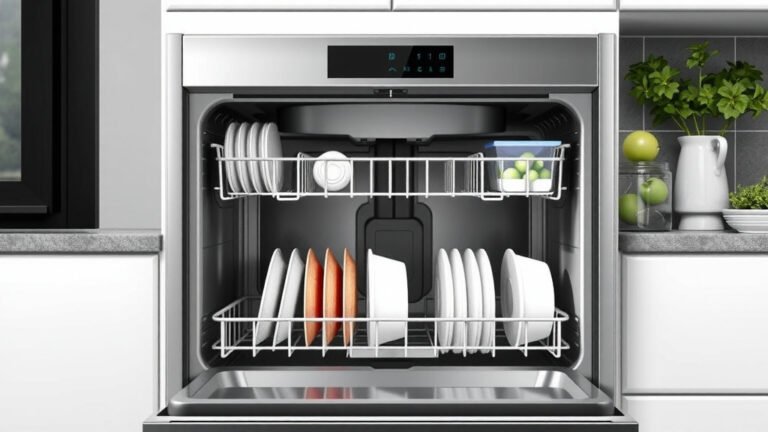
You should not leave your dishwasher door open after a cycle finishes. While it might seem like a good idea to help dishes dry, leaving the door ajar can actually damage your dishwasher and pose a safety hazard.
Many people believe opening the door helps speed up drying. However, research and expert advice suggest this practice can lead to rusting components and even warps in the wood of your surrounding cabinets. It’s a common misconception that can cause more harm than good for your kitchen appliance.
- Leaving the door open can damage your dishwasher.
- It may cause rusting on internal parts.
- Wood cabinets near the dishwasher can warp.
- A closed door is usually best for drying.
Below, we’ll walk through why leaving the dishwasher door open is generally a bad idea and what you can do instead to ensure your dishes dry properly.
Is Leaving Your Dishwasher Door Open a Good Idea?
You might be wondering if leaving your dishwasher door ajar helps dishes dry faster. It’s a common kitchen habit. Many people believe it’s a smart way to air out your wet dishes. However, research and appliance experts often advise against it. Leaving the door open can cause more problems than it solves for your appliance and your kitchen.
Why You Shouldn’t Leave the Dishwasher Door Open
Let’s look at the reasons why keeping that dishwasher door shut is usually the better choice. It’s not just about aesthetics; it’s about protecting your investment and your home.
Potential Damage to Your Dishwasher
Your dishwasher is designed to work as a sealed unit during its cycle. When you open the door mid-cycle or leave it open afterward, you disrupt this. This can affect the machine’s performance over time. It’s like leaving a refrigerator door open; it makes the appliance work harder.
Moisture and Electronics
Dishwashers contain sensitive electronic controls. Steam and moisture escaping from an open door can reach these components. Over time, this can lead to corrosion. It might cause malfunctions or even shorten the lifespan of your dishwasher’s control panel. We found that consistent exposure to moisture is a primary cause of electronic failure in appliances (Consumer Reports).
Rusting Internal Components
The interior of a dishwasher is a damp environment, even when the cycle is finished. Leaving the door open allows this moisture to linger and evaporate slowly. This constant dampness can lead to rust forming on metal parts. Think about the racks, the spray arms, or even the heating element. Rust can weaken these parts and affect their function.
Risks to Your Kitchen Cabinets
This might surprise you, but leaving the dishwasher door open can harm your kitchen cabinets. The steam that escapes isn’t just water vapor; it’s hot and humid. This moist air rises.
Warping Wood
If your dishwasher is installed under wooden countertops or next to wooden cabinets, that rising steam can cause damage. Wood is sensitive to moisture. Prolonged exposure to humid air can cause the wood to swell and warp. This can lead to costly repairs or even necessitate cabinet replacement. Many cabinet makers warn about the effects of steam on wood finishes (Woodworking Magazine).
Finish Degradation
Beyond warping, the heat and moisture can also degrade the finish on your cabinets. You might notice peeling paint or discoloration around the dishwasher opening. It’s like a mini sauna for your cabinets, but not in a good way!
Are There Any Times It’s Okay to Open the Door?
While generally not recommended, there are a couple of scenarios where opening the door briefly might be considered.
Unloading Promptly
The best practice is to unload your dishwasher shortly after the cycle finishes. This allows you to remove dishes while they are still warm and dry. If you can’t get to it right away, and your dishes are still quite wet, opening the door for a short period might help them air dry. However, do this for only a few minutes.
When Your Dishwasher Doesn’t Dry Well
Some older dishwashers or models without effective drying systems might leave dishes quite wet. In these cases, a quick opening might be a temporary fix. But if this is a persistent problem, there might be other solutions to explore.
Better Ways to Ensure Your Dishes Dry
Instead of leaving the door open, which can cause damage, consider these effective methods for ensuring your dishes come out dry and sparkling. Instead of leaving the door open, which can cause damage, consider these effective methods for ensuring your dishes come out dry and sparkling.
Utilize Your Dishwasher’s Drying Features
Modern dishwashers have built-in drying functions. These are designed to dry dishes efficiently without causing harm.
Heated Dry Option
Many dishwashers have a heated dry setting. This uses a heating element at the bottom of the tub to warm the air and evaporate moisture. Ensure this option is selected if your machine has it.
Sanitize Rinse
Some models offer a sanitize rinse option. This uses very hot water at the end of the cycle. The high heat helps water evaporate quickly. It also kills more bacteria.
Fan Drying
More advanced dishwashers use a fan to circulate air. This helps to wick away moisture from your dishes. It’s a gentler drying method that avoids excessive heat.
Proper Loading Techniques Matter
How you load your dishwasher can significantly impact drying. If items are blocking water or air flow, they won’t dry well.
Don’t Overload
Packing too many dishes into the machine prevents water from reaching all surfaces. It also obstructs air circulation. Give your dishes some breathing room.
Angle Plastics
Plastic items tend to hold water more than ceramic or glass. Try to angle them so water can run off. Place them on the top rack where they are less likely to collect pools of water.
Face “Drunk” Items Down
Any cups, bowls, or containers that could collect water should be placed upside down or at an angle. This way, water doesn’t pool in them. Think of them as little upside-down umbrellas!
Rethink Your Rinse Aid
Rinse aid is a powerful tool in your dish-drying arsenal. It’s specifically designed to help water sheet off dishes. This reduces water spots and speeds up drying.
How Rinse Aid Works
Rinse aid lowers the surface tension of water. This means water doesn’t cling to your dishes. Instead, it rolls off in thin sheets. This helps them dry faster and look shinier. Most experts agree that using rinse aid is essential for optimal drying (Appliance Manufacturer Association).
When to Refill
Check your dishwasher’s dispenser regularly. Most have a small indicator light. If you notice your dishes aren’t drying as well, the rinse aid dispenser might be empty. Refilling it is a simple fix.
Maintain Your Dishwasher
A well-maintained dishwasher functions better. This includes drying performance.
Clean the Filter
A clogged filter can impede water flow and drainage. This can leave dishes wet. Clean your dishwasher filter regularly. Check your manual for instructions on how to do this.
Check the Door Seal
A worn or damaged door seal can allow air and heat to escape during the wash cycle. This can affect drying. Inspect the seal for any cracks or debris.
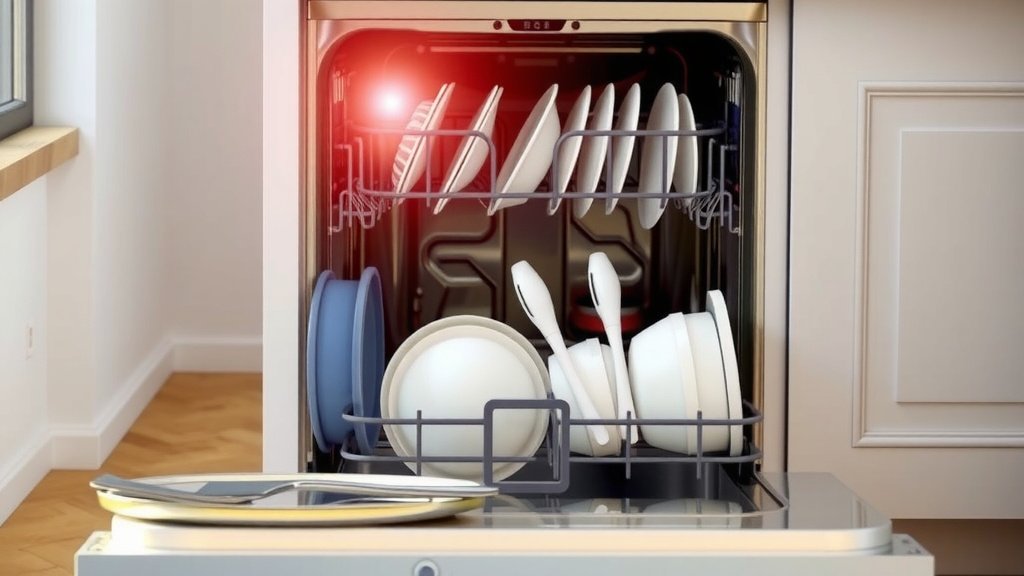
The Verdict: Keep That Door Closed!
While the instinct to air out your dishes after a wash is understandable, leaving the dishwasher door open generally isn’t the best approach. It can lead to rust, damage electronics, and even harm your cabinets. Instead, rely on your dishwasher’s designed drying features, load it correctly, use rinse aid, and keep it maintained. These methods will help ensure your dishes come out clean and dry, all while protecting your kitchen and your appliance.
Quick Checklist: Ensuring Dry Dishes Safely
- Use your dishwasher’s heated dry or fan dry setting.
- Ensure rinse aid dispenser is full.
- Load dishes so water and air can circulate freely.
- Angle plastic items and containers to allow water runoff.
- Clean your dishwasher’s filter regularly.
- Unload dishes promptly after the cycle finishes.
Conclusion
While the instinct to air out your dishes after a wash is understandable, leaving the dishwasher door open generally isn’t the best approach. It can lead to rust, damage electronics, and even harm your cabinets. Instead, rely on your dishwasher’s designed drying features, load it correctly, use rinse aid, and keep it maintained. These methods will help ensure your dishes come out clean and dry, all while protecting your kitchen and your appliance. Make sure you’re using the features your dishwasher offers for the best results.
Frequently Asked Questions
Can leaving my dishwasher door open cause a fire hazard?
While not a direct fire hazard, leaving the door open can expose electrical components to excess moisture over time. This can lead to corrosion and potential malfunctions that might, in rare cases, contribute to electrical issues. Always ensure your dishwasher is in good working order and follow manufacturer guidelines.
How long is it safe to leave the dishwasher door open?
If you must open the door briefly after a cycle for dishes to air dry, aim for just a few minutes. Prolonged exposure to the moist air can still lead to cabinet damage. It’s best to unload promptly or rely on the dishwasher’s built-in drying functions.
Will leaving the door open help my dishwasher dry better?
In most modern dishwashers, leaving the door open is counterproductive for drying. The machine’s internal drying mechanisms are designed to work best when the door is closed. Opening it can disrupt the heat or airflow needed for efficient drying and may allow moisture to escape.
Is it safe to leave plastic dishes in the dishwasher after a cycle?
Plastic items often retain moisture longer than glass or ceramic. Leaving them in a closed dishwasher with drying features or a quick rinse aid application often works best. If you find plastics consistently wet, try angling them on the top rack to encourage water runoff.
My dishwasher doesn’t dry well. Should I leave the door open?
If your dishwasher isn’t drying dishes effectively, leaving the door open is a temporary fix. It’s better to investigate the root cause. Check your rinse aid levels, ensure proper loading, clean the filter, and consider if your dishwasher’s drying elements are functioning correctly. Consult your manual or a technician if problems persist.