All-in-One Dishwasher Tablets: Do You Need Rinse Aid
No, you generally do not need to add separate rinse aid when using all-in-one dishwasher tablets. These tablets are designed to contain multiple cleaning agents, including rinse aid properties, to simplify your dishwashing routine.
All-in-one tablets aim to provide a complete solution for your dishwasher. They often include detergent, salt, and rinse aid in one convenient package. This means you can often skip adding extra products, making for a simpler, more efficient wash.
- All-in-one tablets usually include rinse aid.
- You typically don’t need separate rinse aid.
- Check your tablet packaging to be sure.
- Some dishwashers have a rinse aid indicator.
But what if you’re still seeing spots? Let’s walk through when you might need a top-up and how to tell if your all-in-one is doing its job.
So, you’ve got those handy all-in-one dishwasher tablets. They promise a sparkling clean with minimal fuss. But the question lingers: do you really need to fill that little rinse aid dispenser? Let’s clear the air on this common dishwashing dilemma.
When to Skip Separate Rinse Aid with All-in-One Tablets
The short answer is usually no. All-in-one tablets are designed as a complete package deal. They typically contain everything your dishwasher needs for a good wash cycle. This often includes detergent, a water softener, and yes, rinse aid.
Think of them like a pre-packaged meal. All the ingredients are already in the box. You don’t usually need to add extra salt or spices. The same logic applies to these tablets. They aim to cover all the bases in one go.
Manufacturers include rinse aid properties directly in the tablet. This is part of what makes them convenient. It means you can often skip the extra step of refilling your rinse aid compartment. This saves you time and ensures you don’t accidentally run out.
Understanding What’s Inside All-in-One Tablets
These multi-tasking tablets are quite clever. They’re formulated to dissolve at different stages of the wash cycle. This releases their various components at just the right time.
The Three Main Players
Most all-in-one tablets contain three key elements:
- Detergent: This is the main cleaning agent. It tackles food particles and grease.
- Salt (or Water Softener): Hard water can leave spots and film. This ingredient helps combat that.
- Rinse Aid: This is the critical component we’re discussing. It helps water sheet off your dishes.
The rinse aid component works by reducing the surface tension of water. This allows water to run off dishes more easily. It prevents those annoying water droplets from forming and drying. The result? Shinier, spot-free dishes.
Because the rinse aid is already in the tablet, your dishwasher should dispense it automatically. You don’t need to manually add more. It’s all handled for you!
When Might Your All-in-One Tablet *Not* Be Enough?
While all-in-one tablets are fantastic, they aren’t always a magic bullet. Sometimes, you might still notice streaks or spots. Several factors can contribute to this. Understanding these can help you decide if you need to supplement.
Hard Water Woes
If you live in an area with very hard water, even the built-in rinse aid might struggle. Hard water has a high mineral content. These minerals can leave behind chalky deposits. They can cause spots on your glasses and dull your silverware.
Some experts suggest that in extremely hard water conditions, a little extra help might be beneficial (Cleveland Clinic). If you’ve checked everything else and still see spots, consider trying a separate rinse aid. You can add it to your dispenser just like you would normally.
Your Dishwasher’s Settings Matter
Modern dishwashers often have settings related to water hardness and rinse aid usage. If your dishwasher has a specific setting for “all-in-one tablets,” make sure it’s activated. This tells the machine to rely on the tablet’s components and potentially disable its own rinse aid dispenser.
If you don’t have this setting, you might need to adjust your dishwasher’s water hardness level. Ensure it’s set appropriately for your local water conditions. A correctly calibrated dishwasher works better with all-in-one products.
Tablet Quality and Age
Not all all-in-one tablets are created equal. Some brands might use less effective rinse aid formulas. Others can lose their potency over time, especially if stored improperly. Ensure you’re using a reputable brand and store your tablets in a cool, dry place.
We’ve found that older tablets can sometimes underperform. Their active ingredients can degrade. If your tablets have been in the cupboard for a while, they might not be as effective. Try a fresh pack to see if that makes a difference.
Machine Maintenance and Load Size
A dishwasher needs to be clean to work its best. Food debris can clog spray arms. Mineral buildup can affect performance. Regularly cleaning your dishwasher filters and spray arms is essential. This ensures proper water flow and detergent distribution.
Also, consider how you load your dishwasher. Overcrowding can block water jets. This prevents dishes from getting fully clean and dry. Ensure dishes are spaced out properly. This allows water and rinse aid to reach all surfaces.
How to Tell if Your All-in-One Tablet is Working
The easiest way to know is by looking at your dishes after a cycle. Are they coming out spot-free and shiny? Are they drying properly?
Visual Clues to Watch For
Here are some signs that your all-in-one tablet is doing its job:
- No water spots: Glasses and cutlery should look clear and free of white or cloudy marks.
- Shiny surfaces: Metal items should gleam, not look dull.
- Quick drying: Dishes should dry relatively quickly without excessive water residue.
- No film: There shouldn’t be a greasy or chalky film left on anything.
If you’re seeing these results consistently, then your all-in-one tablets are likely sufficient. You probably don’t need extra rinse aid. You’re all set!
When to Consider a Separate Rinse Aid: A Quick Checklist
Sometimes, you might need a little extra boost. Ask yourself these questions:
- Am I noticing stubborn water spots on my glasses?
- Do my dishes still look wet after the drying cycle?
- Is my dishwasher’s water hardness setting correct?
- Have I tried a new, reputable brand of all-in-one tablets recently?
- Is my dishwasher clean and free of clogs?
If you answered “yes” to a few of these, it might be time to experiment. Try adding a little rinse aid to your dispenser. See if it improves your results. It’s often a simple fix.
Understanding Your Dishwasher’s Rinse Aid Indicator
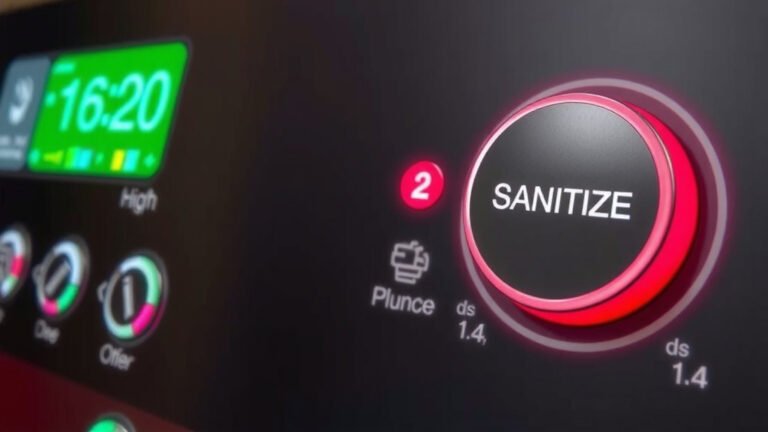
Many dishwashers have a small light or symbol that indicates the rinse aid level. This light usually means the dispenser is running low on rinse aid.
What the Indicator *Really* Means with All-in-One Tablets
When using all-in-one tablets, this indicator can be a bit confusing. Some dishwashers are smart enough to know you’re using all-in-one. They might ignore the rinse aid sensor. Others might still light up, even if the rinse aid compartment is technically empty.
This happens because the dishwasher is designed to dispense rinse aid from that specific compartment. It doesn’t always know if the rinse aid is coming from the tablet itself. If your rinse aid light is on, but your dishes are coming out perfectly clean, you can often safely ignore the light.
However, if you are experiencing spotting or poor drying, and the light is on, it’s a good clue. It suggests that either the rinse aid in your tablet isn’t sufficient for your water conditions, or the compartment itself needs attention. In such cases, refilling the rinse aid dispenser is a good troubleshooting step.
| Scenario | Recommendation | Reasoning |
|---|---|---|
| Perfectly clean, dry dishes | Continue using only all-in-one tablets. | The tablet’s components are working effectively. |
| Stubborn spots or streaks on dishes | Consider adding separate rinse aid. | May indicate hard water or insufficient rinse aid in the tablet. |
| Dishes still wet after drying cycle | Consider adding separate rinse aid. | Rinse aid helps water sheet off, improving drying. |
| Very hard water in your area | Consider adding separate rinse aid. | Hard water minerals can overpower the tablet’s built-in solution. |
| Dishwasher rinse aid indicator is lit, AND poor results | Refill rinse aid dispenser. | The machine may be signaling a need, and results confirm it. |
| Dishwasher rinse aid indicator is lit, BUT results are perfect | Monitor, but likely not needed. | Dishwasher may not detect rinse aid from the tablet. |
Ultimately, the best indicator is the performance of your dishwasher. If your dishes are coming out spotless and dry, you’re likely good to go with just the all-in-one tablets. If not, a little extra rinse aid might be the simple solution you need.
Conclusion
You’ve learned that for most situations, all-in-one dishwasher tablets mean you can ditch the separate rinse aid. These clever tablets pack detergent, salt, and rinse aid into one convenient package. This simplifies your routine and gets your dishes sparkling. However, if you have very hard water or notice persistent spots, a little extra rinse aid in your dispenser can be a simple fix. Always check your dishes first – if they look clean and dry, your all-in-one is likely doing its job perfectly!
Frequently Asked Questions
Will my dishwasher still dispense rinse aid if I use all-in-one tablets?
Some dishwashers can detect if you’re using all-in-one tablets and adjust accordingly. Others might not recognize the rinse aid from the tablet. They may continue to try and dispense from the compartment, even if it’s empty. This is why your rinse aid light might still come on.
My rinse aid light is on, but my dishes are clean. What should I do?
If your dishes are coming out spotless and dry, you can likely ignore the rinse aid light. It’s a common quirk when using all-in-one tablets. The light might simply mean the dispenser is empty, not that you actually need more rinse aid for your wash results.
How often should I check my rinse aid level when using all-in-one tablets?
You don’t need to check it as often as you would if you weren’t using all-in-one tablets. If your dishes are consistently clean and spot-free, you might never need to refill it. Only consider checking or refilling if you start seeing poor drying or spotting issues.
Can I mix brands of all-in-one tablets and separate rinse aid?
Yes, you can. If you find your current all-in-one tablets aren’t quite cutting it, especially in hard water areas, adding a separate rinse aid is perfectly fine. Just use a reputable brand and add it to your dishwasher’s rinse aid dispenser as usual.
What’s the difference between the salt and rinse aid in all-in-one tablets?
The salt component in all-in-one tablets helps soften the water by removing minerals. Rinse aid, on the other hand, reduces water’s surface tension. This helps water sheet off dishes, preventing spots and improving drying time for a shinier finish.