
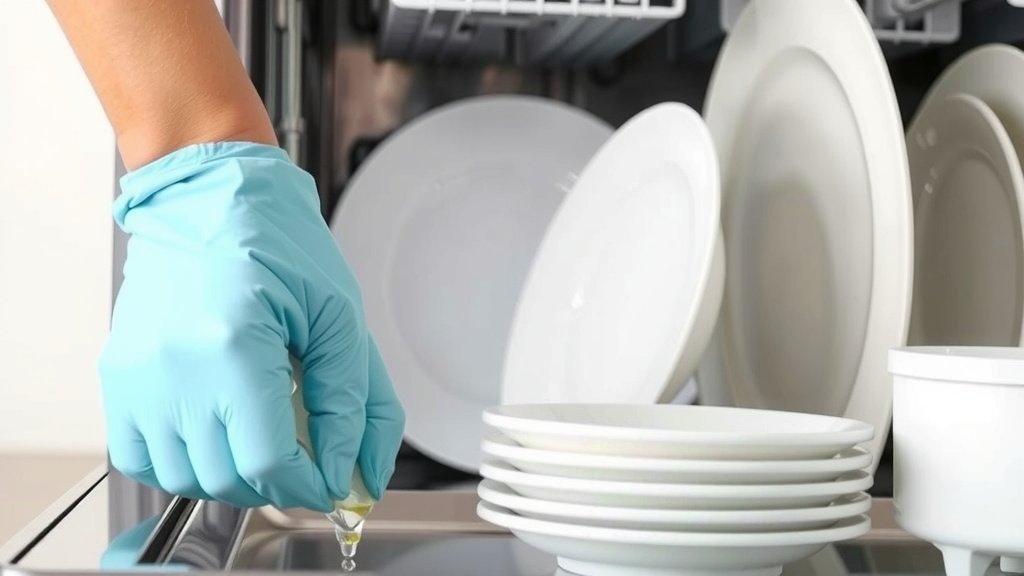
Fix Dishwasher Grit: Simple Solutions for Sparkling Dishes
Your dishwasher leaving grit on your dishes is usually a sign of a clogged filter or a problem with the water jet arms. Don’t worry, this is a common issue that’s often easy to fix yourself. We’ll help you get your dishes sparkling clean again.
This frustrating grit can also stem from using the wrong detergent or simply overloading the machine. Many people struggle with this, but understanding the causes is the first step to solving it. We’ve gathered common reasons and practical solutions.
- Check your dishwasher’s filter for blockages.
- Ensure water jet arms can spin freely.
- Use the correct amount and type of detergent.
- Avoid packing your dishwasher too tightly.
Below, we’ll walk you through exactly what might be causing that gritty residue and how to banish it for good.
It’s incredibly frustrating when you pull your dishes out of the dishwasher, expecting them to be sparkling, only to find a gritty, powdery film clinging to them. You’re not alone in this! This is a super common dishwasher problem that many homeowners face. The good news is, we’ve gathered the most frequent culprits and easy fixes to get your dishes clean again.
Troubleshooting Gritty Dishes from Your Dishwasher
Don’t toss those dishes just yet! Let’s figure out why your dishwasher is leaving that annoying grit behind.
The Dirty Dishwasher Filter: The Usual Suspect
If your dishwasher is leaving grit, the most common cause is a clogged filter. Think of your dishwasher filter like the lint trap in your dryer. It catches food particles and debris. When it gets too full, dirty water can’t drain properly. This means that grit gets redeposited onto your dishes.
Locating and Cleaning Your Filter
Most modern dishwashers have a filter at the bottom of the tub. You’ll usually find it under the lower spray arm. Consult your dishwasher’s manual if you’re unsure of its exact location. Many filters are designed for easy removal. You can typically twist them out. Once removed, rinse it under hot running water. You might need a soft brush to gently scrub away any stuck-on gunk. After cleaning, make sure to put it back securely.
How Often Should You Clean It?
We recommend cleaning your dishwasher filter at least once a month. If you tend to run a lot of loads or wash heavily soiled dishes, you might need to clean it more often. It’s a simple task that makes a huge difference. You’ll notice cleaner dishes almost immediately.
Water Jet Arms: Blocked or Broken?
Your dishwasher’s jet arms are responsible for spraying water onto your dishes. If they can’t spin freely or are blocked, water won’t reach all parts of the dishes effectively. This can leave behind food particles and detergent residue.
Checking the Spray Arms
First, check if the spray arms can spin by hand. If they’re stiff or don’t move, there might be something obstructing them. Sometimes, larger food particles can get lodged in the arm’s holes. Look for any visible blockages. You can often clear these with a toothpick or a small, sharp object. Be gentle to avoid damaging the arm.
Are the Holes Clogged?
The small holes in the spray arms can also become clogged with mineral deposits or bits of food. If you notice this, you can try soaking the spray arms in a bowl of vinegar overnight. Vinegar is a great natural cleaner for dissolving mineral buildup. Rinse them thoroughly afterward.
When to Consider Replacement
If the spray arms are cracked, broken, or severely damaged, they may need to be replaced. Your dishwasher’s manual will have information on ordering replacement parts. A damaged spray arm can significantly reduce cleaning performance.
Detergent Dilemmas: Using the Right Stuff
The type and amount of detergent you use play a big role in how clean your dishes come out. Using the wrong kind or too much can cause problems like a gritty residue.
Choosing the Right Dishwasher Detergent
There are different types of dishwasher detergents: powders, gels, and pods. Pods are often the most convenient and pre-measured, which helps prevent overuse. If you use powder or gel, be sure to follow the manufacturer’s recommended amount. Too much detergent can lead to a cloudy film or residue.
Are You Using Enough Rinse Aid?
Rinse aid is a liquid that helps water sheet off your dishes, promoting faster drying and preventing spots. It also helps to reduce that gritty feeling. Many people skip the rinse aid, but it’s really important for a good finish. Most dishwashers have a dispenser for rinse aid. Keep it topped up. You’ll usually see a indicator light when it’s running low.
Loading Mistakes That Lead to Grit
How you load your dishwasher can impact its cleaning power. Overcrowding is a common mistake that leads to dishes not getting properly cleaned.
Don’t Pack It Too Tightly!
When you overload the dishwasher, you prevent water and detergent from reaching all the surfaces. Dishes need space to allow the spray arms to do their job effectively. Make sure that nothing is blocking the spray arms from spinning. Give items some breathing room. Items should not be touching each other too much.
Proper Placement Matters
Place larger items, like pots and pans, on the bottom rack. Ensure they don’t block the detergent dispenser or the lower spray arm. On the top rack, place smaller items like cups, glasses, and bowls. Make sure they are facing downwards so they can fill with water and drain properly. This simple arrangement helps water circulate better.
Here’s a quick checklist to help you banish that gritty residue:
- Clean your dishwasher filter regularly.
- Ensure your spray arms can spin freely.
- Use the correct amount and type of detergent.
- Keep your rinse aid dispenser filled.
- Avoid overcrowding your dishwasher.
- Position dishes so water can reach all surfaces.
Hard Water and Dishwashers
Living in an area with hard water can contribute to grit. Hard water has a high mineral content. These minerals can leave a white, chalky residue on your dishes and inside your dishwasher. Over time, this buildup can affect cleaning performance.
What Can You Do About Hard Water?
Many dishwasher detergents are formulated to handle hard water. Look for detergents that specifically mention being good for hard water conditions. Using a rinse aid is also very important, as it helps combat the effects of mineral buildup. Some areas may even benefit from a dishwasher cleaner designed to descale the machine. A water softener for your home’s entire water supply is another option, though this is a more significant investment.

Is Your Water Temperature Too Low?
Dishwashers rely on hot water to effectively dissolve grease and food particles. If your water heater is set too low, or if your dishwasher isn’t heating the water sufficiently, your dishes might not get clean. Many experts suggest a water temperature of at least 120°F (49°C) for optimal dishwasher performance (Cleveland Clinic).
Checking Your Water Heater Setting
You can check your water heater’s thermostat. Be cautious when adjusting it, as excessively high temperatures can pose a burn risk. Ensure your dishwasher’s temperature settings are also appropriate, if applicable. Some dishwashers have built-in heaters that boost the water temperature during the wash cycle.
Running the Hot Water Before Starting
A simple trick is to run the hot water at your kitchen sink for a minute or two before starting the dishwasher. This ensures that hot water is immediately available to the dishwasher, rather than the machine having to heat up cooler water from the pipes. This can make a noticeable difference in cleaning power.
Conclusion
Seeing grit on your clean dishes is certainly frustrating, but you now have the tools to tackle it! We’ve covered the most common culprits, from a simple clogged filter to the importance of proper loading and detergent use. You’ve learned how to clean your filter, check your spray arms, and even why rinse aid and water temperature matter.
The good news is that most gritty dish issues are easily fixed with regular maintenance. Take a moment to check your filter this week, and make a habit of these simple checks. Your dishes will thank you with a sparkling shine!
Frequently Asked Questions
Why are my dishes still gritty after running the dishwasher?
This usually points to a maintenance issue. A clogged filter is the most common reason for grit reappearing on dishes. Also, check that your spray arms can spin freely and aren’t blocked by food debris.
How often should I clean my dishwasher filter to avoid grit?
You should aim to clean your dishwasher filter at least once a month. If you run many loads or wash heavily soiled items, you might need to clean it more frequently to prevent buildup.
Can using the wrong detergent cause gritty dishes?
Yes, absolutely. Using too much detergent can leave a residue, and some detergents might not be formulated correctly for your water type. Stick to the recommended amount and type for best results.
Does hard water affect my dishwasher’s ability to clean?
Hard water contains minerals that can leave a chalky, gritty film on your dishes and inside your dishwasher. Using detergents designed for hard water and ensuring your rinse aid dispenser is full can significantly help.
What if my dishwasher’s spray arms aren’t spraying water effectively?
Clogged holes in the spray arms can prevent proper water flow. Try clearing them with a toothpick or soaking the arms in vinegar to remove mineral deposits. If the arms are cracked or broken, they may need to be replaced.