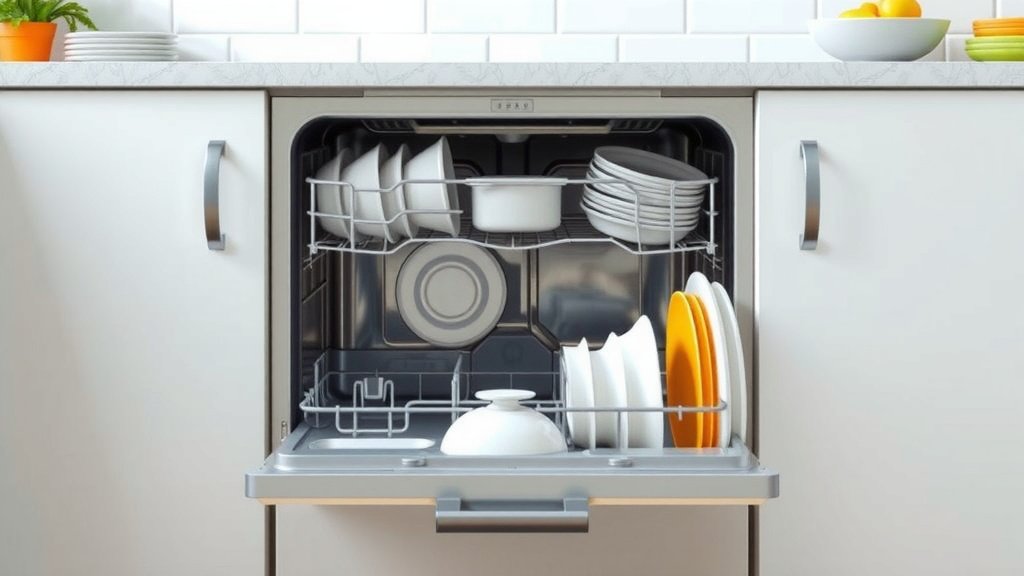
When to Run Your Dishwasher for Best Results
You can run your dishwasher pretty much any time, but running it at night is often the most efficient choice. Many people find it best to run the dishwasher after dinner so dirty dishes are cleared away. This helps you wake up to a clean kitchen. It also avoids interrupting your daytime activities.
Choosing the right time can save energy and reduce noise. Some modern dishwashers are incredibly quiet. Others can be quite loud. Running it when you’re asleep or out of the house is a smart way to manage this. We found that doing so also helps stagger your appliance usage throughout the day.
- Run after meals, especially dinner.
- Nighttime is often best for efficiency.
- Consider noise levels for your household.
- Stagger appliance use to save energy.
Let’s walk through some common questions and the best times to tackle them. We’ll help you figure out what works best for your routine.
Figuring Out the Best Time to Run Your Dishwasher
When is the ideal moment to fire up that sparkling machine and let it handle the dirty work? You can technically run your dishwasher at almost any time. But there are definitely some sweet spots that make life easier and your kitchen happier. We found that understanding a few key factors helps you pick the perfect time. It’s not just about getting clean dishes. It’s about optimizing your home’s energy use and your daily flow.
Think about it like this: your dishwasher is a hungry beast. It uses water and electricity. Running it strategically can make a real difference. We’ve gathered some helpful tips to guide you. Let’s make sure your dishwasher works for you, not against you.
Evening Routines: The Post-Dinner Powerhouse
Many households find running the dishwasher after dinner to be a **game-changer**. It’s a natural stopping point for the day’s meals. Your plates, cups, and utensils are all ready to go. You simply load them up and press start.
This approach means you wake up to a **clean kitchen**. Isn’t that a lovely thought? No more staring at a sink full of dirty dishes first thing in the morning. It’s a small thing, but it sets a positive tone for your day. We found this to be one of the most popular and practical times.
Clearing the Decks for Tomorrow
Loading it after your evening meal ensures everything is out of sight and out of mind overnight. You don’t have to worry about finding space for dirty dishes later. They’re already taken care of. This frees up your counter space too. It’s like a mini-reset button for your kitchen.
Considering Your Sleep Cycle
For many, noise is a factor. If your dishwasher isn’t the quietest model, running it at night is a **brilliant solution**. You’re sound asleep, so the hum and whirring won’t bother you. It’s out of sight, out of earshot, and out of mind.
Modern dishwashers have come a long way. Some are incredibly quiet, almost like a gentle whisper. Others can sound like a small construction site. We’ve found that most people prefer not to have that soundtrack during their evening relaxation or conversations.
Daytime Dishwashing: Is It Ever a Good Idea?
Can you run your dishwasher during the day? Absolutely! But when should you consider it? If you’re home and it doesn’t bother you, daytime is perfectly fine. Some people prefer to run it while they’re out running errands.
When You’re Out and About
If you’re heading out for work, shopping, or any other activity, this is a **great opportunity**. You won’t hear the noise. Plus, your dishes will be clean and ready for the next meal when you return. It’s an efficient way to use your time away from home.
Energy Consumption and Time-of-Use Rates
Did you know some utility companies offer lower electricity rates during off-peak hours? This often means late at night or sometimes during the day. Researching your local electricity provider’s rates can be very beneficial. Running your dishwasher when electricity is cheaper can lead to **noticeable savings** over time.
We found that checking your utility bill or their website can quickly tell you if time-of-use pricing applies to you. If it does, planning your dishwasher use during these cheaper windows makes a lot of sense. It’s like getting a discount on clean dishes!
Staggering Appliance Usage
Running multiple high-powered appliances at once can sometimes strain your home’s electrical system. This is especially true for older homes. Think about your oven, microwave, washing machine, and dryer. These all draw a lot of power.
We found that staggering the use of these appliances is a **smart energy management strategy**. Running your dishwasher when other major appliances aren’t in use helps avoid overloading circuits. This can prevent annoying breaker trips and is better for your home’s wiring.
Special Dishwasher Scenarios
Sometimes, your dishwasher needs might be a bit more specific. What if you only have a few dishes? Or what if you’re hosting a big event?
The “Just a Few Dishes” Dilemma
It’s tempting to run the dishwasher for just a handful of items. However, most dishwasher manufacturers and energy experts advise against this. Running a dishwasher with a light load is generally **less efficient**. It still uses a significant amount of water and energy for just a few plates.
Instead, we recommend scraping plates thoroughly and waiting until the dishwasher is full. Many modern dishwashers have sensors that can adjust the cycle for partially full loads, but a full load is still the most economical. If you’re really in a pinch, consider a quick hand wash for those few items.
After a Party or Big Meal
When you’ve hosted a large gathering, your dishwasher will likely be full, maybe even overflowing! In this case, running it as soon as possible after the last meal is a **great idea**. You’ll want to get all those serving dishes, glasses, and plates cleaned up.
If it’s late, consider running it overnight. If it’s earlier in the evening, you might run it while guests are still around, provided the noise isn’t disruptive. Or, run it right after your guests leave. The key is to tackle the mountain of dishes efficiently.
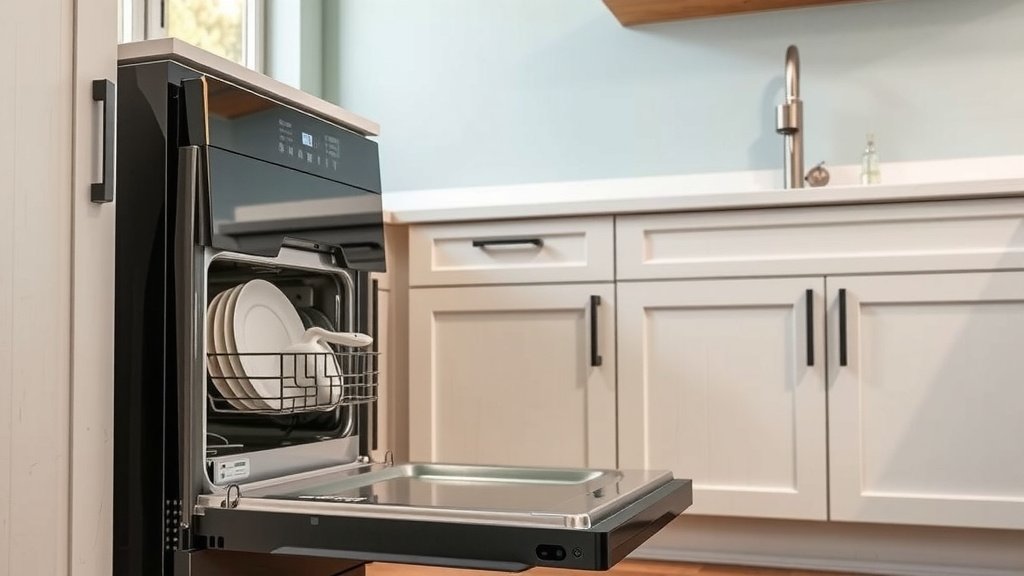
Dishwasher Load Best Practices
How you load your dishwasher also plays a role. Proper loading ensures everything gets clean and can even help your dishwasher run more efficiently. We’ve seen a lot of different loading styles, but a few things are universally recommended.
| Item Type | Where to Place | Why It Matters |
|---|---|---|
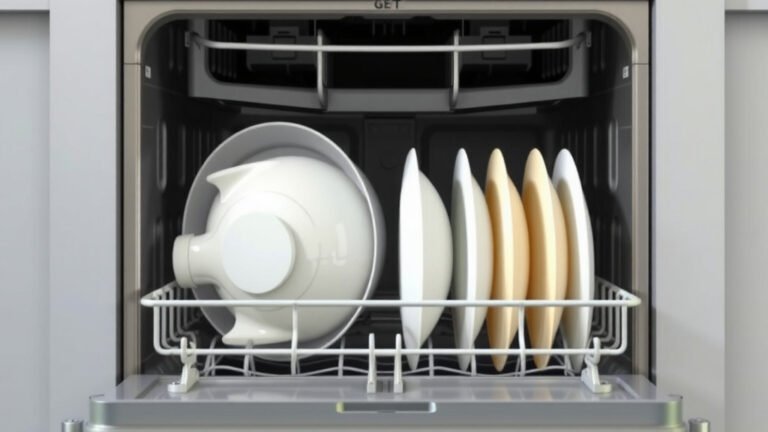
| Plates & Bowls | Lower rack, facing inward towards the spray | Ensures water jets reach all surfaces. Avoid overcrowding. |
| Glasses & Mugs | Upper rack, upside down | Prevents water from pooling. Protects delicate items. |
| Utensils | Silverware basket, handles up or down (mix!) | Handles down for cleaning, handles up for safe removal. Mix to prevent nesting. |
| Large Items (Pots, Pans) | Lower rack, away from spray arms | Allows water to circulate freely. Don’t block spray arms. |
We found that ensuring items are not blocking the spray arms is **super important**. If the water can’t reach, dishes won’t get clean. Also, avoid nesting items like bowls or spoons. They need space for water to get in between.
Your Dishwasher Checklist
Here’s a quick rundown to help you decide:
- Run it after your main meals, especially dinner.
- Consider your electricity rates if you have time-of-use pricing.
- Wait for a full load to save water and energy.
- Avoid running it with other major appliances.
- If it’s noisy, run it when you’re asleep or out.
- Load it correctly for optimal cleaning performance.
By following these simple guidelines, you can ensure your dishwasher is working as efficiently as possible. It makes your kitchen chores a little easier and your home a little more harmonious. We think finding the right rhythm for your dishwasher is well worth the effort!
Conclusion
You’ve learned that running your dishwasher at the right time can make a real difference. Nighttime often wins for efficiency and avoiding noise disruption. Always aim for a full load to save water and energy. Staggering appliance use helps your home’s electrical system. Remember to load it correctly for the best clean. By fine-tuning your dishwasher schedule, you’re not just getting cleaner dishes, you’re optimizing your home’s energy use. For your next step, check your local utility’s off-peak electricity rates and see if you can save even more.
Frequently Asked Questions
Is it better to run the dishwasher at night or in the morning?
Running your dishwasher at night is often best. This way, you avoid any noise disruption while you sleep. You’ll wake up to a clean kitchen and fresh dishes ready for your morning coffee. It also keeps your daytime hours free for other activities.
What should I do if I only have a few dishes?
We recommend waiting until you have a full load. Running the dishwasher with just a few items is less efficient and uses more water and energy per dish. Scrape plates well and wait for more items to accumulate.
Can running the dishwasher impact my electricity bill?
Yes, it can! If your utility company offers time-of-use electricity rates, running your dishwasher during off-peak hours (often late at night) can save you money. Research your local rates to see if this applies to you.
Is it okay to run the dishwasher while I’m out of the house?
Absolutely! This is a great time to run your dishwasher, especially if it’s a noisier model. You won’t hear the machine, and your dishes will be clean and ready when you return home.
Should I run the dishwasher immediately after a big party?
Yes, after a large event, your dishwasher will likely be full. Running it as soon as possible helps you tackle the cleanup efficiently. If it’s late, running it overnight is a good option to ensure everything gets cleaned.