Rinse Dishes Before Dishwasher? What You Need to Know
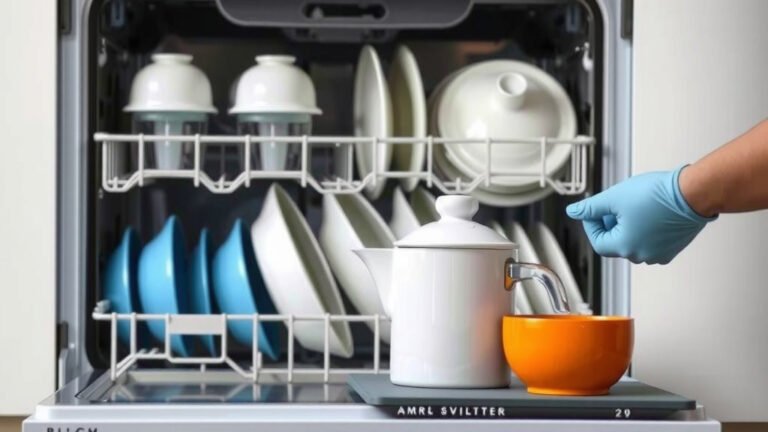
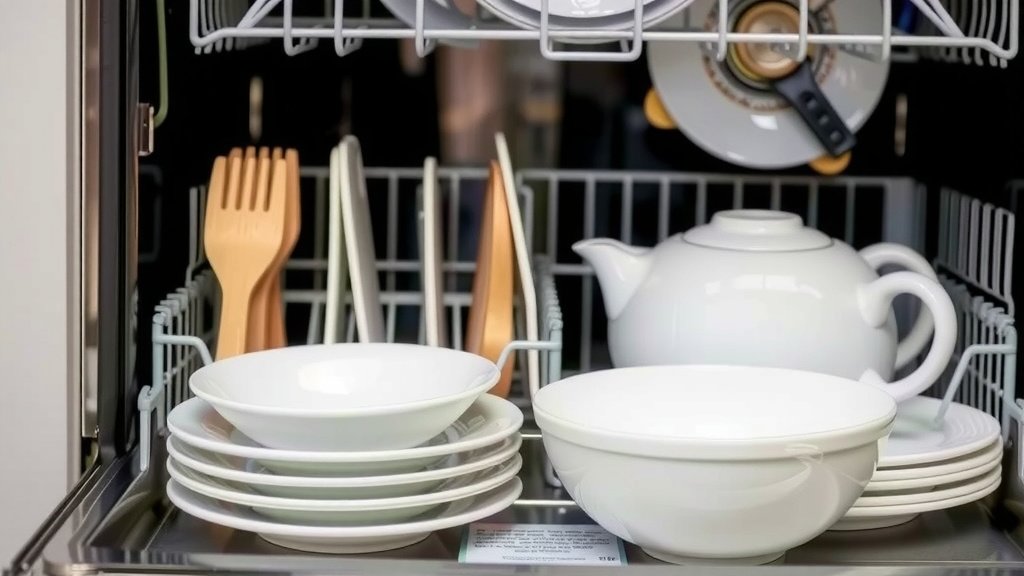
No, you generally don’t need to rinse dishes before putting them in the dishwasher. Modern dishwashers and detergents are designed to handle food particles. Pre-rinsing can actually make your dishwasher work less effectively and waste water.
Many people wonder if a quick rinse prevents buildup. Research and many dishwasher manufacturers found that scraping off large chunks is enough. Leaving some residue helps the detergent adhere to food particles for better cleaning. It also signals the dishwasher that it’s actually dirty.
- Scrap large food bits, but don’t rinse.
- Modern dishwashers can handle most messes.
- Pre-rinsing can make cleaning less effective.
- You’ll save water and time by skipping the rinse.
Let’s walk through exactly why this is the case and what you *should* be doing instead to get sparkling clean dishes every time.
Should You Scrape or Rinse Dishes Before the Dishwasher?
So, the big question: are you wasting your time (and water!) with that pre-rinse routine? Research and dishwasher manufacturers consistently say no, you do not need to rinse dishes before loading them into your dishwasher. Your modern machine is built to handle a bit of food residue. In fact, pre-rinsing can actually make your dishwasher work less effectively.
Why Modern Dishwashers Don’t Need Pre-Rinsing
Think of your dishwasher as a smart, hardworking appliance. It’s equipped with powerful spray arms and advanced detergents designed to break down grease and food particles. These systems are engineered to tackle messes, from dried-on pasta sauce to remnants of your Sunday roast.
Many dishwasher detergents contain enzymes. These enzymes are specifically formulated to target and break down food. If you rinse all the food off, these enzymes have nothing to work on. This means the detergent might end up working on your dishwasher’s components instead, which isn’t ideal (National Sanitation Foundation).
The dishwasher’s sensors also play a role. They can detect how dirty the dishes are based on the water turbidity (how cloudy the water gets). If the water is too clear because you’ve pre-rinsed everything, the dishwasher might assume the dishes are clean and use a shorter, less intense wash cycle. This could leave your dishes not as clean as you’d like.
What You *Should* Do Instead of Rinsing
While you can skip the rinse, there’s one crucial step you shouldn’t forget: scraping.
Scrape, Don’t Soak (or Spray!)
Your primary job is to remove any large, solid pieces of food. We’re talking about things like bones, large vegetable chunks, or globs of leftover mashed potatoes. These large items can potentially clog the dishwasher’s filter or drain, causing problems down the line.
A quick scrape into the trash or compost bin is all that’s needed. You don’t need to get the plates spotless. Leave that to the dishwasher and its powerful cleaning agents. Think of it like giving your dishwasher a fighting chance with the right tools.
The Science Behind Not Rinsing
Let’s dive a little deeper into why leaving some food residue is actually beneficial. It helps the detergent activate properly and find its target.
When you load a plate with a little bit of food on it, it signals to the dishwasher that there’s a job to do. The water jets will hit the food, and the detergent will go to work. This process is more effective when there’s actual food to clean.
Enzymes Need Food to Work
Detergents for dishwashers often contain enzymes like amylase and protease. Amylase breaks down starches, while protease breaks down proteins (like egg or meat residue). If there’s no starch or protein on your dishes, these enzymes are essentially idle.
Research in food science and cleaning technologies shows that these enzymes work best when they have food particles to bind with and break down (American Chemical Society). So, a little leftover food actually helps the detergent perform its intended function more efficiently.
Water and Energy Savings
Every time you turn on the tap to rinse dishes, you’re using water. If you’re running the dishwasher every day, that adds up quickly. The U.S. Environmental Protection Agency (EPA) estimates that a typical household uses about 100 gallons of water per day on outdoor and indoor leaks, but running your dishwasher efficiently also plays a role in your water bill.
By skipping the pre-rinse, you’re not only saving water but also the energy required to heat that water. You’re also saving precious time. Think of all the extra minutes you’ll have back each week!
What About Really Tough Messes?
Okay, we know what you’re thinking: “What about that burnt-on cheese or dried-on oatmeal?” Even these tough jobs are usually no match for a modern dishwasher.
The Power of Modern Detergents and Machines
Dishwasher detergents have become incredibly advanced. They often include surfactants that lift grease and grime, and builders that soften water for better cleaning. Combine this with the high-pressure water jets in your dishwasher, and most baked-on or dried-on foods will come clean.
For particularly stubborn messes, there are a few strategies you can employ without resorting to a full rinse:
- Soak the offending dish: If you have a pot with really stuck-on food, fill it with hot water and a drop of dish soap and let it sit while the dishwasher runs.
- Use the right dishwasher cycle: Most dishwashers have heavy-duty or pot-and-pan cycles. Use these for tougher loads.
- Scrape thoroughly: As mentioned, get off all the loose bits. This is the most important step.
- Ensure proper loading: Don’t overload the dishwasher, and make sure water can reach all surfaces.
- Check your detergent quality: Using a good-quality detergent can make a significant difference.
Common Misconceptions Debunked
It’s easy to fall into habits, especially when it comes to household chores. Many of us grew up in households where pre-rinsing was the norm. Let’s clear up some of the common worries.
Myth 1: Pre-rinsing Prevents Stains and Buildup
While it might seem logical, research doesn’t support this. Stains and buildup inside the dishwasher are often caused by hard water, mineral deposits, or a lack of regular cleaning of the dishwasher itself, rather than food residue left on dishes (Consumer Reports).
Myth 2: My Dishwasher Will Get Clogged if I Don’t Rinse
This is where the distinction between scraping and rinsing is key. As long as you scrape off large food particles, the dishwasher’s filter is designed to catch smaller bits and food debris. Your machine’s drain system is also built to handle the normal amount of residue that goes through it during a cycle.
Your Dishwasher Cleaning Checklist
To ensure your dishwasher works its best *without* pre-rinsing, here’s a quick checklist:
- Scrape off large food chunks before loading.
- Load dishes properly, ensuring water can reach all surfaces.
- Use a high-quality dishwasher detergent.
- Run the appropriate cycle for the load’s dirtiness.
- Clean your dishwasher’s filter regularly (check your manual for frequency).
- Occasionally run a dishwasher cleaning cycle with a dishwasher cleaner or vinegar.
Conclusion
So, you can finally ditch the pre-rinse habit! Modern dishwashers and detergents are designed to tackle your dirty dishes effectively. By skipping the rinse and just scraping off large food bits, you’ll help your dishwasher’s enzymes do their best work. This not only leads to cleaner dishes but also saves you water, energy, and precious time. Make sure to scrape well and maintain your dishwasher’s filter. Give it a try with your next load and see the sparkling results for yourself!
Frequently Asked Questions
How much food should I leave on my dishes before putting them in the dishwasher?
You should scrape off large, solid food particles like bones or big chunks of vegetables. Leave smaller residues and sauces on the dishes. This gives the dishwasher detergent enzymes something to work on for optimal cleaning.
Will my dishwasher get clogged if I don’t rinse my dishes?
No, not if you’re just scraping off large pieces. Your dishwasher is equipped with a filter designed to catch smaller food particles. The drain system is also built to handle normal food debris during a wash cycle.
What if my dishwasher sensors don’t detect dirt because I didn’t rinse?
Dishwasher sensors rely on water turbidity to gauge dirtiness. Leaving some food residue actually makes the water cloudier, signaling the dishwasher to use a more intense wash cycle. This ensures your dishes get properly cleaned.
Are there specific detergents that work better without pre-rinsing?
Yes, most modern dishwasher detergents are formulated with enzymes that require food particles to activate. Using a high-quality detergent designed for dishwashers is key. Look for ones that mention enzyme action for best results.
What can I do about really tough, dried-on food if I’m not supposed to rinse?
For stubborn messes like burnt-on cheese, scrape off as much as you can. Then, you can try soaking the item in hot water with a little dish soap before loading it. Using your dishwasher’s heavy-duty cycle can also help.