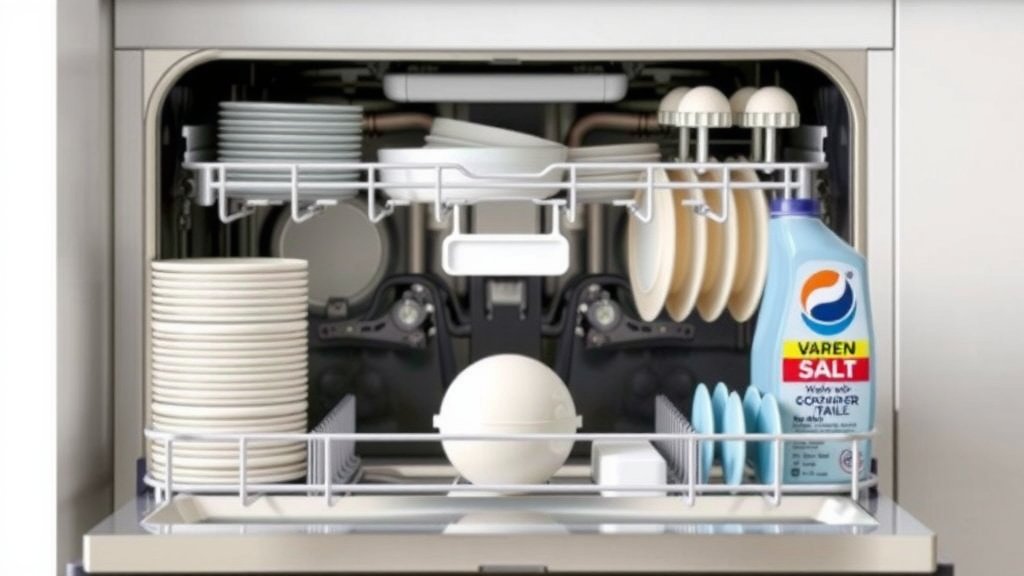
When Your Dishwasher Needs Salt for Better Cleaning
Your dishwasher needs salt when you live in an area with hard water. Dishwasher salt, also known as rinse aid salt, is specifically designed to soften your water. It helps prevent limescale buildup inside your machine and on your dishes, ensuring a sparkling clean result.
Hard water contains high levels of minerals like calcium and magnesium. These minerals can leave stubborn white spots and a cloudy film on your glassware. Using dishwasher salt helps your machine combat these mineral deposits, keeping your dishwasher running efficiently and your dishes looking their best. Many experts recommend it for areas with water hardness above 12° dH.
- Your dishwasher needs salt if you have hard water.
- Salt softens water, preventing limescale and spotting.
- Look for white spots on dishes as a sign.
- It ensures your dishwasher runs efficiently.
- Use salt specifically designed for dishwashers.
Let’s walk through exactly why your dishwasher might need this special salt and how to tell if yours does.
When Your Dishwasher Might Need Special Salt
Your dishwasher’s salt isn’t for seasoning your spaghetti. It’s a special kind of salt designed to tackle a common problem: hard water. If you’re noticing spots or film on your dishes, this could be the missing piece of the puzzle.
Understanding Water Hardness and Your Dishwasher
What exactly is hard water? Well, it’s water with a high mineral content. Think calcium and magnesium. These minerals are naturally present in water. They get there as water flows through rocks and soil. Most of us have some level of minerals in our tap water. The amount can vary a lot by location.
The Impact of Minerals on Your Dishes
When hard water heats up inside your dishwasher, those minerals can leave their mark. You might see chalky white spots on your glasses. They can also create a dull, cloudy film. This isn’t usually because your dishwasher isn’t cleaning well. It’s the minerals in the water clinging to your dishes.
Limescale Buildup in Your Machine
It’s not just your dishes that suffer. Those same minerals can build up inside your dishwasher. This buildup is called limescale. It’s like a crusty deposit. Limescale can clog the spray arms. It can also affect the heating element. Over time, this can make your dishwasher less efficient. It might even lead to costly repairs.
How Dishwasher Salt Comes to the Rescue
Dishwasher salt works with your machine’s built-in water softener. Most modern dishwashers have a special compartment for this salt. When you add it, the salt goes into a resin bed. This bed filters out the minerals that cause hardness. It’s like a tiny water softening system right inside your appliance.
The Science Behind the Softening
The resin beads in the softener attract the calcium and magnesium ions. They essentially swap these hard minerals for sodium ions. This process makes the water much softer. Softer water is less likely to leave spots or cause limescale. Many appliance manufacturers suggest using dishwasher salt when water hardness exceeds 12° dH (degrees of German hardness).
Is Your Water Hard? Simple Tests You Can Do
How can you tell if you have hard water? There are a few clues. You might notice soap not lathering well when you wash dishes by hand. You could also see those white spots on your dishes after a dishwasher cycle. Another sign is a scaly residue around your faucets or showerheads. You can also check your local water utility’s website. They often publish reports on water quality, including hardness levels.
Understanding Water Hardness Levels
Water hardness is measured in different units. You might see grains per gallon (GPG), milligrams per liter (mg/L), or parts per million (ppm). Here’s a general guide:
| Water Hardness Level | Grains Per Gallon (GPG) | Milligrams Per Liter (mg/L) or ppm | Dishwasher Salt Needed? |
|---|---|---|---|
| Soft | 0-3.5 | 0-60 | Likely No |
| Moderately Hard | 3.5-7 | 60-120 | Possibly |
| Hard | 7-10.5 | 120-180 | Yes |
| Very Hard | 10.5+ | 180+ | Definitely Yes |
Signs Your Dishwasher Needs Salt
Even if you don’t know your exact water hardness, your dishwasher might give you hints. A common indicator is the “salt” or “rinse aid” indicator light on the control panel. If this light comes on, it’s your machine telling you it’s time to refill the salt reservoir. Other signs include those persistent white spots on your glasses and cutlery. You might also notice a hazy film on your dishes. If your dishwasher just isn’t leaving things as spotless as it used to, consider the salt level.
Choosing the Right Dishwasher Salt
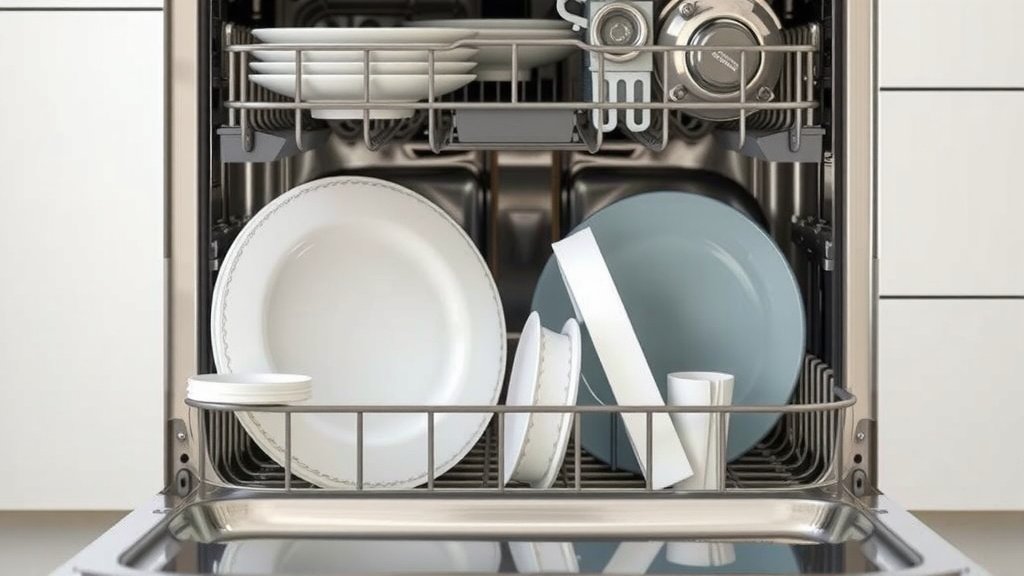
It’s important to use salt specifically made for dishwashers. Don’t just grab a box of table salt or rock salt from the grocery store. Dishwasher salt is specially formulated to be pure and free of additives. These additives could potentially harm your dishwasher’s water softening system. It’s usually sold in larger, coarse grains. This helps it dissolve properly in the water softener.
Proper Salt Refilling and Usage
Refilling the salt is usually quite simple. You’ll find a cap or plug on the bottom of your dishwasher’s interior, often near the lower spray arm. Unscrew it, pour in the dishwasher salt until it’s full, and screw the cap back on tightly. Many experts suggest running a short rinse cycle afterward. This helps rinse away any excess salt. Always refer to your dishwasher’s manual for specific instructions.
Making Sure Your Dishwasher Stays in Top Shape
Using the correct dishwasher salt is a key part of maintaining your appliance. It helps prevent mineral buildup. This means your dishwasher can work more efficiently. It also leads to better cleaning results. Think of it as preventative care for your machine. Your dishes will thank you for it!
Your Dishwasher Salt Checklist
- Notice white spots on your dishes?
- See a cloudy film on glassware?
- Is your dishwasher’s salt indicator light on?
- Has your local water report shown hard water?
- Do your dishes seem less spotless than before?
- If you answered “yes” to any of these, it’s time for dishwasher salt!
Conclusion
So, when does your dishwasher need salt? It’s all about tackling that pesky hard water. If you’re seeing those tell-tale white spots on your dishes or a hazy film, your dishwasher’s water softener is likely crying out for help. Using the right dishwasher salt is a simple but effective way to combat mineral buildup, keeping your machine running efficiently and your dishes sparkling clean. Don’t wait for the problem to get worse. Check your dishwasher’s indicator light and give it the salt it needs to perform its best.
Frequently Asked Questions
How often should I add dishwasher salt?
The frequency of adding dishwasher salt depends on your water hardness and how often you run your dishwasher. Many dishwashers have an indicator light that alerts you when the salt reservoir is low. If you don’t have a light, a good rule of thumb is to check it monthly and refill as needed, especially if you notice signs of hard water on your dishes.
Can I use regular table salt in my dishwasher?
No, you should absolutely not use regular table salt or any other type of household salt. Dishwasher salt is specially formulated to be pure and has a coarse grain that dissolves properly in the water softening system. Table salt contains additives like iodine and anti-caking agents that can damage your dishwasher’s internal components and clog the softening unit.
What are the signs my dishwasher needs salt, besides the indicator light?
Beyond the indicator light, look for persistent white, chalky spots on your glassware and cutlery, even after a wash cycle. A cloudy or hazy film on your dishes is another common sign. If your dishwasher simply isn’t getting your dishes as clean and spotless as it used to, hard water and a lack of salt could be the culprit.
My local water report says my water is “moderately hard.” Do I still need dishwasher salt?
If your water is moderately hard, it’s a good idea to start using dishwasher salt. While it might not be as critical as very hard water, moderately hard water still contains enough minerals to leave spots and contribute to limescale buildup over time. Using salt in this range can help maintain optimal performance and prevent issues down the road.
Where is the salt compartment in my dishwasher, and how do I fill it?
The salt compartment is typically located at the very bottom of your dishwasher’s interior, often behind a removable panel or cap near the lower spray arm. To refill it, simply unscrew the cap, pour in the specific dishwasher salt until it’s full (it might seem like a lot, but that’s normal), and screw the cap back on tightly. Many manufacturers recommend running a short rinse cycle afterward to flush out any excess salt.