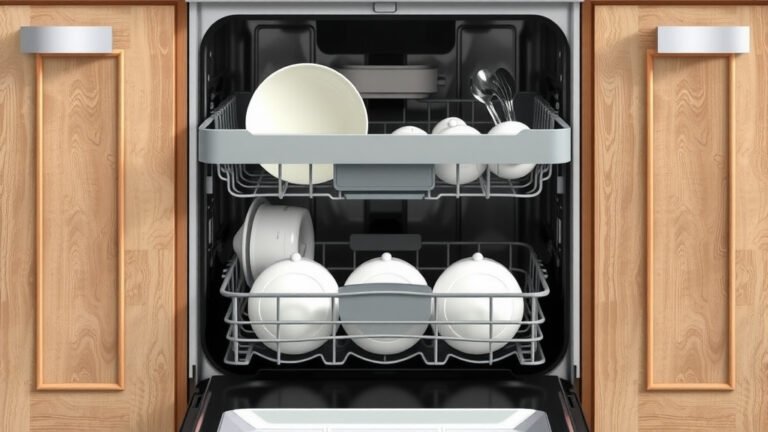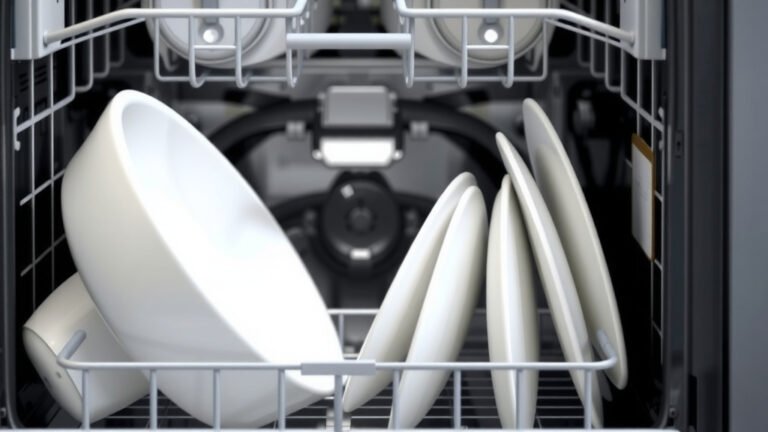

When to Clean Your Dishwasher Filter for Best Results
You should clean your dishwasher filter roughly once a month, or whenever you notice lingering food debris or a decrease in cleaning performance. Neglecting this small component can lead to smelly dishes and a struggling appliance. It’s a simple maintenance step that makes a big difference in how clean your dishes come out.
A clogged filter means dirty water recirculates, leaving behind grease and grime. This can also cause your dishwasher to work harder than it needs to. Keeping your filter clean is key to ensuring your dishwasher runs efficiently and keeps your plates sparkling, just like the experts recommend for optimal appliance care.
- Clean your filter about once a month.
- Do it when dishes aren’t getting clean.
- Check for visible food or gunk.
- It prevents odors and poor performance. Neglecting the filter can lead to poor performance and other issues.
- It’s an easy DIY task.
Ready to give your dishwasher the TLC it deserves? Let’s walk through exactly how to get that filter spotless.
You’ve probably noticed your dishwasher isn’t quite getting your dishes as clean as it used to. Or maybe you’ve caught a whiff of something less than fresh after a cycle. These are often signs that your dishwasher’s filter needs a good scrub. Think of it as the unsung hero of your dishwasher, working hard to catch all those leftover food bits and grease. When it gets clogged, that gunk can end up back on your plates or even cause your machine to malfunction.
How Often Should You Really Clean Your Dishwasher Filter?
Most experts agree that a good rule of thumb is to clean your dishwasher filter about once a month. This frequency helps prevent major buildup and keeps your dishwasher running smoothly. However, this isn’t a hard and fast rule. Life happens, and sometimes you might need to clean it more often.
Signs Your Filter Needs Immediate Attention
Beyond the monthly check, keep an eye out for specific indicators. These are your dishwasher’s way of telling you it needs some TLC. Ignoring these can lead to bigger problems down the line.
- Lingering Food Debris: If you see bits of food stuck to your dishes after a wash, your filter is likely overwhelmed.
- Cloudy Dishes or Glassware: A dirty filter can recirculate dirty water, leaving a hazy film.
- Unpleasant Odors: Trapped food particles decompose, leading to a foul smell. This is one of the most common complaints.
- Reduced Cleaning Performance: If your dishwasher just isn’t cleaning like it used to, the filter is a prime suspect.
- Water Pooling at the Bottom: A severely clogged filter can prevent water from draining properly.
Why Regular Cleaning is Key
Cleaning your filter is a small task that offers big rewards. It ensures that your dishwasher performs at its best. It also prevents costly repairs by stopping grime from damaging internal components. Think of it as preventative maintenance for your kitchen.
Understanding Your Dishwasher Filter
Before you dive in, it’s helpful to know a bit about the filter itself. Most modern dishwashers have a self-cleaning filter system. This means it has a coarse filter that catches large debris and a fine mesh filter that traps smaller particles. You’ll typically find it at the bottom of your dishwasher, usually under the lower spray arm.
| Filter Type | What It Catches | Cleaning Frequency |
|---|---|---|
| Coarse Filter | Large food scraps (e.g., bones, pits, large vegetable pieces) | Check monthly, clean as needed. |
| Fine Mesh Filter | Smaller particles, grease, and grit. | Check monthly, clean monthly. |
Locating Your Specific Filter
Different dishwasher brands and models have filters in slightly different spots. Your dishwasher’s manual is your best friend here. However, most filters are located at the bottom of the dishwasher tub. You might need to remove the lower spray arm and the lower rack to get to it. Don’t worry; it’s usually designed for easy removal and reinstallation.
Your Monthly Dishwasher Filter Maintenance Routine
Making filter cleaning a regular habit is simple. Once you do it a couple of times, you’ll be a pro. It usually only takes about five to ten minutes. This quick task can save you time and frustration later on.
Step-by-Step: Cleaning Your Dishwasher Filter
Ready to get your hands a little dirty for sparkling dishes? Follow these easy steps.
- Turn Off Power: For safety, it’s always a good idea to disconnect the power to your dishwasher at the breaker box.
- Remove the Lower Rack: This gives you clear access to the filter area.
- Locate and Remove the Filter: Most filters twist out. Look for a cylindrical component at the bottom of the tub. Give it a gentle twist counter-clockwise. Some may have a flat mesh filter underneath.
- Rinse Under Running Water: Take the filter parts to your sink. Rinse them thoroughly under warm running water. Use a soft brush (like an old toothbrush) to gently scrub away any stubborn debris.
- Clean the Filter Housing: While the filter is out, wipe down the area where it sits to remove any loose gunk.
- Reassemble and Replace: Make sure the filter parts are clean and dry. Reinsert them into their housing, twisting clockwise until they lock into place. Ensure they are secure.
- Restore Power: Turn the power back on at the breaker box.
What If My Filter is Stuck?
If you encounter resistance, don’t force it. Check your manual for specific instructions for your model. Sometimes, a bit of wiggling or a different angle can help. If it’s truly stuck, consider calling a professional appliance repair technician.
Deep Cleaning Your Filter When Necessary
For those times when a simple rinse doesn’t seem like enough, a deeper clean might be in order. This is especially true if you notice a persistent odor or a greasy buildup.
- Use Mild Soap: After rinsing, you can use a small amount of mild dish soap and a soft brush to tackle greasy residue.
- Vinegar Soak (Optional): For tough grime or odors, you can soak the filter components in a solution of equal parts white vinegar and water for about 30 minutes. Rinse thoroughly afterward. Many cleaning guides suggest this approach (Cleveland Clinic).
- Avoid Harsh Chemicals: Never use abrasive cleaners, steel wool, or harsh chemicals, as these can damage the filter material.
When to Consider Replacing Your Filter
Dishwasher filters are generally quite durable. However, over many years, they can become damaged. If you notice cracks, warping, or significant deterioration, it might be time for a replacement. A damaged filter won’t work effectively and could lead to other issues. Replacement filters are readily available from appliance parts suppliers.
Checking Your Dishwasher’s Manual is Key
We can provide general guidance, but your dishwasher’s manual is the ultimate authority. It will show you exactly where your filter is located, how to remove it, and any specific care instructions for your model. If you’ve misplaced yours, a quick online search using your dishwasher’s brand and model number will usually bring up a digital copy.
Frequency vs. Performance: The Best Indicator
While the “once a month” guideline is helpful, your dishwasher’s performance is the true test. If your dishes are coming out clean and there are no strange smells, you might be able to stretch the cleaning interval a bit. However, if you notice any of the warning signs we discussed, don’t delay cleaning the filter. It’s a simple maintenance task that keeps your appliance running efficiently.
Think of your dishwasher filter like the air filter in your car. You might not think about it every day, but keeping it clean ensures the whole system works better. Your dishes will thank you, and your dishwasher will run longer and stronger.
Conclusion
You’ve learned that keeping your dishwasher filter clean is a simple yet vital part of appliance maintenance. Remember to aim for a monthly cleaning, but always trust your eyes and nose. Lingering food bits, cloudy dishes, or strange smells are your cues for immediate attention. A clean filter means sparkling dishes and a more efficient, longer-lasting dishwasher. Make this quick task a habit; it’s a small effort for a big payoff in your kitchen. So, grab your manual, get that filter out, and give it a good rinse!
Frequently Asked Questions
How often should I *really* check my dishwasher filter?
While a monthly check is a great guideline, pay attention to your dishes. If they’re consistently coming out clean and odor-free, you might be able to clean it a little less often. However, if you notice any performance issues, check it immediately.
Can I just rinse my dishwasher filter, or do I need to scrub it?
A simple rinse under running water is often enough for regular cleaning. If you notice stubborn grease or food particles, use a soft brush, like an old toothbrush, to gently scrub away the debris. Avoid abrasive materials.
What happens if I never clean my dishwasher filter?
If you skip cleaning your filter, you’ll likely start seeing a decline in cleaning performance. Food particles can recirculate, causing residue on your dishes. You may also notice unpleasant odors developing inside your dishwasher.
Is it safe to clean the dishwasher filter with soap or vinegar?
Yes, you can use a small amount of mild dish soap to tackle greasy buildup. For tougher grime or odors, a soak in a solution of equal parts white vinegar and water for about 30 minutes can be effective. Just be sure to rinse thoroughly afterward.
My dishwasher manual isn’t clear about the filter. What should I do?
Most dishwasher filters are located at the bottom of the tub, often under the lower spray arm. They usually twist out counter-clockwise. If your manual is unhelpful, try searching online for your specific dishwasher brand and model number for a digital copy or videos.