Dishwasher Noises: What’s Causing Them & How to Fix
A noisy dishwasher often means something is loose, obstructed, or worn out. Common culprits include debris in the filter or spray arms, a faulty pump, or a problem with the motor. Don’t panic; usually, it’s a fixable issue. We’ll help you diagnose the sound and get your quiet kitchen back.
That grinding, rattling, or humming can be startling. Your dishwasher is a complex appliance, and sounds can originate from various parts. Understanding the type of noise can point you directly to the source, saving you time and potential repair costs. Let’s figure out what’s causing that racket.
- Noisy dishwashers can signal debris, pump issues, or motor problems.
- Grinding often means a foreign object is caught.
- Rattling might be loose dishes or spray arms.
- Humming could point to a motor or pump starting up.
- Checking the filter and spray arms is a good first step.
Below, we’ll walk through the most common reasons your dishwasher is making noise and how you can address them.
Troubleshooting Your Dishwasher’s Mysterious Noises
A dishwasher making a racket can be quite unsettling. But don’t worry, most dishwasher noises have a logical explanation. We’re here to help you pinpoint the source of that sound and offer solutions.
Common Dishwasher Sounds and What They Mean
Different sounds often point to different problems. Let’s break down what those noises might be telling you.
The Grinding or Scraping Sound
This is usually the most concerning noise. A grinding sound often means something is physically stuck. It could be a small piece of glass, a bone, or even a plastic utensil. This debris might be caught in the pump impeller or the filter area. Ignoring this could lead to more serious damage to the pump itself.
Checking for Debris
First, make sure your dishwasher is unplugged for safety. Then, remove the bottom rack. You’ll usually find a filter assembly at the bottom center of the tub. Consult your dishwasher’s manual if you’re unsure how to remove it. Once removed, rinse it thoroughly under running water. You might need a small brush to dislodge stubborn particles. Also, carefully check the area around the filter and the spray arm connections for any visible obstructions. Many experts suggest this is the most common cause of grinding noises (Appliance Repair Professionals Association).
The Rattling or Clattering Noise
This sound is often less serious than grinding. A rattling noise usually indicates that something is loose or vibrating against the dishwasher tub. Your dishes might be bumping into each other. The spray arms could also be hitting items that are too tall or improperly loaded.
Securing Your Dishes and Spray Arms
Inspect your dishes. Are any bowls or utensils sticking out too far? Try rearranging the load, ensuring nothing is obstructing the spray arms’ path. You can test this by manually spinning the spray arms. Do they hit anything? Make sure the spray arms themselves are securely attached. If they’re loose, they can wobble and create a clatter. Most spray arms are held in place by a nut or clip that can be tightened or reinserted.
Loose Interior Components
Sometimes, interior components like the rack supports or even the heating element can become loose. Gently push and pull on various parts inside the tub to see if anything rattles. If you find a loose part, check your manual for instructions on how to secure it. A loose cutlery basket can also create a surprising amount of noise.
The Humming or Buzzing Sound
A consistent humming or buzzing sound can occur during different cycles. It might indicate the water inlet valve is trying to fill the machine, or the pump is attempting to drain. If the dishwasher isn’t filling or draining properly, this sound can persist.
Water Supply Issues
Ensure your water supply valve is fully open. Sometimes, a partially closed valve can restrict water flow, causing the inlet valve to hum. Also, check if the inlet hose is kinked or blocked, preventing water from entering the machine effectively. Many homeowners report this as a simple fix they overlooked (Home Appliance Forum).
Drainage Problems
A humming sound during the drain cycle could mean the drain pump is running, but something is blocking the drain hose or the pump itself. Check your dishwasher’s drain filter for clogs. If the drain hose is accessible, inspect it for any kinks or blockages. You might need to disconnect it to clear out debris.
The Squealing or Shrieking Noise
This high-pitched sound is often related to the motor or pump. It can mean that the bearings in the motor or pump are wearing out. This is a sign that replacement parts might be needed soon.
Pump and Motor Health
Squealing noises can be difficult to diagnose without some disassembly. If the sound is continuous, it might be the main circulation pump. If it only happens during draining, it could be the drain pump. In many cases, this indicates that the pump motor is failing. Some specialized repair services can replace just the bearings, but often, the entire pump assembly needs replacing. Research suggests that pump wear is a common cause of squealing in older dishwashers (Appliance Repair Journal).
Checking the Basics: A Quick Checklist
Before you call for service, take a moment to run through these simple checks. You might solve the problem yourself!
- Unplug your dishwasher before performing any checks inside.
- Inspect and clean the filter at the bottom of the tub.
- Check the spray arms for blockages or loose attachments.
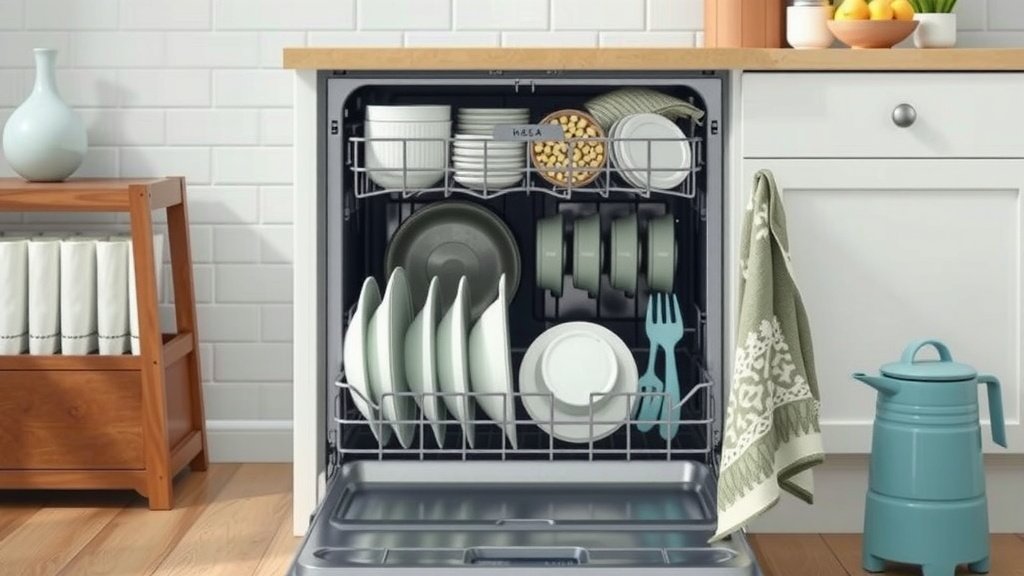
- Ensure dishes are loaded properly and not obstructing movement.
- Verify water supply valve is fully open.
- Examine drain hose for kinks or obstructions.
Conclusion
You’ve learned that those dishwasher noises are usually your appliance’s way of telling you something is wrong. From debris in the filter to a worn-out pump, many sounds have simple explanations. You can often fix them yourself with a few basic checks. Remember to always unplug your dishwasher before inspecting the filter or spray arms. If the noise persists or sounds like grinding or squealing, it might be time to consult your manual or a professional. Getting your dishwasher running quietly again is totally achievable!
Frequently Asked Questions
Can I run my dishwasher if it’s making a strange noise?
It’s generally best to stop running the dishwasher if you hear a loud or unusual noise, especially grinding. Continuing to run it could worsen the problem, potentially causing more damage to the motor or pump. It’s safer to investigate the cause first.
How often should I clean my dishwasher filter?
Cleaning your dishwasher filter regularly is key to preventing many common noises. Most experts recommend checking and cleaning it at least once a month, or more often if you notice any reduction in cleaning performance or unusual sounds.
My dishwasher is rattling, but the dishes aren’t loose. What else could it be?
If your dishes are securely loaded and the rattling continues, check the spray arms. They might be loose and hitting the sides of the tub. Also, gently inspect the interior racks and any loose components like the cutlery basket to ensure they are properly seated.
What does it mean if my dishwasher hums but doesn’t fill with water?
A humming sound without water usually indicates an issue with the water supply. Check that your hot water supply valve is fully open and that the inlet hose isn’t kinked or blocked. The water inlet valve itself could also be faulty and preventing water from entering the machine.
Is a squealing noise always a sign that the pump needs replacing?
A squealing or shrieking sound often points to worn bearings in the pump or motor. While this frequently means the pump assembly needs replacement, in some cases, specialized repair services might be able to replace just the bearings. It’s a strong indicator that repair is needed.