
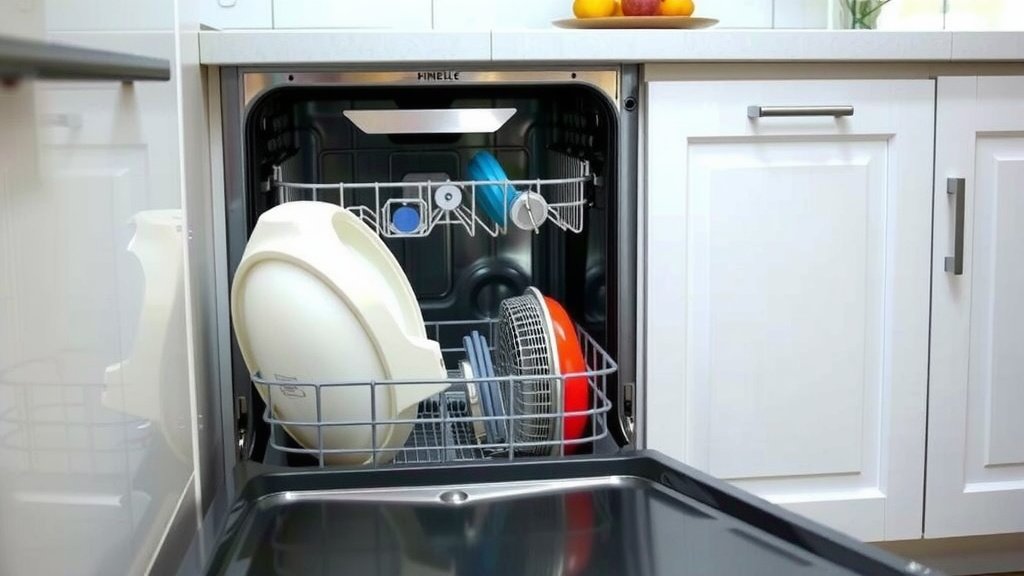
Dishwasher Taking So Long? Fix These Common Issues Now
Your dishwasher is taking too long to finish its cycle because of issues like a clogged filter, a blocked spray arm, or problems with the water inlet valve. These common culprits can prevent your dishwasher from properly filling with water or draining, leading to extended wash times. We’ve found that simple maintenance often solves these slow cycle problems.
We know how frustrating it is when your dishwasher seems to be running forever. A slow cycle can mean dirty dishes sitting longer or your morning routine being thrown off. Issues like a faulty heating element or a thermostat problem can also contribute to longer run times, as the machine struggles to reach the right temperature for cleaning.
- Filter is clogged.
- Spray arms are blocked.
- Water inlet valve is faulty.
- Heating element isn’t working.
- Thermostat needs replacement.
Let’s walk through exactly why your dishwasher might be taking so long and what you can do about it.
Figuring Out Why Your Dishwasher Cycle Takes Forever
We all expect our dishwasher to do its job quickly and efficiently. When it starts taking an unusually long time, it’s a real bummer. It disrupts your kitchen flow and leaves you wondering what’s going on. Many times, the fix is simpler than you think. Let’s get to the bottom of what might be causing those extended cycles.
Common Culprits Behind Extended Dishwasher Cycles
Water Flow Issues: The Engine of Your Dishwasher
Your dishwasher needs a steady stream of water to wash and rinse properly. If that flow is interrupted, your cycle will drag on. Think of it like trying to take a shower with a trickle of water – it just won’t get the job done efficiently.
Clogged Water Inlet Valve
The water inlet valve is the gatekeeper for water entering your dishwasher. If it’s partially blocked by mineral deposits or debris, it restricts the amount of water that can get in. This means the tub fills much slower. Your dishwasher has sensors that wait for a certain water level. If it’s filling too slowly, it can’t proceed to the next step, causing the cycle to pause or extend significantly.
Low Household Water Pressure
Sometimes, the problem isn’t with the dishwasher itself. If your home’s general water pressure is low, it will affect how quickly your dishwasher fills. This is more likely if you notice slow water flow in other faucets too. Experts suggest that typical household water pressure should be between 20-80 PSI (HubPages). If yours is lower, it might be time to consult a plumber.
Drainage Problems: The Wet Mess Left Behind
Just as important as getting water in is getting dirty water out. If your dishwasher struggles to drain, it can’t move on to rinsing or finishing. This is like trying to start a new task before cleaning up the last one.
Dirty or Clogged Filter
This is probably the most common reason for drainage issues. Your dishwasher filter catches food particles and debris. Over time, these can build up and create a significant clog. When the filter is blocked, water can’t pass through to the drain pump. We found that cleaning this filter regularly can solve many slow-cycle problems. Most filters are easy to remove and rinse under a faucet.
Kinked or Blocked Drain Hose
The drain hose carries dirty water from the dishwasher to your sink’s plumbing or garbage disposal. If this hose gets kinked behind the unit, or if something is blocking it internally, water won’t drain effectively. A blocked hose often means standing dirty water at the bottom of your dishwasher tub. Check behind the machine to ensure the hose is straight and not crushed.
Garbage Disposal Clog
If your dishwasher drains into a garbage disposal, a clog in the disposal can back up into the dishwasher. This is especially true if the disposal was recently used and not fully cleared. Try running the disposal with cold water to clear any potential blockages. This is a quick check that can save you a lot of trouble.
Obstructions in the Wash System
The spray arms are your dishwasher’s main cleaning tools. If they can’t rotate freely or if their jets are blocked, the water won’t reach all your dishes effectively. This can lead to longer wash times as the machine tries to compensate, or even incomplete cycles.
Blocked Spray Arm Jets
Food particles, grease, or hard water deposits can clog the small holes (jets) in your spray arms. When these jets are blocked, water pressure is reduced, and water doesn’t spray evenly. This means some dishes might not get clean, and the cycle might run longer to compensate. We recommend inspecting your spray arms and using a toothpick or small wire to clear any stubborn blockages.
Spray Arm Rotation Issues
Sometimes, a larger piece of debris or even a utensil might fall and prevent the spray arm from rotating. If the arm can’t spin, it can’t distribute water properly. This can significantly impact cleaning performance and cycle duration. Gently try to spin the spray arms by hand; they should move freely without resistance.
Temperature and Heating Problems
Many dishwashers rely on heating elements to raise water temperature. Hot water is crucial for breaking down grease and food residues. If your dishwasher isn’t getting hot enough, it might extend its cycle to try and compensate, or certain cycles might simply not run correctly.
Faulty Heating Element
The heating element is responsible for warming the water. If it’s broken or malfunctioning, the water won’t reach the optimal temperature. Some dishwashers have indicators for cycle progress, and you might notice it lingering in the wash phase for an extended period. Research indicates that a failing heating element is a common cause for poor washing performance and longer cycles (Appliance Aid).
Thermostat Issues
The thermostat tells the heating element when to turn on and off to maintain the correct water temperature. If the thermostat is faulty, it might not signal the heater to warm the water sufficiently. This can lead to the dishwasher running longer cycles than necessary, or not effectively cleaning dishes.
Check the User Manual
Your dishwasher’s manual is your best friend here. It will detail the different wash cycles and their typical durations. If a specific cycle is taking much longer than usual, consult the manual to see if that extended time is normal for that particular setting. Sometimes, a new “eco” or “heavy-duty” cycle might simply take longer by design.
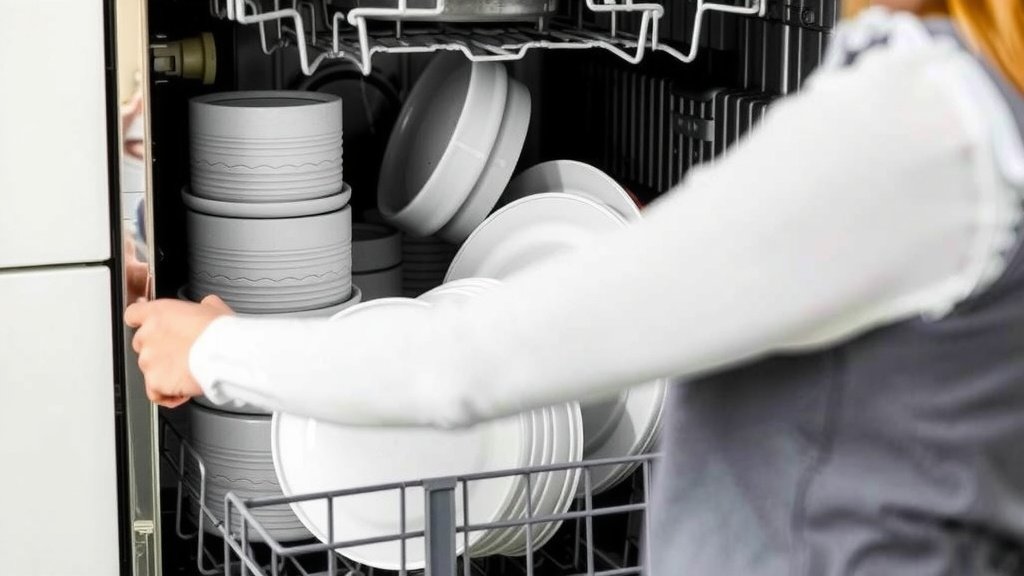
Quick Checklist for a Speedy Dishwasher Cycle
If your dishwasher is taking too long, run through this quick checklist:
- Ensure the water supply valve under your sink is fully open.
- Check and clean the dishwasher filter located at the bottom of the tub.
- Inspect spray arms for any food debris or blockages in the jets.
- Verify that the drain hose is not kinked or crushed.
- If draining into a disposal, run the garbage disposal to clear it.
Conclusion
We understand how frustrating a slow dishwasher cycle can be. You’ve learned that issues like clogged filters, blocked spray arms, or problems with water flow and heating can all add extra time to your washes. The good news is that many of these common culprits are easily fixed with simple maintenance. By regularly cleaning your filter and checking spray arms, you can help your dishwasher run efficiently again. Don’t let a lingering cycle disrupt your routine; taking a few minutes for basic checks can make all the difference.
Frequently Asked Questions
How often should I clean my dishwasher filter?
We recommend cleaning your dishwasher filter at least once a month. If you use your dishwasher very frequently or tend to have a lot of food debris, you might want to check it even more often. A clean filter is key to proper drainage and preventing those extended cycle times.
Can my dishwasher run longer on certain cycles?
Yes, absolutely. Many dishwashers have cycles like “Eco” or “Heavy Duty” that are designed to run longer to save energy or tackle tougher grime. Always check your user manual to understand the expected run times for different cycles.
What if my dishwasher still takes a long time after cleaning the filter?
If cleaning the filter didn’t solve the problem, you’ll want to inspect your spray arms for blockages next. Also, check that the drain hose isn’t kinked behind the unit. These are the next most common reasons for slow cycles.
Could low water pressure in my house affect dishwasher cycle time?
Yes, it certainly can. Your dishwasher needs adequate water pressure to fill properly and efficiently. If you’re noticing slow water flow from other faucets in your home, it’s possible low household pressure is making your dishwasher take longer to fill and complete its cycle.
Is it normal for a dishwasher to pause during a cycle?
Dishwashers often pause briefly between cycles, like after a wash and before a rinse, to manage water and temperature. However, if your dishwasher seems to be pausing for an unusually long time, or getting stuck in one phase, it usually indicates an underlying issue like a drainage problem or a heating element malfunction.