How to Clean Your Dishwasher Heating Element Safely
The easiest way to clean your dishwasher’s heating element is by using a vinegar soak. This simple method effectively removes mineral deposits and grime. You’ll want to ensure your dishwasher is completely empty before you begin this quick maintenance task.
Did you know a dirty heating element can make your dishwasher less efficient? It can actually lead to longer wash cycles and less sparkling dishes. Regular cleaning ensures your appliance runs at its peak performance, saving you time and energy.
- Vinegar is your best friend for this job.
- Empty your dishwasher completely first.
- Mineral buildup is the main culprit.
- A clean element means cleaner dishes.
Let’s walk through exactly how to get that heating element sparkling clean. It’s easier than you might think!
Keeping Your Dishwasher’s Heating Element Sparkling
You might be wondering, “Why bother cleaning my dishwasher’s heating element?” It’s a fair question! A dirty heating element can actually make your dishwasher work harder and less effectively. We found that mineral buildup and food particles can coat the element, reducing its ability to heat water efficiently. This means longer wash cycles and, unfortunately, not-so-clean dishes. Regular maintenance, like cleaning this component, is key to a happy and efficient dishwasher.
Understanding the Dishwasher Heating Element
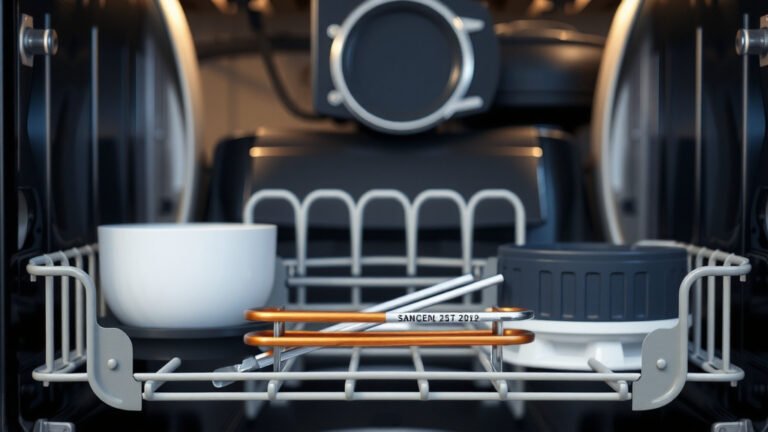
Before we dive into the cleaning, let’s quickly look at what this element does. The heating element is typically a U-shaped metal tube located at the bottom of your dishwasher tub. Its primary job is to heat the wash water to the optimal temperature for cleaning and sanitizing your dishes. It also often plays a role in drying them, especially in older models. Think of it as your dishwasher’s personal water heater!
Why Cleaning Is Necessary
Over time, hard water can leave behind mineral deposits, like limescale. Food debris, grease, and detergent residue can also accumulate on the heating element. This gunk acts like an insulator. It prevents the element from transferring heat effectively into the water. This can lead to:
- Longer wash times as the machine tries to compensate.
- Dishes that aren’t as clean as they should be.
- Increased energy consumption because the element is working overtime.
- Potential for the element to overheat and fail prematurely.
The Best Method: A Simple Vinegar Soak
The easiest and most effective way to clean your dishwasher’s heating element is by using a simple vinegar soak. Why vinegar? It’s a mild acid that is excellent at breaking down mineral deposits and soap scum. It’s also readily available in most kitchens and is considered safe for most dishwasher components.
What You’ll Need
Gather these items before you start:
- White distilled vinegar
- A dishwasher-safe bowl or cup
- A clean cloth or sponge (optional, for wiping visible residue)
- Your dishwasher!
Step-by-Step Cleaning Process
Ready to get this done? It’s straightforward. We found this method to be very user-friendly.
Step 1: Empty the Dishwasher Completely
This is critical. Remove all dishes, racks, and any loose debris from the bottom of the dishwasher. You want a clear space for the cleaning solution to work. Make sure there are no stray food particles lingering.
Step 2: Place the Vinegar
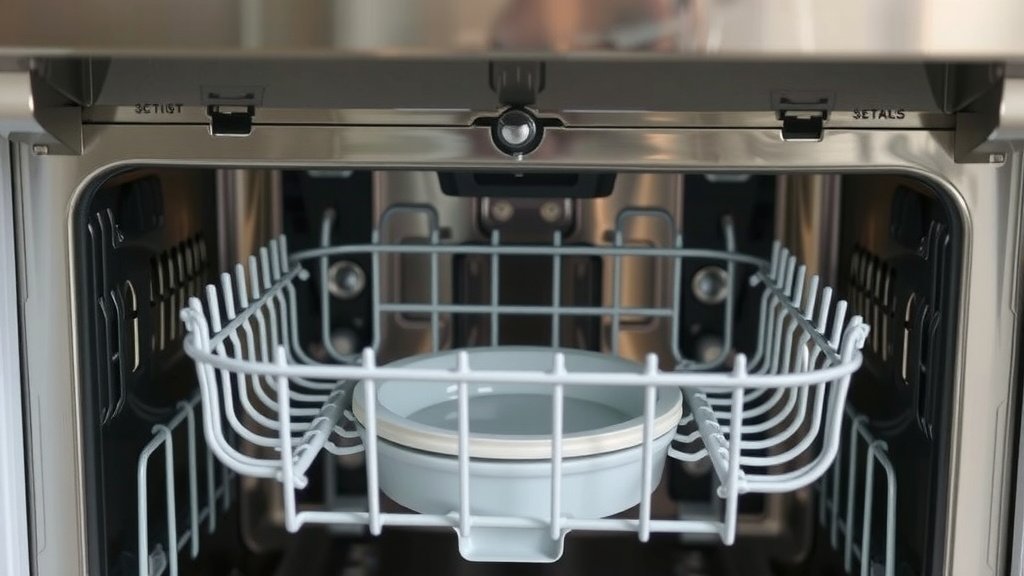
Pour about 1 to 2 cups of white distilled vinegar into a dishwasher-safe bowl or a large measuring cup. Place this container on the bottom rack of your empty dishwasher. This ensures the vinegar is elevated and can circulate effectively during the cycle.
Step 3: Run a Hot Water Cycle
Close the dishwasher door securely. Run your dishwasher on a hot water cycle or a heavy-duty cycle. The hot water will help to loosen any grime, and the vinegar will get to work dissolving the mineral buildup. We recommend using the hottest setting available to maximize the cleaning power.
Step 4: Let it Sit (Optional but Recommended)
Once the wash cycle is complete, don’t open the door immediately. Let the dishwasher sit closed for about 20-30 minutes. This allows the residual vinegar and heat to continue working on stubborn deposits. It’s like giving the vinegar a little extra time to really scrub away the grime.
Step 5: Run a Rinse Cycle
After the sitting period, run a short, plain rinse cycle without any detergent. This step is important to wash away any remaining vinegar and loosened debris. You want to ensure no vinegar residue is left behind, which could potentially affect the taste of your next load of dishes.
Step 6: Inspect and Wipe (If Necessary)
Open the dishwasher and take a look at the heating element. You might see some loosened bits or residue. If there are any visible stubborn spots you can reach, gently wipe them away with a damp cloth or sponge. Many experts suggest this visual check helps confirm the cleaning was successful.
What If Vinegar Doesn’t Work? Other Options
For most situations, the vinegar method is sufficient. However, if you have extremely hard water or very stubborn buildup, you might need to try a different approach. We found that some sources suggest specialized dishwasher cleaning tablets designed for limescale removal.
Using Commercial Dishwasher Cleaners
There are many commercial cleaners available specifically for dishwashers. These products often contain stronger acids or enzymes to tackle tough grime. Always follow the manufacturer’s instructions carefully. Make sure the cleaner is safe for use on your specific dishwasher model. Read labels diligently to avoid damaging your appliance.
Manual Cleaning for Visible Grime
If you can clearly see significant debris clinging to the element, and the vinegar soak didn’t fully remove it, a gentle manual approach might be needed. After running the vinegar cycle and letting it sit, unplug the dishwasher for safety. You can then try to gently scrape or wipe away any remaining visible buildup with a soft brush or cloth. Be extremely careful not to scratch or damage the element. Many appliance repair guides advise against aggressive scrubbing.
Frequency of Cleaning
How often should you clean your dishwasher’s heating element? It really depends on your water hardness and how often you use your dishwasher. As a general guideline, we found that cleaning your dishwasher, including the heating element, once every 1-3 months is a good practice.
Signs Your Heating Element Needs Cleaning
Pay attention to your dishwasher’s performance. If you notice:
- Dishes are not drying properly.
- Wash cycles seem longer than usual.
- You see a white, chalky residue on dishes or glassware.
- Your dishwasher just isn’t cleaning as effectively.
These could all be signs that your heating element needs a little attention. Think of it like a car needing an oil change – essential maintenance!
A Quick Checklist for a Clean Heating Element
Want to make sure you’ve got it covered? Here’s a simple checklist:
- Dishwasher is completely empty.
- Vinegar is measured and ready.
- Container is placed correctly on the bottom rack.
- Hot water cycle is selected.
- Dishwasher door is closed during cleaning and sitting time.
- Rinse cycle is run afterwards.
Conclusion
Keeping your dishwasher’s heating element clean is a simple yet effective way to ensure your appliance runs at its best. You’ve learned how mineral buildup and food debris can hinder performance, leading to longer cycles and less clean dishes. The straightforward vinegar soak method is your go-to for tackling these issues. Remember to perform this maintenance regularly, ideally every 1-3 months, depending on your water conditions. By following these steps, you’ll enjoy sparkling clean dishes and a more energy-efficient dishwasher. Your next step? Schedule a quick vinegar clean for your dishwasher this week!
Frequently Asked Questions
How often should I clean my dishwasher’s heating element?
We recommend cleaning your dishwasher’s heating element every 1 to 3 months. This frequency can vary based on how hard your water is and how often you use your dishwasher. Paying attention to your dishwasher’s performance will help you determine the best schedule for your home.
Can I use something stronger than vinegar if the buildup is really bad?
Yes, if vinegar doesn’t fully tackle stubborn buildup, you can consider using a commercial dishwasher cleaner. Always choose a product designed for limescale removal and carefully follow the manufacturer’s instructions. Ensure it’s safe for your specific dishwasher model to avoid damage.
What if I can see bits of food stuck to the heating element?
After a vinegar soak and rinse cycle, you can gently wipe away any visible debris with a damp cloth or sponge if you can safely reach it. Avoid aggressive scrubbing, as this could scratch or damage the element. A soft brush might also help dislodge stubborn bits.
Will cleaning the heating element really make my dishes dry better?
Yes, a clean heating element is essential for proper drying, especially in models that rely on it for heat during the drying cycle. When the element is coated in minerals, it can’t heat the water efficiently, impacting both washing and drying performance. You should notice improved drying results after cleaning.
Is it safe to leave the vinegar in the dishwasher overnight?
While letting the vinegar sit for 20-30 minutes after the hot cycle is recommended, leaving it overnight is generally not necessary and might be too harsh for some dishwasher components. The combination of hot water and a short sitting period is usually sufficient to break down buildup.