
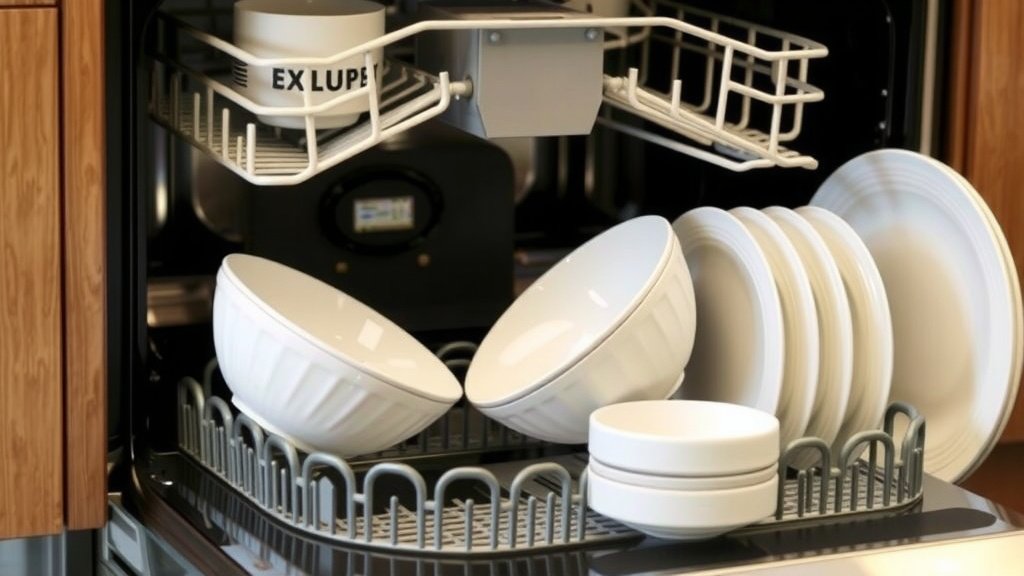
Dishwasher Salt: Is It Really Necessary for Clean Dishes
Yes, dishwasher salt is generally necessary for most dishwashers, especially if you live in an area with hard water. It’s not the same as table salt and plays a vital role in your dishwasher’s performance by preventing limescale buildup. Think of it as essential for keeping your machine running smoothly and your dishes sparkling.
Without it, your dishwasher’s internal components can suffer. Mineral deposits, or limescale, can clog pipes and heating elements. This reduces cleaning efficiency and can lead to costly repairs over time. Many manufacturers recommend its use for optimal results and to maintain warranty.
- Dishwasher salt softens water by removing minerals.
- This prevents limescale buildup on dishes and in the machine.
- It’s different from regular table salt and should not be substituted.
- Using it leads to cleaner dishes and a longer-lasting dishwasher.
- Check your manual; some newer models may not require it.
Let’s break down why this special salt is so important and what happens if you skip it.
You’ve probably seen that little compartment in your dishwasher and wondered, “What’s this for?” That’s where dishwasher salt goes! It might seem like just another thing to buy, but for many of us, it’s a real game-changer for clean dishes.
Why Your Dishwasher Might Need Special Salt
So, is this special salt really a necessity? For most homes, the answer is a resounding yes. It’s all about the water you use. If your tap water is “hard,” it means it has a lot of dissolved minerals, like calcium and magnesium. Your dishwasher salt is designed to tackle these minerals head-on. If you’re seeing white spots and streaks, our guide explains the causes and solutions for dishwasher residue.
Understanding Hard Water and Your Dishwasher
Hard water is super common in many parts of the U.S. When you run your dishwasher, the water heats up. This heating process causes those minerals in the hard water to deposit themselves. They stick to everything inside your dishwasher. Think of it like scale building up in your coffee maker or on your showerhead.
These mineral deposits, or limescale, are the enemy of sparkling dishes and a happy dishwasher. They leave behind a cloudy film on your glassware. They can also build up inside your dishwasher’s pipes and heating elements. This buildup makes your dishwasher less efficient. It has to work harder to clean your dishes, using more energy and water.
How Dishwasher Salt Works Its Magic
Dishwasher salt isn’t for seasoning your food. It’s a specially produced, highly pure form of salt. Its main job is to regenerate the ion-exchange resin inside your dishwasher’s water softening unit. This unit is a key component, especially in areas with hard water.
Here’s a simple breakdown: When hard water enters the dishwasher, it passes through this resin. The resin attracts and holds onto the calcium and magnesium ions. The dishwasher salt is then flushed through the resin. It essentially “cleans” the resin, releasing the trapped minerals and allowing the resin to continue softening water. It’s a continuous cycle to keep your water soft.
Without the salt, the resin gets clogged with minerals. It can no longer effectively soften the water. This is when you start seeing those tell-tale white spots and streaks on your dishes and glasses.
What Happens If You Don’t Use Dishwasher Salt?
Skipping dishwasher salt might seem like a way to save money. However, it can lead to more expensive problems down the line. Think of it as preventative maintenance for your appliance.
The Impact on Your Dishes
The most immediate effect you’ll notice is on your dishes. You’ll likely see a film or streaks on your glasses. Your cutlery might not come out as shiny. Even your plates can have a dull appearance. This isn’t because your dishwasher isn’t cleaning; it’s because the minerals are redepositing as the water evaporates.
We found that in areas with even moderately hard water, the difference in dish clarity is quite noticeable. Many users report that their glassware looks significantly better once they start using dishwasher salt regularly.
Damage to Your Dishwasher Itself
The long-term effects are more serious for your appliance. Those mineral deposits we talked about? They don’t just sit there. They build up inside the dishwasher’s components. This includes the spray arms, pipes, and most importantly, the heating element.
When the heating element is covered in limescale, it can’t heat the water as efficiently. This means your dishwasher might not reach the optimal temperature for cleaning. It also causes the element to work harder, potentially leading to premature failure. Many dishwasher manufacturers consider limescale buildup caused by unsoftened water to be user-caused damage. This could even void your warranty.
Research from appliance experts suggests that regular use of dishwasher salt can extend the life of a dishwasher by several years. They highlight the prevention of clogs and element damage as key benefits.
Dishwasher Salt vs. Table Salt: What’s the Difference?
This is a common question, and it’s important to understand the distinction. Please, do not use table salt in your dishwasher.
Composition and Purity
Table salt often contains additives. These can include anti-caking agents like sodium ferrocyanide. These additives are fine for cooking. However, they can cause problems inside your dishwasher. They might clog the salt dispenser or damage the softening unit.
Dishwasher salt, on the other hand, is highly purified. It’s typically pure sodium chloride. It dissolves completely and cleanly. This ensures it can do its job effectively without introducing unwanted particles into your machine.
Why Substitution Isn’t Recommended
Even if you could find pure, additive-free table salt, it’s still not ideal. The crystal size and density of dishwasher salt are specifically designed for its function. It’s made to be released slowly and efficiently into the water softening system. Using something else might not provide the same level of water softening. You could end up with the same problems of spotting and scale buildup.
Think of it like using the wrong oil in your car. You might get some lubrication, but it’s not what the engine was designed for. Using the correct dishwasher salt is a small investment that protects a much larger one – your appliance.
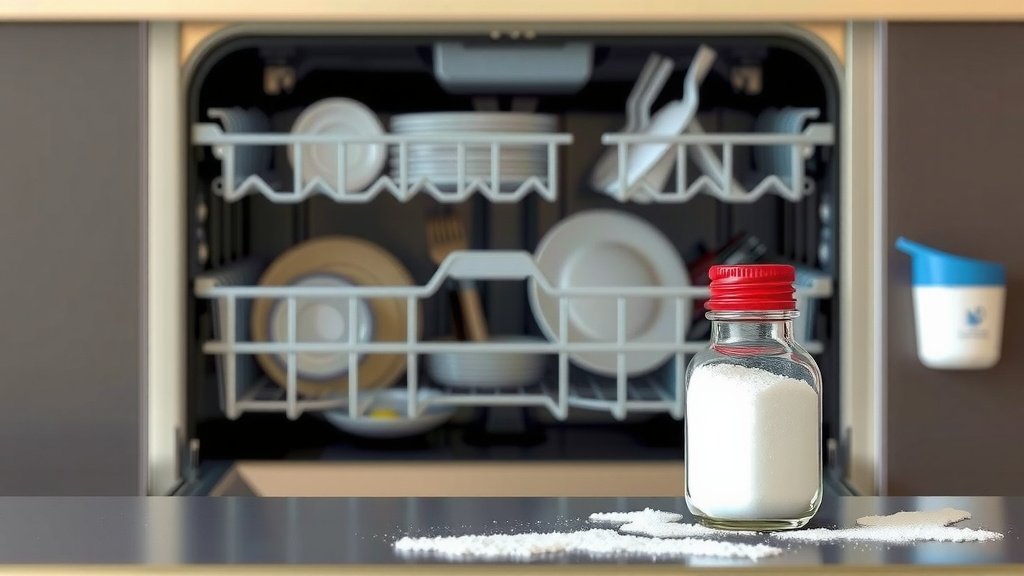
When Might You Not Need Dishwasher Salt?
While we’ve stressed its importance, there are a few scenarios where you might not need it. It all comes down to your water.
Soft Water Areas
If your local water supply is already very soft, your dishwasher’s built-in water softening system might not need the salt. How do you find out? Many water utility companies provide water hardness reports for your area online. You can also buy a simple water hardness test kit.
If your water tests as soft (typically below 75 ppm or 4 grains per gallon), you might be able to skip the salt. However, it’s always wise to check your dishwasher’s manual. Some manufacturers still recommend it for optimal performance.
Dishwashers with Built-in Softeners
Some high-end dishwashers come with advanced, built-in water softening systems that are designed to work differently. They might not have a separate salt compartment at all. If your dishwasher doesn’t have a designated salt dispenser, then you almost certainly do not need it. Always refer to your appliance’s instruction manual.
We found that newer models, especially those with advanced filtration or specific “soft water” settings, might manage water hardness differently. This is where consulting your user manual becomes your best friend.
A Quick Checklist for Dishwasher Salt Users
To make sure you’re getting the most out of your dishwasher and that special salt, consider this quick checklist:
- Check your water hardness level.
- Ensure your dishwasher has a salt compartment.
- Always use salt specifically labeled for dishwashers.
- Refill the salt compartment when the indicator light comes on.
- Clean the salt compartment area occasionally.
- Consult your dishwasher’s manual for specific recommendations.
Conclusion
So, is dishwasher salt necessary? For most homes dealing with hard water, the answer is a definite yes. It’s your primary defense against limescale buildup, keeping your dishwasher running efficiently and your dishes spot-free. Think of it as essential maintenance, preventing costly repairs and ensuring your appliance lasts longer. Always opt for genuine dishwasher salt, never table salt, and remember to check your user manual. If your water is soft or your dishwasher has a specialized system, you might be an exception, but for many of you, adding this salt to your routine will make a noticeable difference in your dishwashing results.
Frequently Asked Questions
How often do I need to add dishwasher salt?
You’ll typically need to add dishwasher salt when the indicator light on your machine comes on. This varies by model and how hard your water is. Some people add it every few weeks, while others might go months between refills. It’s best to keep an eye on that indicator light.
Can I use regular table salt if I run out of dishwasher salt?
No, you absolutely should not substitute regular table salt for dishwasher salt. Table salt contains additives like anti-caking agents that can damage your dishwasher’s water softening system and clog components. Always use salt specifically designed for dishwashers to avoid these issues.
What does “hard water” mean for my dishwasher?
Hard water contains high levels of dissolved minerals, primarily calcium and magnesium. When this water is heated in your dishwasher, these minerals leave behind limescale deposits. This buildup can reduce cleaning performance, leave spots on your dishes, and damage internal parts over time.
My dishwasher doesn’t have a salt compartment, do I need dishwasher salt?
If your dishwasher does not have a dedicated salt compartment, then you do not need to add dishwasher salt. Newer or high-end models may have integrated water softening systems that don’t require separate salt. Always refer to your dishwasher’s user manual to confirm.
How can I tell if my dishwasher needs salt?
Most dishwashers will have a warning light that illuminates when the salt level is low. If you’re noticing increased spotting or a cloudy film on your dishes, especially glassware, even after a wash cycle, it’s a strong indicator that your water isn’t being softened properly and the salt may be depleted.