Easy Dishwasher Limescale Removal: Your Step-by-Step Guide
The easiest way to remove limescale from your dishwasher is by using a specialized dishwasher cleaner or a simple household item like white vinegar. These methods work by dissolving the tough mineral buildup. Regular cleaning prevents future build-up and keeps your dishwasher running efficiently.
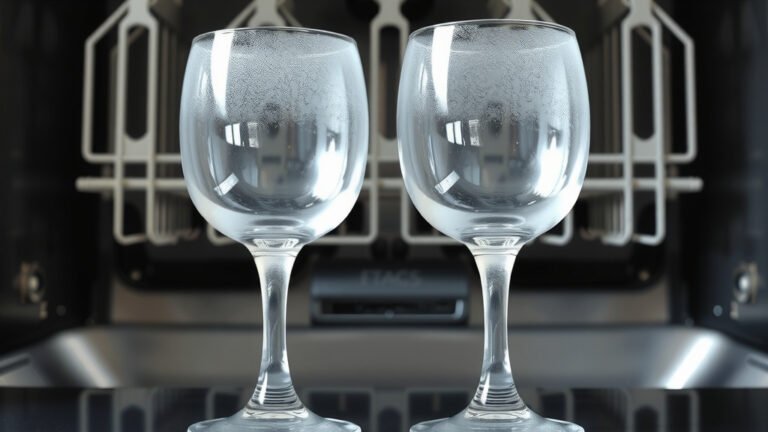
You might notice your dishes aren’t coming out as clean, or perhaps you see white, chalky deposits inside your machine. This is often limescale, caused by hard water. Addressing it quickly ensures your dishwasher performs at its best and avoids potential damage from prolonged mineral exposure.
- Use a commercial dishwasher cleaner or white vinegar.
- Run an empty hot cycle with the cleaner.
- Vinegar is a natural acid that breaks down deposits.
- Regular cleaning prevents future buildup.
- Clean filters and spray arms too.
Let’s walk through the best ways to tackle that stubborn limescale and get your dishwasher sparkling again, step by step.
Getting Rid of Dishwasher Limescale
Seeing white, chalky spots on your clean dishes or inside your dishwasher? That’s likely limescale. It’s a buildup of minerals, primarily calcium, from hard water. Don’t worry, tackling this common issue is usually straightforward. We’ll guide you through the best methods to restore your dishwasher’s shine and efficiency.
Why Limescale is a Problem
Hard water is common in many homes across the U.S. The minerals in it, while harmless to drink, can cause trouble for your appliances. Limescale doesn’t just look unsightly; it can actually hurt your dishwasher’s performance. It can clog spray arms and heating elements. This means less effective cleaning and higher energy bills.
How Limescale Affects Your Dishwasher
Think of limescale as a stubborn guest that overstays its welcome. It coats the inside of your dishwasher, especially on the heating element. This coating prevents the element from heating water efficiently. This forces the machine to work harder, using more electricity. This coating prevents the element from heating water efficiently. This forces the machine to work harder, using more electricity, and our guide explains why dishwashers use hot water.
Over time, this buildup can lead to mechanical problems. It might even shorten the lifespan of your dishwasher. Regular cleaning is like a spa day for your machine. It keeps everything running smoothly.
Your Go-To Methods for Limescale Removal
You have a couple of excellent options for removing existing limescale. Both are simple and use items you might already have. We’re talking about commercial cleaners and good old white vinegar. Both are acids that do a great job of dissolving mineral deposits.
Method 1: Using a Commercial Dishwasher Cleaner
There are many specialized cleaners designed just for this purpose. These products are formulated to be tough on limescale but safe for your dishwasher’s components. They are often the quickest and most effective solution.
How to Use a Commercial Cleaner
- Read the product instructions: Each cleaner is a little different. Follow the directions on the packaging carefully.
- Empty your dishwasher: Make sure there are no dishes or cutlery inside.
- Place the cleaner: Some cleaners come in a tablet or powder form you place in the detergent dispenser. Others are liquids you pour into the bottom of the machine.
- Run an empty hot cycle: Select the hottest water setting your dishwasher has and let it run a full cycle without any dishes.
- Wipe away residue: After the cycle finishes, you might see some loosened scale. You can wipe this away with a damp cloth.
Many experts recommend using these cleaners at least once a month, especially if you have very hard water. This keeps the machine in top shape.
Method 2: The White Vinegar Solution
White vinegar is a natural powerhouse for cleaning. Its acetic acid content is perfect for breaking down the calcium carbonate that makes up limescale. It’s also budget-friendly and readily available.
Using Vinegar for Limescale
This method is straightforward and very effective for moderate limescale. It requires just one main ingredient: plain white distilled vinegar.
- Empty your dishwasher: Just like with commercial cleaners, start with an empty machine.
- Pour vinegar: Pour about two cups of white vinegar directly into the bottom of your dishwasher.
- Run an empty hot cycle: Select the longest, hottest cycle available. The heat and the vinegar will work together to dissolve the scale.
- Check and repeat if needed: Once the cycle is complete, open the door and inspect the interior. If you still see some buildup, you can run another cycle with vinegar.
We found that this method is particularly good for areas that get heavy mineral deposits, like the heating element and the bottom of the tub. It’s a gentle yet effective approach.
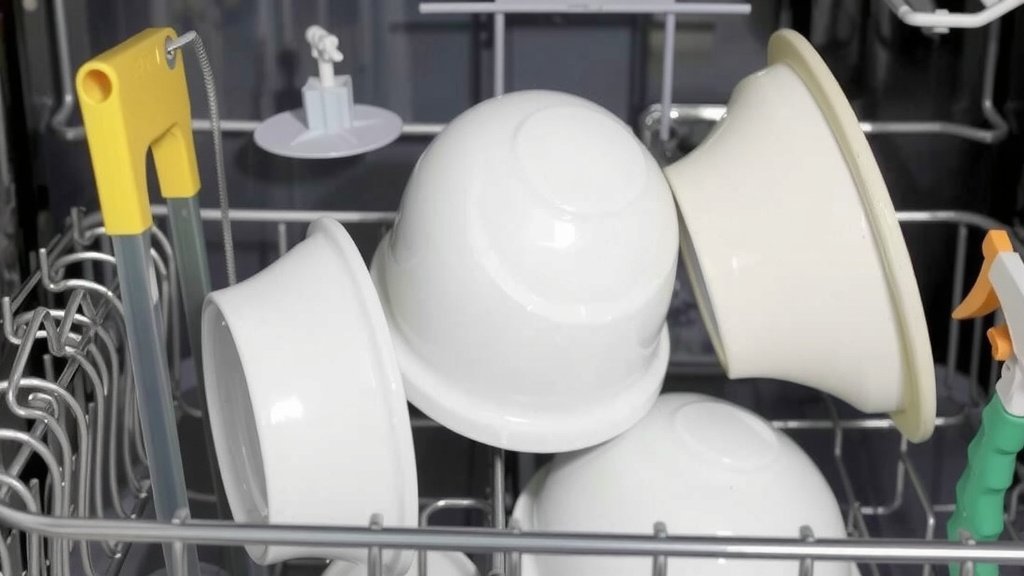
Don’t Forget the Little Things: Filters and Spray Arms
While tackling the main body of your dishwasher, it’s wise to give some attention to smaller components. These parts can also accumulate limescale and food debris, hindering performance.
Cleaning the Dishwasher Filter
Most modern dishwashers have a filter at the bottom to catch food particles. If this gets clogged, water can’t drain properly, and cleaning suffers.
- Locate the filter: Consult your dishwasher’s manual if you’re unsure. It’s usually in the bottom rack area.
- Remove and rinse: Carefully twist and lift out the filter assembly. Rinse it under warm running water.
- Scrub if necessary: For stubborn grime or scale, use a soft brush (like an old toothbrush) and a little dish soap.
- Reassemble: Make sure the filter is properly seated back in place before running the dishwasher.
Cleaning your filter weekly can prevent many common dishwasher issues.
Checking the Spray Arms
The spray arms have small nozzles that shoot water. If these get blocked by limescale or food bits, your dishes won’t get a thorough washing. You might even hear unusual noises from the machine.
- Inspect the arms: Check if the holes look clear.
- Unclog with a toothpick: If you see blockages, use a toothpick or a small needle to gently poke them clear.
- Soak if severe: For heavy buildup, you can remove the spray arms (again, check your manual) and soak them in a bowl of white vinegar for a few hours.
- Rinse and reattach: After soaking, rinse them thoroughly and reattach them to the dishwasher.
Many appliance repair guides suggest this simple check can drastically improve washing performance.
Preventing Future Limescale Buildup
The best defense is a good offense, right? Preventing limescale from returning is key to keeping your dishwasher in prime condition.
Here’s a quick checklist for ongoing care:
- Run a hot cycle with vinegar monthly.
- Clean the filter regularly.
- Check spray arms for clogs.
- Use the correct amount of detergent.
- Consider a whole-house water softener if hard water is severe.
By incorporating these simple habits, you can enjoy sparkling clean dishes and a well-functioning dishwasher for years to come.
Conclusion
Tackling limescale in your dishwasher doesn’t have to be a chore. You’ve learned that both specialized cleaners and simple white vinegar are effective tools for dissolving that stubborn mineral buildup. Remember to also give some attention to your dishwasher’s filter and spray arms for optimal performance. By incorporating regular cleaning into your routine, you can prevent future issues and keep your machine running efficiently. Your next step is to choose your preferred method and schedule your first cleaning session this month!
Frequently Asked Questions
Can I use a dishwasher pod to clean limescale?
Dishwasher pods are primarily designed for cleaning dishes, not for deep cleaning the machine itself. While they contain detergents, they typically lack the concentrated acids needed to effectively break down heavy limescale buildup. For limescale removal, stick to dedicated dishwasher cleaners or white vinegar.
How often should I clean my dishwasher for limescale?
If you have hard water, cleaning your dishwasher for limescale once a month is a good practice. For areas with very hard water, you might consider cleaning it every two to three weeks. Regular cleaning prevents significant buildup and keeps your machine running smoothly.
Is it safe to run vinegar through my dishwasher?
Yes, it is safe to run white vinegar through your dishwasher. The acetic acid in vinegar is a natural cleaner that effectively breaks down mineral deposits without damaging your dishwasher’s components. Just ensure you run an empty hot cycle afterward.
What if vinegar doesn’t remove all the limescale?
If vinegar alone doesn’t completely remove tough limescale, try a commercial dishwasher cleaner specifically designed for this purpose. These products often have stronger formulations. For very stubborn spots, you might need to gently scrub with a soft brush after the cleaning cycle.
Will limescale damage my dishwasher over time?
Yes, prolonged limescale buildup can damage your dishwasher. It can clog spray arms, coat heating elements, and force the machine to work harder, increasing energy consumption and potentially shortening its lifespan. Regular cleaning is key to preventing this damage.