How Long Does a Dishwasher Last? Average Lifespan Explained
Your dishwasher likely lasts between 7 to 15 years. This lifespan depends heavily on how well you care for it and the quality of the appliance itself. Many reliable brands offer models that can reach the higher end of this range with proper maintenance.
Understanding your dishwasher’s potential lifespan helps you budget for replacements. It’s not just about how long it runs, but also about its efficiency and features. Newer models often boast energy savings and improved cleaning power compared to older ones.
TL;DR:
- Average dishwasher lifespan: 7-15 years.
- Care and brand quality matter most.
- Budgeting for replacement is wise.
- Newer models offer better efficiency.
- Regular maintenance extends life.
Let’s dive into the factors that influence your dishwasher’s longevity and how you can maximize its years of service.
How Long Can You Expect Your Dishwasher to Serve You?
You’re probably wondering about the actual lifespan of your trusty kitchen helper. We found that most dishwashers can reliably clean your dishes for about 7 to 15 years. This range isn’t arbitrary; it’s based on average usage and maintenance habits across many households. Think of it like a good pair of shoes – with care, they last much longer than if you just toss them around.
Several factors play a role in determining if your dishwasher leans towards the 7-year mark or pushes towards 15. Understanding these can help you make informed decisions, whether you’re buying a new one or trying to extend the life of your current machine.
Factors That Determine Your Dishwasher’s Longevity
Brand Reputation and Build Quality
Just like with cars or appliances, some brands are known for building more durable products. Higher-end models often use sturdier materials for components like the racks, pump, and motor. We found that brands that invest more in research and development tend to produce machines that last longer. This isn’t always about the most expensive option, but about a brand’s commitment to quality engineering.
Usage Frequency and Load Size
How often do you run your dishwasher? A machine used daily will naturally experience more wear and tear than one used only a few times a week. Running a full load is also key. Overloading can strain the motor and spray arms, while running half-loads wastes water and energy, and means you’re likely running it more often than necessary. Many experts suggest running your dishwasher only when it’s completely full.
Water Hardness and Mineral Buildup
Hard water, which is common in many areas, contains high levels of minerals like calcium and magnesium. Over time, these minerals can build up inside your dishwasher, particularly on heating elements and spray arms. This buildup can reduce efficiency and lead to component failure. We found that using a dishwasher salt or a rinse aid specifically designed for hard water can help mitigate this issue (Many plumbing associations recommend this).
Type of Detergent Used
The type of detergent you use can also impact your dishwasher’s life. Older dishwashers might not perform well with newer, concentrated detergents. Conversely, some older detergents contained phosphates, which were great for cleaning but bad for the environment. Modern detergents are often formulated differently. We found that using a high-quality detergent recommended by the manufacturer is usually best. Avoid using too much, as it can lead to excess suds and damage.
Signs Your Dishwasher Might Be on Its Last Legs
Your dishwasher is like any other appliance; it will show signs of aging. Keeping an eye out for these issues can help you prepare for a replacement before a total breakdown. Early detection often means less stress and potentially lower emergency repair costs.
Persistent Leaks
A small drip now and then might be easily fixed. However, if you notice water pooling around the base of your dishwasher regularly, it’s a serious sign. This could indicate worn-out seals, a cracked tub, or a problem with the pump. These are often expensive repairs that might not be worth it on an older unit.
Unusual Noises
Dishwashers aren’t silent, but they shouldn’t sound like they’re grinding rocks or making loud clanging noises. Grinding sounds often point to a problem with the pump or motor. Squealing or high-pitched noises could indicate issues with the fan or motor bearings. If the sounds are new and getting worse, it’s time to pay attention.
Inconsistent Cleaning Performance
Are your dishes coming out still dirty, even after a full cycle? This is a common indicator of a problem. It could be clogged spray arms, a faulty pump, or issues with the water inlet valve not allowing enough water in. Sometimes, it’s a simple fix like cleaning the filter, but persistent poor performance suggests deeper issues.
Problems with Draining
If your dishwasher leaves standing water at the bottom after a cycle, it’s not draining properly. This could be due to a clogged drain hose, a problem with the drain pump, or a blockage in the air gap or garbage disposal connection. A dishwasher that can’t drain is essentially useless.
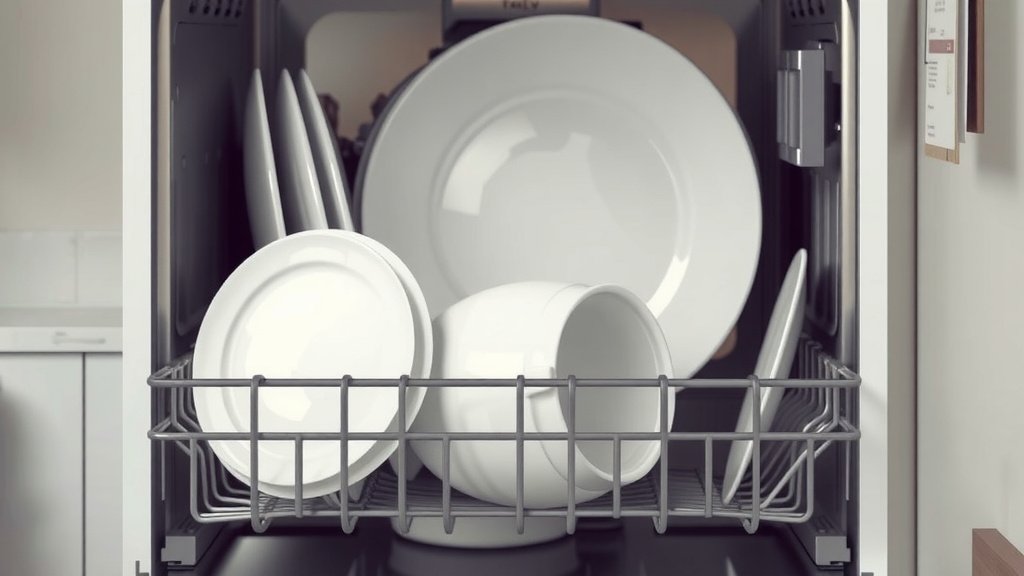
Maximizing Your Dishwasher’s Lifespan: Simple Maintenance Tips
The good news is you have a lot of control over how long your dishwasher lasts. Regular, simple maintenance can make a huge difference. Think of it as a little bit of effort now saving you a lot of headache later. We found that most households can implement these tips easily.
Clean the Filter Regularly
This is perhaps the most important maintenance task. Most dishwashers have a filter at the bottom of the tub that catches food particles. If this gets clogged, it hinders draining and can cause odors and poor cleaning. We found that rinsing this filter weekly or bi-weekly is a simple habit that pays off. Check your manual for its exact location and cleaning instructions.
Wipe Down Seals and Door Edges
Food debris and grime can accumulate around the door gasket. This can lead to leaks and odors. A quick wipe down with a damp cloth after a few washes helps keep things clean and ensures a good seal. This simple step can prevent future problems.
Run an Empty Hot Cycle with Vinegar or a Cleaner
Once a month or so, run your dishwasher empty on the hottest setting with a cup of white vinegar placed securely on the top rack. This helps break down mineral deposits and grime inside the machine. You can also use a commercially available dishwasher cleaner for a similar effect. This deep clean can prevent buildup.
Check and Clean Spray Arms
The small holes in your spray arms can get clogged with food particles or mineral deposits. If they’re blocked, water won’t spray effectively, leading to dirty dishes. You can often remove the spray arms (check your manual!) and rinse them under warm water. Use a toothpick or small brush to clear any stubborn blockages. Many appliance repair sites recommend this as a common fix for poor cleaning.
What About Repairs?
When something does go wrong, you have a decision to make: repair or replace? If your dishwasher is relatively new (under 5 years old) and the repair cost is less than 50% of a new machine’s price, repairing is often the logical choice. However, if your dishwasher is older, has had multiple issues, or the repair is costly, it might be more economical to put that money towards a new, more energy-efficient model.
We found that for dishwashers approaching the 10-year mark, even a seemingly minor repair can sometimes be a sign that other components are nearing the end of their life. It’s always wise to get a quote from a reputable appliance repair service and consider the overall age and condition of the unit.
Here’s a quick checklist to help you remember essential maintenance:
- Clean the filter: At least monthly, more if you have hard water.
- Wipe down door seals: After a few uses, prevent grime buildup.
- Run a cleaning cycle: Use vinegar or a cleaner monthly for a deep clean.
- Check spray arms: Ensure holes are clear for optimal water flow.
- Don’t overload: Allow water and detergent to reach all dishes.
- Use the right detergent: Follow manufacturer recommendations.
Conclusion
You now know that your dishwasher’s lifespan is a mix of its quality and your care. Most machines last between 7 to 15 years, but you can influence that number. Regular cleaning, using the right products, and running full loads are simple habits that extend its service. Paying attention to warning signs like leaks or unusual noises can help you avoid a breakdown. When repairs are needed, weigh the cost against buying a new, more efficient model. Your efforts today can ensure your dishwasher keeps your kitchen running smoothly for years to come.
Frequently Asked Questions
What’s the most common reason a dishwasher stops working?
The most frequent culprits behind a dishwasher failure are issues with the drain pump or a clogged filter. Food debris can block the filter, preventing proper draining. A faulty drain pump can also cause water to remain in the tub. We found these are common repair calls.
Can I make my older dishwasher clean better?
Yes, often you can! Regularly cleaning the filter and spray arms is key for optimal performance. Running an empty hot cycle with vinegar or a specialized dishwasher cleaner can remove buildup. These steps help ensure water and detergent reach all your dishes effectively.
Is it better to repair a dishwasher or buy a new one?
This depends on the dishwasher’s age and the repair cost. If your machine is under 5 years old and the repair is less than half the price of a new one, repair is usually wise. For older units or costly repairs, a new, energy-efficient model might be more economical long-term.
How often should I really clean my dishwasher filter?
We found that cleaning your dishwasher filter at least once a month is ideal for most households. If you have particularly hard water or notice a decrease in cleaning performance, you might want to check and clean it more often, perhaps every two weeks.
Does the type of detergent truly affect how long a dishwasher lasts?
Yes, it can. Using a high-quality detergent recommended by your dishwasher’s manufacturer is best. Too much detergent can create excessive suds that may damage components or lead to leaks. Conversely, using a detergent that’s too weak might require running the machine more often, increasing wear and tear.