Understanding the Quick Wash Cycle: Faster Laundry Explained
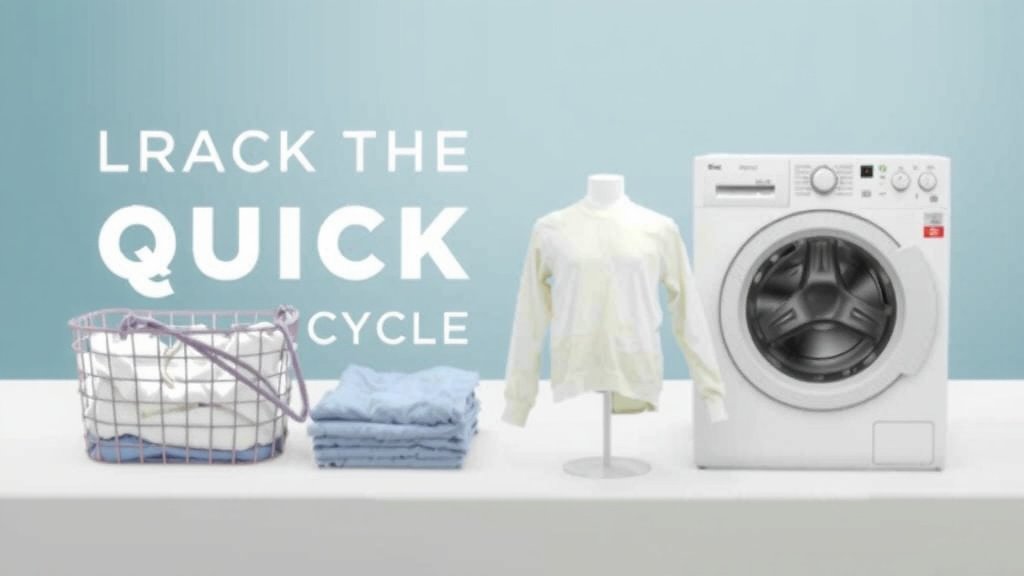
The quick wash cycle is a laundry setting designed for lightly soiled clothes that need a refresh, not a deep clean. It uses a shorter wash time and often a lower water temperature to save energy and water. Think of it as a speedy spa day for your less dirty items.
Many washing machines include this cycle as a convenient option for busy households. You might wonder if it really gets your clothes clean. Research suggests it’s best for items you’ve worn only once or those that aren’t visibly dirty, such as gym clothes or pajamas.
- Quick wash is for lightly soiled clothes.
- It uses less time and often cooler water.
- Ideal for refreshing clothes, not deep cleaning.
- Saves energy and water.
Let’s dive into what makes the quick wash cycle tick and when it’s your laundry day’s best friend.
Understanding Your Washing Machine’s Quick Wash Cycle
So, you’ve got a load of laundry that isn’t exactly caked in mud but isn’t exactly pristine either. You’re probably wondering, “What exactly *is* this ‘quick wash’ thing, and can it actually get my clothes clean?” You’re not alone! Many of us have eyed that button on our washing machine, curious about its magic. We’re here to demystify the quick wash cycle for you.
What Makes a Quick Wash Different?
The primary difference lies in the speed and intensity. A quick wash cycle is designed to be significantly shorter than standard cycles. Think minutes, not hours. This is achieved by using less water, a faster spin speed, and sometimes a reduced amount of detergent. The wash and rinse actions are often less vigorous too. It’s all about efficiency for lightly soiled items.
Shorter Cycle Times
Most standard wash cycles can last anywhere from 45 minutes to over an hour. A quick wash, on the other hand, can often complete its job in as little as 15 to 30 minutes. This is a huge time saver for busy households. You can run a load while you’re grabbing a quick coffee or getting ready for your day. It’s a real lifesaver when you’re in a hurry.
Water and Energy Savings
Because quick wash cycles use less water and often run at lower temperatures, they are more energy-efficient. This is good for your wallet and the environment. Research by the Department of Energy shows that water heating accounts for a substantial portion of home energy use (U.S. Department of Energy). Using cooler water in your wash cycle can therefore lead to noticeable savings.
When to Use the Quick Wash Cycle (And When Not To)
This cycle is your go-to for certain types of laundry. It’s not a one-size-fits-all solution, though. Using it for heavily soiled items can lead to disappointment. Let’s break down the best uses.
Perfect for Lightly Soiled Items
The quick wash is ideal for clothes you’ve only worn once. Think of your pajamas, a shirt you wore for a few hours at home, or a sweater you only put on for a short outing. These items don’t need a deep scrub to remove stubborn stains or odors. A quick refresh is usually all they require. It’s like a breath of fresh air for your wardrobe.
Refreshing Activewear
Did you just finish a light workout or yoga session? Your gym clothes might be a bit sweaty but not truly dirty. A quick wash is perfect for giving them a speedy refresh. It helps remove light odors and sweat without wearing out the delicate fabrics too quickly. Many sports fabrics benefit from gentler, shorter washes.
Dealing with Small, Urgent Loads
Imagine you’re heading out for an important event and realize your favorite outfit is in the hamper. A quick wash can be a lifesaver! If it’s just a few items that need a quick sprucing up, this cycle can get them clean and ready to wear in no time. It’s about having your clothes ready when you need them most.
What to Avoid
Now for the flip side. If your clothes have visible stains, are covered in mud, or have been exposed to strong odors (like smoke or mildew), a quick wash is probably not your best bet. These situations require longer wash times and often hotter water temperatures to effectively break down and remove the grime. Trying to tackle tough stains with a quick wash might leave you with disappointing results. You’ll likely need a more robust cycle to get the job done right.
How Does It Actually Work?
Washing machines are clever machines. They adjust various settings to achieve the desired outcome for each cycle. The quick wash cycle is no different. It manipulates a few key elements to get things done fast.
Reduced Wash Time
This is the most obvious change. The drum simply doesn’t tumble and agitate for as long. This means less mechanical action on your clothes. The machine is programmed to complete the necessary washing and rinsing steps in a compressed timeframe. It’s a streamlined process.
Water Level and Temperature Adjustments
Many quick wash cycles are designed to use less water. This helps reduce the time it takes to fill and drain the machine. They also often default to a cooler water temperature, like cold or warm, rather than hot. While hot water is great for sanitizing and tackling grease, cooler water is perfectly adequate for light soils and is much more energy-efficient (Energy Star). Some machines might allow you to adjust the temperature, but the default is usually lower.
Spin Speed Considerations
The spin cycle at the end of the wash is usually a bit faster. A higher spin speed extracts more water from your clothes, which means they will come out of the machine drier. This can also help reduce drying time, saving you even more energy if you use a dryer. It’s a smart way to optimize the whole laundry process.
Quick Wash Cycle vs. Other Cycles: A Quick Comparison
It can be helpful to see how the quick wash stacks up against other common settings on your washing machine. This will give you a clearer picture of when to choose which.
| Cycle Name | Best For | Typical Duration | Water Temp (Default) | Intensity |
|---|---|---|---|---|
| Quick Wash | Lightly soiled, refresh | 15-30 minutes | Cold/Warm | Low |
| Normal/Cotton | Everyday loads, moderately soiled | 45-70 minutes | Warm/Hot | Medium |
| Heavy Duty | Very dirty items, tough stains | 60-90+ minutes | Hot | High |
| Delicates | Lingerie, silk, lace | 30-45 minutes | Cold | Very Low |
Making the Most of Your Quick Wash
To ensure you get the best results from your quick wash cycle, follow these simple tips:
- Don’t overload the machine: Give clothes room to move for a better clean.
- Use the right amount of detergent: Too much can lead to rinsing issues.
- Check garment care labels: Ensure the cycle is suitable for your fabrics.
- Pre-treat tough stains: Address spots before washing for better removal.
- Inspect clothes post-wash: If items aren’t clean enough, try a different cycle.

Conclusion
You’ve now got a clear understanding of your washing machine’s quick wash cycle. Remember, it’s your best friend for giving lightly worn clothes a fast refresh. Think of it as the perfect setting for that shirt you wore for just a few hours or your gym clothes after a quick workout. It saves you precious time and can even cut down on energy use by utilizing cooler water and shorter run times. Don’t reach for it for heavily soiled items, though – that’s when you’ll need a more robust cycle. Make the quick wash work for you by ensuring your loads aren’t too big and by checking those care labels.
Frequently Asked Questions
Can I use quick wash for clothes that smell a little?
Yes, for light odors like sweat from a short wear, a quick wash can be effective. It’s designed to freshen up items that aren’t truly dirty. For strong odors, however, a longer cycle with hotter water might be necessary for proper cleaning.
How much detergent should I use on a quick wash?
You should generally use less detergent than for a standard cycle. Since the wash time is shorter and the water volume might be lower, using too much detergent can lead to poor rinsing. Check your detergent’s packaging for recommendations based on load size and soil level.
Will quick wash get rid of stains?
Generally, no. Quick wash cycles are not designed for stain removal. They are best for lightly soiled items that need a quick refresh. For visible stains, you’ll need to pre-treat them and use a longer, more intensive wash cycle.
Is quick wash safe for all fabrics?
For most common fabrics, yes, especially if they are lightly soiled. However, always check your garment’s care label first. Delicates might benefit more from a dedicated “delicates” cycle, which is typically gentler even if it takes a bit longer than some quick wash settings.
How much time does a quick wash cycle actually save?
A quick wash cycle can typically save you between 30 to 60 minutes compared to a standard wash cycle. Standard cycles can range from 45 minutes to over an hour, while a quick wash might only take 15 to 30 minutes to complete.