Find Your Dishwasher Salt Compartment Easily
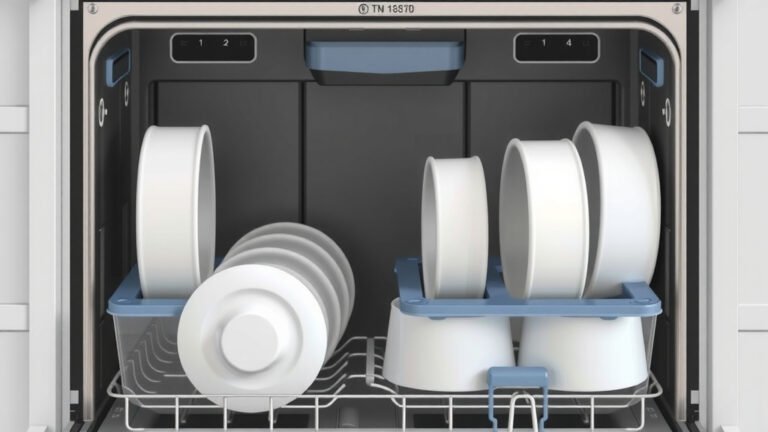
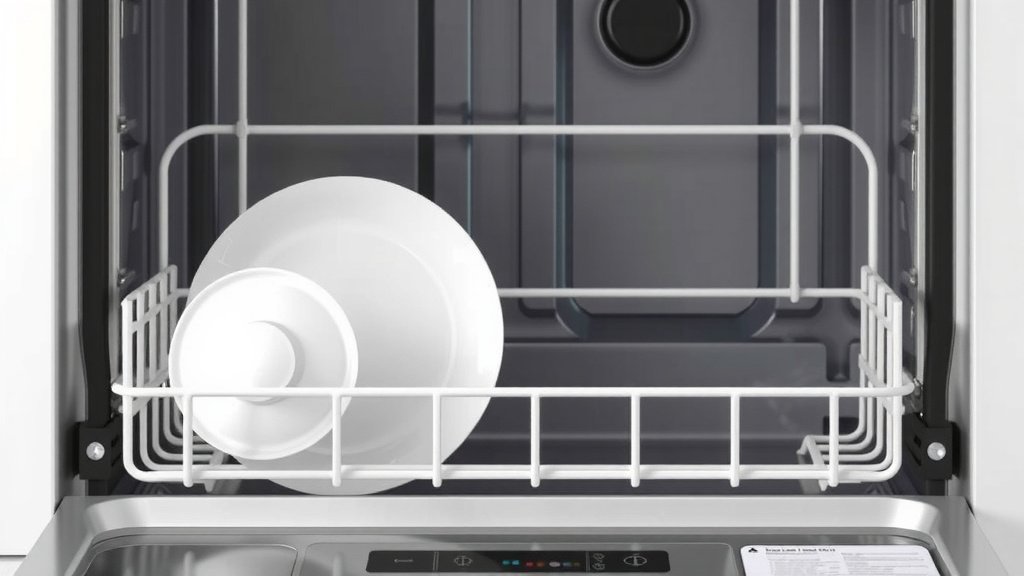
Your dishwasher’s salt compartment is typically found on the bottom inside of the machine. It looks like a round cap or lid. You’ll usually see it on the floor of the dishwasher tub, often near the spray arm. It’s where you add special dishwasher salt to help soften hard water and improve cleaning performance.
Understanding where this compartment is makes adding salt much easier. This little component is vital for your dishwasher to work its best, especially if you have hard water. Many users overlook this part, but filling it correctly can make a big difference in your dishes’ shine. It prevents limescale buildup, too!
- Dishwasher salt helps soften water.
- It prevents spots and film on dishes.
- The salt compartment is usually on the floor.
- Look for a round cap or lid.
- Adding salt regularly is important for performance.
Below, we’ll show you exactly where to find that salt compartment and how to fill it so your dishwasher can do its best work for you.
So, you’ve got your dishes sparkling, but you might be wondering about that little cap at the bottom of your dishwasher. That’s where the magic happens for tackling hard water! Finding it is usually quite straightforward, and once you know where it is, you’ll be a pro at keeping your dishwasher running smoothly.
Locating Your Dishwasher’s Salt Reservoir
The salt compartment is almost always located on the floor inside your dishwasher tub. Think of it as the machine’s secret weapon against limescale and water spots. Most models hide it under a removable rack or near one of the spray arms for easy access.
A Visual Guide to the Salt Compartment
Imagine the bottom of your dishwasher as a small underwater landscape. You’ll likely see a circular or square-shaped lid. This lid is usually twist-off, similar to a jar lid. Sometimes, it might be a push-to-open kind of button. Many users find it helpful to remove a lower rack first to get a clear view.
Common Compartment Designs
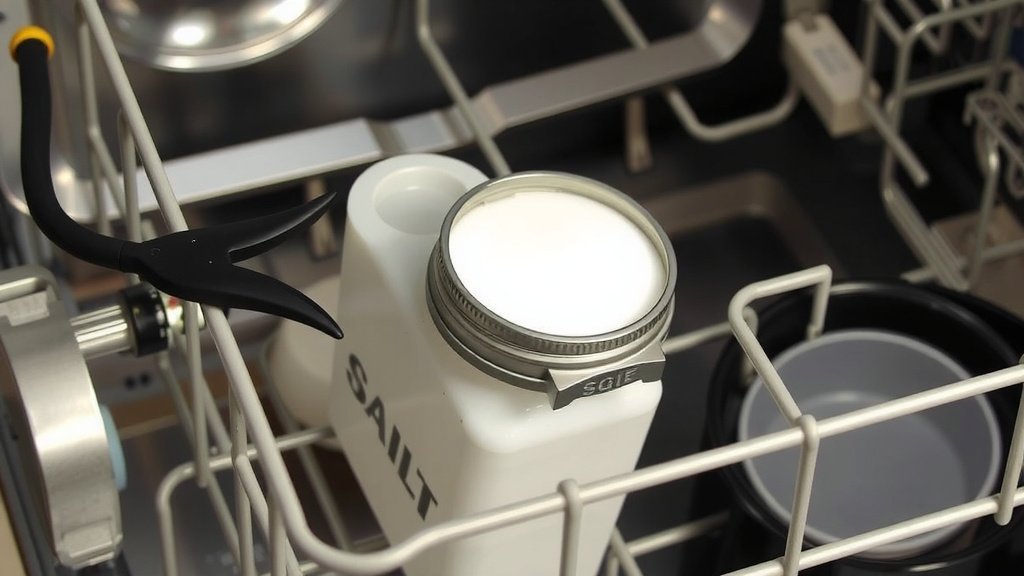
Most dishwasher salt compartments look like a round, screw-top cap. It’s often a different color than the rest of the tub, maybe blue or gray, to make it stand out. Some newer models might have a slightly different mechanism, but the general idea is a covered opening on the floor of the machine.
Why is This Compartment Important?
Hard water contains minerals like calcium and magnesium. These minerals can leave behind a white, chalky residue on your dishes and inside your dishwasher. Dishwasher salt works with the machine’s built-in water softening system. It helps to remove these minerals before they cause trouble. Research from consumer product testing organizations often highlights the effectiveness of dedicated dishwasher salt for improving wash results in hard water areas.
The Role of Dishwasher Salt in Water Softening
Your dishwasher has an ion-exchange resin that captures the hard minerals. This resin needs to be regenerated periodically. The salt you add dissolves and is used to clean the resin, making it ready to capture more minerals. This cycle ensures your detergent can work effectively and prevents limescale buildup, as noted by many appliance manufacturers.
Step-by-Step: Finding the Compartment on Different Brands
While the location is generally consistent, a quick check can save you frustration. Most brands follow a similar design philosophy for this part. Let’s break down how to find it on common types of dishwashers.
Common Brands and Their Salt Reservoir Locations
For brands like Bosch, Siemens, and Neff, the salt compartment is typically found on the bottom of the dishwasher tub. You might need to twist off a blue cap. Whirlpool, KitchenAid, and Maytag models also usually feature a salt compartment on the floor, often under the lower spray arm. GE dishwashers tend to place it in a similar spot. Samsung and LG often have a cap on the very bottom. It’s always a good idea to glance at your owner’s manual for the exact placement if you’re unsure.
| Dishwasher Brand | Likely Location | Appearance |
|---|---|---|
| Bosch, Siemens, Neff | Floor of the dishwasher tub | Often a blue, screw-off cap |
| Whirlpool, KitchenAid, Maytag | Floor, sometimes near the lower spray arm | Screw-off cap, may be gray or white |
| GE | Bottom of the dishwasher tub | Usually a round, twist-off lid |
| Samsung, LG | Floor of the tub, often centrally located | Distinctive cap, typically screw-on |
What If You Can’t Find It? Troubleshooting Tips
It’s rare, but sometimes the compartment can be tricky to spot. First, try removing the lower dish rack completely. This gives you the best vantage point. Look for any circular, removable caps on the plastic floor of the tub. If you still can’t locate it, consult your dishwasher’s manual. It will have a diagram showing exactly where it is. Some very old or compact models might not have a dedicated salt dispenser, but this is uncommon for modern machines.
Common Mistakes to Avoid
A frequent mistake is using regular table salt or other types of salt. Always use Don’t confuse the salt compartment with the rinse aid dispenser, which is usually a smaller, separate compartment often located inside the door.special dishwasher salt. It’s specially formulated to dissolve properly and not harm your machine. Also, don’t confuse the salt compartment with the rinse aid dispenser, which is usually a smaller, separate compartment often located inside the door.
Why Regular Salt Filling Matters for Your Dishes
Keeping that salt compartment full is key, especially if your tap water is hard. When the salt level is low, the water softening system can’t work efficiently. This leads to noticeable spots and film on your glassware and cutlery. You might also see cloudy residue on your dishes after a cycle. Keeping it topped up helps ensure your detergent can lather properly and that minerals don’t interfere with the cleaning process.
Signs Your Dishwasher Needs Salt
Many dishwashers have an indicator light that will illuminate when the salt level is low. If you don’t have this feature, you might notice symptoms like dull-looking glasses or white streaks on darker items. This is your dishwasher’s way of telling you it’s thirsty for some salt! Regular checks, especially if you live in a hard water area, are a good idea.
A Quick Checklist for Salt Compartment Maintenance
Here’s a simple way to remember what to do:
- Locate the compartment on the dishwasher floor.
- Check the salt indicator light regularly.
- If no light, visually inspect salt levels monthly.
- Always use designated dishwasher salt.
- Fill it when low, but don’t overfill.
- Ensure the cap is securely closed after filling.
Conclusion
You’ve learned that your dishwasher’s salt compartment is a small but mighty part of keeping your dishes sparkling. We’ve shown you it’s typically found on the bottom inside of your machine, usually under a twist-off cap. Remember, using special dishwasher salt is key to combating hard water and preventing those annoying spots and films. Don’t let your dishwasher’s cleaning power go to waste! Now that you know where to find it, make checking and filling your salt compartment a regular part of your routine. Your glasses will thank you for it!
Frequently Asked Questions
Can I use regular table salt in my dishwasher?
No, you should never use regular table salt. Dishwasher salt is specifically designed to dissolve correctly without damaging your machine’s internal components. Table salt contains additives that can clog the system and lead to costly repairs.
What if my dishwasher doesn’t have a salt compartment?
Most modern dishwashers, especially those in areas with hard water, have a salt compartment. If you truly cannot find one after thoroughly checking, your machine might not be equipped with a water softening system, or it could be a very old or compact model. Consult your owner’s manual to be sure.
How often should I refill the salt compartment?
This depends on your water hardness and how often you run your dishwasher. Many dishwashers have an indicator light that tells you when the salt is low. If yours doesn’t, check the salt level visually each month. You’ll know it’s time to refill when you start seeing spots on your dishes.
Is the salt compartment the same as the rinse aid dispenser?
No, they are different. The rinse aid dispenser is usually found on the inside of the dishwasher door and holds liquid rinse aid. Dishwasher salt is a granular substance found in a compartment on the floor of the tub. Both help with cleaning but serve distinct purposes.
What happens if I forget to add dishwasher salt?
If you have hard water and forget to add dishwasher salt, your dishwasher’s water softening system won’t work effectively. This can lead to a buildup of mineral deposits, resulting in cloudy dishes, streaks, and spots. Your detergent may also not work as well, impacting overall cleaning performance.