Fix Cloudy Dishwasher Glasses: A Simple Guide
The easiest way to clean cloudy glasses in your dishwasher is to ensure you’re using the right detergent and rinse aid. You also need to check your dishwasher’s water temperature settings. Often, cloudy glassware is caused by mineral deposits or etching, and a few simple adjustments can make your glasses sparkle again.
This common problem can be frustrating when your favorite drinking glasses look dull. We found that many factors contribute to dishwasher haze, from hard water issues to how you load your machine. By understanding these causes, you can easily prevent and fix cloudy glasses, restoring their shine.
- Use a detergent designed for dishwashers.
- Always add rinse aid for better drying.
- Check your dishwasher’s water temperature.
- Properly load your dishwasher to avoid obstruction.
Let’s dive into the simple steps you can take to make your cloudy glasses look brand new again.
“`htmlTroubleshooting Cloudy Dishwasher Glasses
Seeing your favorite glasses come out of the dishwasher looking dull and hazy is super disappointing. You spent good money on them, and now they look like they’ve been through a sandstorm. Don’t toss them out just yet! We found that most of the time, this cloudiness isn’t permanent damage. It’s usually a sign of something specific going on with your wash cycle. Let’s figure out what’s making them cloudy and how to fix it.
Understanding the Causes of Cloudy Glassware
Before we dive into the fixes, it helps to know why this happens. Cloudiness on your glasses isn’t just one thing; it’s often a combination of factors. We found that the most common culprits are mineral deposits from hard water and etching, which is a more permanent form of damage. Sometimes, it’s just leftover detergent residue. Understanding these differences is key to getting your glasses truly clear again.
Mineral Deposits (White Haze)
When you have hard water, it’s loaded with minerals like calcium and magnesium. Your dishwasher can’t always rinse these away completely. They get left behind on your glassware, creating that familiar white, hazy film. We found that this type of cloudiness often looks like a light coating. It’s especially noticeable on colored glasses. Good news: this kind of haze is usually fixable with a few simple steps.
Etching (Permanent Cloudiness)
Etching is a bit more serious than mineral deposits. It happens when the glass itself is actually damaged. This is often caused by using too much of the wrong kind of detergent, or if your dishwasher water is too hot. Unlike mineral deposits, etching is permanent. It actually changes the surface of the glass, making it appear cloudy. We found that etched glass often feels rough to the touch. Sadly, there’s no magic cleaning trick to reverse etching. The best approach is to prevent it from happening in the first place.
Detergent Residue
Sometimes, cloudy glasses are simply a result of too much detergent. If your dishwasher isn’t rinsing properly, or if you’ve accidentally put in too much soap, it can leave a film behind. This is more likely to happen if you use powdered detergents that don’t dissolve well. We found that this type of residue can often be wiped away with a damp cloth. If it persists, it might indicate a loading issue or a problem with your rinse cycle.
Steps to Restore Your Cloudy Glasses
Now for the good stuff – how to get those glasses sparkling again! We found that most of the time, you can tackle this problem with adjustments to your usual dishwasher routine. It’s less about scrubbing and more about optimizing the wash cycle. Get ready to say goodbye to that dull film!
The Vinegar Soak Method
This is a go-to trick for mineral deposits. White vinegar is acidic, which helps break down those stubborn mineral films. We found that this method is very effective for lifting that chalky residue.
- Find a large bowl or your sink.
- Fill it with enough white vinegar to submerge your cloudy glasses.
- Let them soak for about 15-30 minutes.
- For really tough cases, you can soak them longer.
- After soaking, rinse each glass thoroughly with plain water.
- Wash them again in the dishwasher, but this time, skip the detergent. This helps ensure all the vinegar is gone.
We found that this soak can often make a noticeable difference. You might even see the haze lifting right before your eyes!
Using Baking Soda Paste
Baking soda is a mild abrasive that can help scrub away tough spots without scratching your glassware. We found that it works well for lingering mineral deposits or light residue.
- Mix a few tablespoons of baking soda with a little water.
- You want to create a thick paste, similar to toothpaste.
- Gently rub the paste onto the cloudy areas of your glasses using your fingers or a soft cloth.
- Let it sit for a few minutes.
- Rinse the glasses thoroughly under warm water.
- Wash them as usual in your dishwasher to remove any baking soda residue.
This is a gentle, natural cleaner that many people find works wonders. We found that it’s a great alternative if you prefer not to use vinegar.

Optimizing Your Dishwasher for Clear Glassware
Sometimes, the problem isn’t the glasses themselves, but how your dishwasher is set up. Making a few adjustments can prevent future cloudiness and help clear up existing issues. We found that these simple checks often yield the best results.
Water Temperature is Key
Did you know your dishwasher’s water temperature plays a huge role? Experts like those at the Cleveland Clinic often point out that water that’s too cool won’t properly dissolve detergent. Water that’s too hot can actually cause etching. Most dishwasher detergents are designed to work best with water between 120°F and 150°F (49°C to 66°C).
We found that you can check your dishwasher’s manual to see its recommended temperature settings. If it’s too low, you might need to adjust your home’s water heater. If you suspect etching is the issue, try using a slightly cooler setting if your machine allows it. Finding that sweet spot makes a big difference.
The Power of Rinse Aid
This is a big one! Rinse aid is your best friend when it comes to fighting cloudy glasses. We found that it helps water sheet off your dishes, rather than forming droplets. This means less water spots and better drying.
- Make sure the rinse aid dispenser in your dishwasher is full.
- Check your dishwasher’s settings to ensure rinse aid is turned on.
- Many experts recommend using a good quality rinse aid consistently.
Using rinse aid helps water drain more effectively, reducing the chance of mineral deposits and water spots sticking around. We found that it’s a small step that has a significant impact on your glassware’s shine.
Choosing the Right Detergent
Not all dishwasher detergents are created equal. For hard water areas, you might need a detergent specifically formulated to tackle mineral buildup. We found that detergents with built-in rinse aid or water softeners can be incredibly helpful.
Avoid using too much detergent. Overdosing can lead to residue on your glasses. Many modern detergents come in pods or tablets, which take the guesswork out of measuring. We found that following the manufacturer’s recommendations for your specific detergent is always a good idea.
Proper Loading Techniques
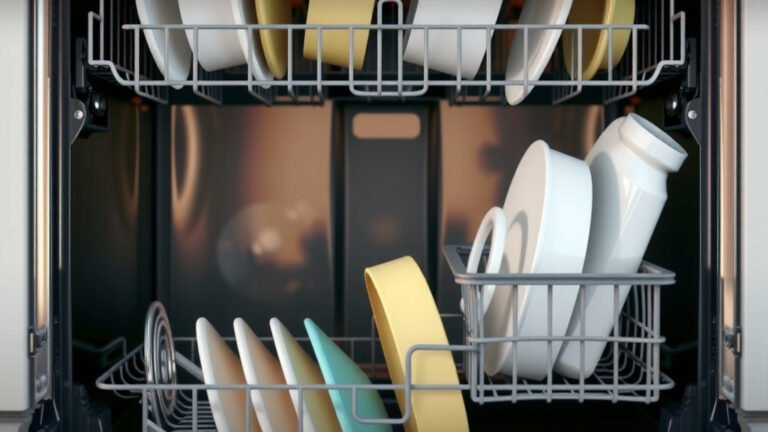
How you load your dishwasher matters more than you might think! Glasses should never be nested too tightly. They need space to allow water and detergent to reach all surfaces. We found that placing glasses upside down on the top rack is generally the safest bet. Make sure they aren’t touching each other or any other items. If glasses are too close, water can get trapped, leading to spots and haze. Research also suggests that overloading can impede water circulation, so give your dishes room to breathe!
Preventing Future Cloudiness
The best cure is always prevention, right? Once you’ve got your glasses sparkling again, you’ll want to keep them that way. We found that a few consistent habits can help you avoid the cloudy glass problem altogether.
Regular Dishwasher Maintenance
Your dishwasher needs some TLC too! We found that cleaning your dishwasher filter regularly is essential. A clogged filter can recirculate dirty water, leading to hazy dishes. Running a dishwasher cleaning cycle with vinegar or a specialized cleaner every few months also helps remove buildup. This keeps everything running smoothly and efficiently. Experts also suggest checking and cleaning the spray arms to ensure proper water distribution.
Consider a Water Softener
If you live in an area with very hard water, you might be fighting a losing battle without one. A whole-house water softener can significantly reduce the mineral content in your water. We found that this is often the most effective long-term solution for persistent hard water issues, including cloudy glassware. While it’s a bigger investment, it can save you a lot of frustration and cleaning time down the road.
By understanding the causes and implementing these simple fixes and preventative measures, you can enjoy crystal-clear glassware every time you open your dishwasher. It’s all about a little knowledge and a few smart adjustments!
“`Conclusion
Dealing with cloudy glasses can be a real headache, but you now have the tools to fix it. We found that most cloudiness comes from simple mineral deposits or detergent residue, not permanent damage. By adjusting your dishwasher’s water temperature, ensuring you use the right detergent and rinse aid, and loading your machine properly, you can restore shine to your glassware. If you’re in a hard water area, consider a water softener for the best long-term results. Your next step? Check your rinse aid dispenser and make sure it’s full!
Frequently Asked Questions
Can etching on glasses be fixed with home remedies?
Unfortunately, etching on glassware is permanent damage to the glass itself. Home remedies like vinegar or baking soda can help remove mineral deposits, but they cannot reverse the physical changes caused by etching. It’s best to focus on preventing etching by optimizing your dishwasher settings.
How often should I clean my dishwasher filter?
We found that cleaning your dishwasher filter regularly is essential for preventing cloudy dishes. Aim to clean it at least once a month, or more frequently if you notice your dishes aren’t coming out as clean. A clogged filter can recirculate dirty water, contributing to haze.
Why do my plastic containers get cloudy in the dishwasher?
Plastic is more porous than glass and can absorb odors or stains. Cloudiness on plastic is often due to residue buildup or scratches from the dishwasher’s harsh cycle. For plastics, it’s often better to wash them on the top rack or hand wash them to avoid this issue.
Is it better to use dishwasher pods or powder?
Pods and tablets offer convenience and pre-measured amounts, which can prevent overuse. Powder detergents allow you to adjust the amount, which is helpful if you have softer water. We found that both can be effective, but it’s important to follow the manufacturer’s instructions for your specific detergent and dishwasher.
Can I hand wash cloudy glasses to fix them?
Yes, hand washing can help remove mineral deposits or residue. Use a soft cloth or sponge with a mild detergent and warm water. For stubborn residue, try soaking them in a vinegar and water solution before washing. Remember to rinse thoroughly to avoid new spots.