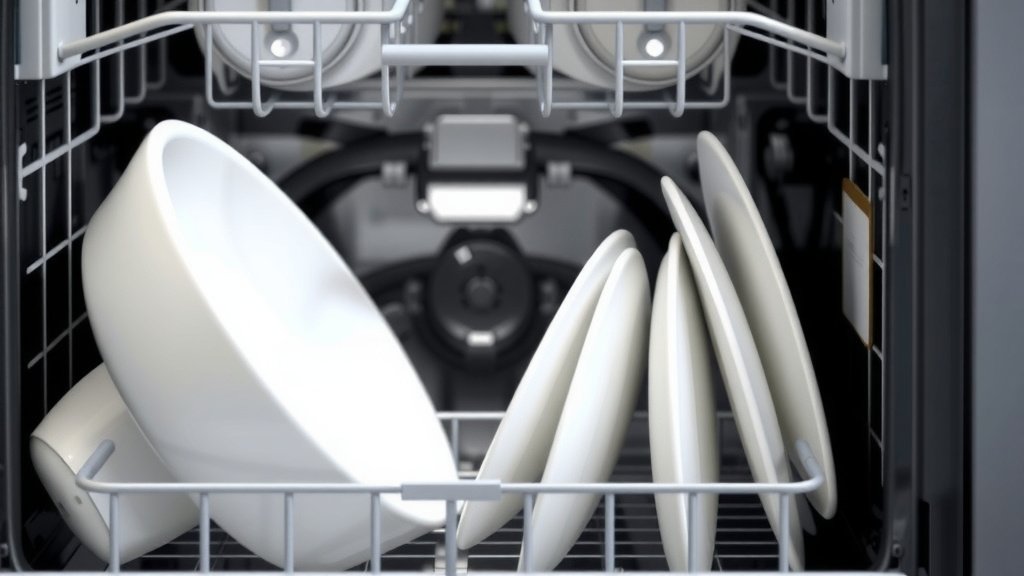
Boost Dishwasher Dry Power: Simple Fixes You Need
Your dishes emerge from the dishwasher looking spotty and wet? The easiest way to make your dishwasher dry better is to use a rinse aid and ensure your machine is properly loaded. Often, a lack of hot water or a clogged filter can also be the culprit for damp dishes.
We’ve all been there, pulling out plastics that still have puddles. It turns out there are several simple tweaks you can make. Beyond rinse aids, checking your dishwasher’s water temperature and keeping its filter clean can make a huge difference. These steps are surprisingly effective.
- Always use a rinse aid.
- Make sure your dishwasher’s water is hot enough.
- Keep the interior filter clean and clear.
- Load dishes correctly, allowing airflow.
- Consider running a dishwasher cleaner cycle.
Let’s walk through exactly how to get your dishwasher to dry your dishes like a champ, every single time.
Getting Your Dishwasher to Dry Dishes Effectively
Are your dishes still feeling a bit damp after a wash cycle? You’re not alone! It’s frustrating when you expect sparkling clean and dry, but get wet spots instead. Fortunately, improving your dishwasher’s drying performance is often quite simple. Let’s look at the most common reasons why this happens and how you can fix it.
The Power of Rinse Aid: Your Drying Ally
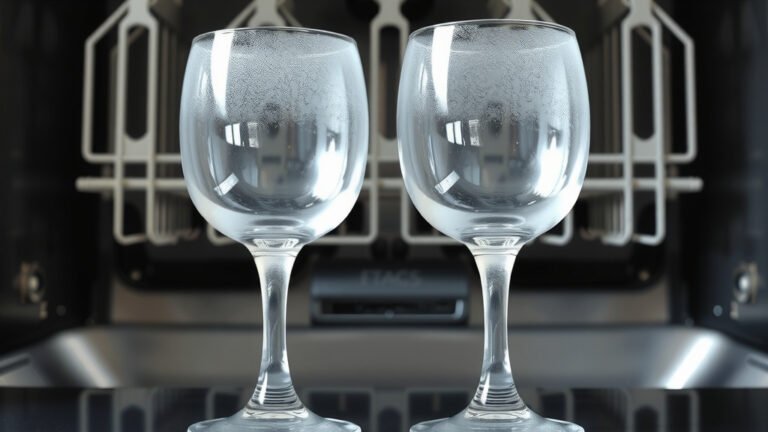
If you’re not using rinse aid, you’re missing out on a key component for drying. Rinse aid is designed to reduce the surface tension of water. This allows water to sheet off your dishes more easily instead of forming droplets. Think of it like a squeegee for your dishes.
How Rinse Aid Works Its Magic
When your dishwasher heats up water, it also heats the air inside. Rinse aid helps prevent those tiny water droplets from clinging to your dishes as the hot, humid air cools. Without it, water can bead up and leave spots or streaks. You simply fill the dispenser, usually located inside the door, and your dishwasher will release it automatically.
Choosing the Right Rinse Aid
There are many brands available. Most are effective. Some offer different scents, but the core function remains the same. Make sure to check your dishwasher manual for the recommended type. Many dishwasher manufacturers suggest using rinse aid for optimal drying results (Whirlpool).
Water Temperature Matters for Drying
Your dishwasher needs hot water to clean and dry effectively. If your home’s water heater is set too low, the water entering the dishwasher might not be hot enough. This is a common culprit for poor drying.
The Ideal Water Temperature Range
For best results, experts recommend your dishwasher’s incoming water should be between 120°F and 130°F (49°C and 54°C). This temperature is hot enough to activate the detergent and help the drying process. Lower temperatures mean less steam and less efficient drying.
Checking Your Water Heater Settings
Most water heaters have an adjustable dial. You can safely set it to around 120°F (49°C). Be cautious not to set it too high, as this can pose a burn risk. Always check your water heater’s manual for specific instructions.
Running the Tap
Before starting your dishwasher, run the hot water tap at your kitchen sink for a minute. This flushes out any cooler water sitting in the pipes. You want to ensure the hottest water possible enters the dishwasher at the start of its cycle.
The Importance of a Clean Dishwasher Filter
A clogged filter can seriously hinder your dishwasher’s performance, including its ability to dry. Food particles and debris can accumulate over time. This blockage prevents water from draining properly and can impede airflow. A clean filter means a happier, drier load of dishes.
Where to Find Your Dishwasher Filter
The filter is usually located at the bottom of the dishwasher tub, under the lower spray arm. Many are a cylindrical mesh or a flat screen. Consult your dishwasher’s manual if you’re unsure where to find it.
Cleaning Your Filter: A Simple Process
Most filters can be easily removed by twisting or lifting them out. Rinse the filter under warm running water. You can use a soft brush to gently scrub away any stubborn bits. For very dirty filters, a little dish soap can help. Make sure it’s completely clean before reinserting it.
We found that cleaning the filter monthly can prevent buildup. This simple task significantly impacts wash and dry quality. Many appliance repair sites suggest this as a first step for performance issues.
Proper Loading Techniques for Better Drying
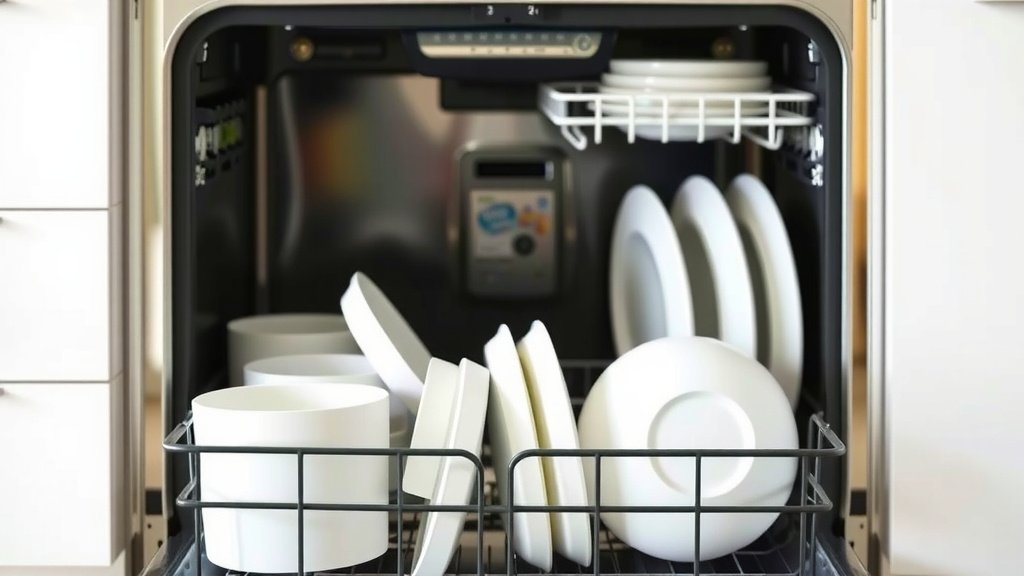
How you load your dishwasher plays a surprisingly large role in how well the dishes dry. Overcrowding is a major enemy of airflow and steam circulation. You need space for the hot air to do its job.
Allowing Space for Airflow
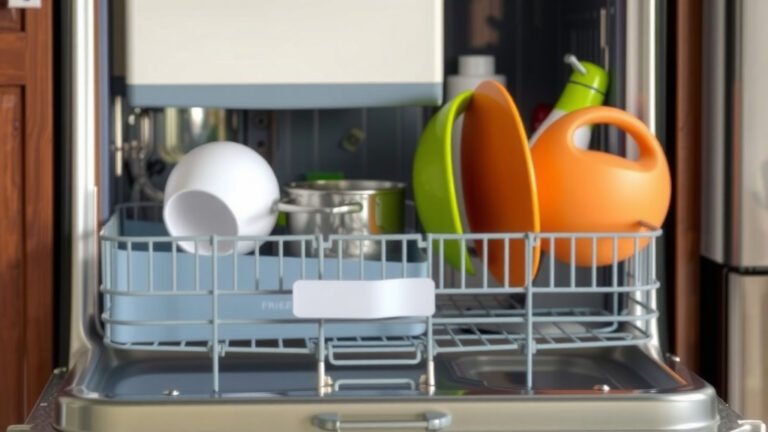
Don’t nest items tightly together. Give dishes, glasses, and utensils some breathing room. This allows hot air to circulate freely. Proper spacing ensures all surfaces get exposed to the drying heat.
Loading Specific Items
Plastics often struggle to dry because they don’t retain heat as well as glass or ceramic. Place plastics on the top rack whenever possible. Avoid letting items touch each other. Ensure nothing is blocking the spray arms from rotating. You want a clear path for water and air.
What to Avoid Loading
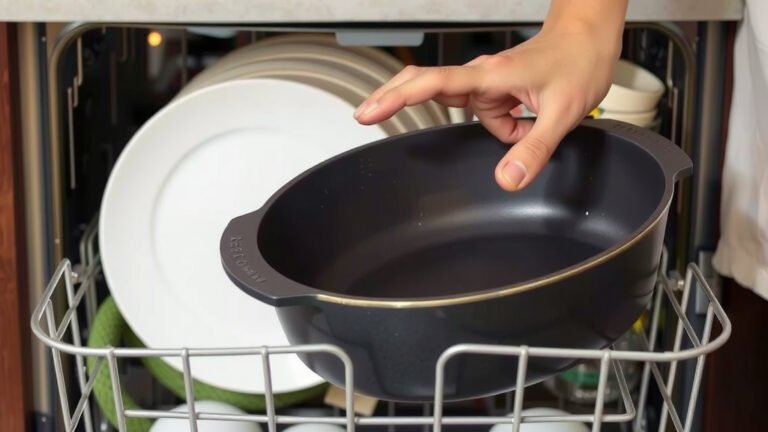
Items that can collect water, like heavily curved bowls or items with deep indentations, should be placed at an angle. This allows water to drain off. If a large pot is placed in front of the lower rack, it can block water and air from reaching dishes behind it.
Considering Dishwasher Drying Features
Some dishwashers have specific drying features that can be activated. If your machine has an option for “heated dry” or “extra dry,” using it can make a noticeable difference.
Heated Dry Cycles
Many modern dishwashers use a heating element at the bottom of the tub during the drying phase. This element heats the air inside, accelerating the evaporation of water. If your dishwasher has this feature, be sure to select it when needed.
Other Drying Technologies
Some higher-end models use condensation drying, where the hot water from the final rinse heats the stainless steel tub, causing moisture to condense on the cooler walls and drain away. These systems are often very effective but rely on the machine’s design.
When to Consider a Dishwasher Cleaner
Over time, internal components can accumulate grease and mineral deposits. This buildup can affect water flow and heating efficiency. A dishwasher cleaner can help remove these residues.
How Cleaners Work
These cleaners are typically liquid or tablet forms. You place them in the dishwasher and run a hot cycle without any dishes. They work to break down grime and mineral scale inside the machine. Many appliance experts recommend this once or twice a year.
We found that running a cleaner cycle can help refresh your dishwasher. It can remove odors and improve overall performance. This is especially helpful if you notice a decline in cleaning or drying over time.
Troubleshooting Common Drying Issues
Sometimes, even after trying these tips, you might still face damp dishes. Let’s look at a few more things to check.
Checking the Door Seal
A damaged or dirty door seal can allow hot air to escape during the drying cycle. Inspect the rubber seal around the door for any cracks or debris. Clean it with a damp cloth. If it’s damaged, it might need replacement.
The Role of Detergent Type
Some detergents are better than others for drying. Pods or tablets often contain rinse aid components. Check your detergent’s packaging to see if it includes rinse aid. If not, you’ll definitely want to add a separate rinse aid.
Quick Checklist for Better Drying
Here’s a quick rundown to ensure your dishwasher dries dishes like a pro:
- Always use rinse aid, refilling the dispenser as needed.
- Ensure your home’s hot water heater is set to at least 120°F.
- Run the hot water tap before starting the dishwasher.
- Regularly check and clean the dishwasher’s interior filter.
- Load dishes with adequate space between them for air circulation.
- Select heated dry options if your dishwasher has them.
Conclusion
You’ve learned that getting your dishwasher to dry dishes properly is often about a few simple habits. Using rinse aid, ensuring your water is hot enough, and keeping that filter clean are your top allies. Don’t forget that how you load your machine also matters for good airflow. By checking these basics, you can banish those damp dishes for good. Next time you unload, take a moment to confirm your rinse aid is full. It’s the easiest step for a big improvement!
Frequently Asked Questions
Will a rinse aid really make that much difference?
Yes, rinse aid is a game-changer for drying. It reduces water’s surface tension, helping it sheet off dishes instead of forming droplets. You’ll notice fewer spots and much drier plastics.
How often should I clean my dishwasher filter?
We found that cleaning your filter about once a month is ideal. This prevents food debris from blocking water flow and affecting drying performance. If you notice dishes aren’t getting clean, check the filter first.
My plastics always come out wet. What can I do?
Plastics don’t hold heat like glass or ceramic. Always try to place them on the top rack. Ensure they aren’t touching other items and have plenty of space for air to circulate around them.
Can I just use the ‘heated dry’ option all the time?
Using the heated dry option can improve drying. However, it uses extra energy. For most loads, the combination of rinse aid and proper loading might be enough. Reserve heated dry for times when you really need everything bone dry.
What if my dishwasher still doesn’t dry well after trying these tips?
If you’ve tried all the tips and are still having trouble, there might be a mechanical issue. Check your dishwasher’s manual for specific troubleshooting. You may need to contact a service technician to inspect the heating element or fan.