
How Often to Run Your Dishwasher for Best Results
You’re probably wondering, “How often should my dishwasher actually run?” For most households, running your dishwasher every day or every other day is the sweet spot. This frequency helps keep it clean, prevents odors, and ensures you have clean dishes ready when you need them, without wasting water or energy.
The perfect dishwasher schedule really depends on your household’s needs. If you have a large family or entertain often, daily runs might be necessary. For smaller households, a load every couple of days could be perfectly fine. We found that consistency is key for optimal performance and hygiene, preventing buildup and keeping your appliance humming along.
- Run your dishwasher daily or every other day for most households.
- Adjust frequency based on household size and usage.
- Daily runs help prevent odors and buildup.
- Less frequent use might require more pre-rinsing.
- Check your dishwasher’s manual for specific recommendations.
Let’s walk through exactly how often you should be hitting that start button and what factors make the biggest difference for your dishes and your machine.
“`htmlWhat’s the Ideal Dishwasher Running Schedule?
Deciding how often to run your dishwasher feels like a small domestic mystery, doesn’t it? You don’t want to waste water or energy, but you also need clean plates for dinner. For most households, aiming to run your dishwasher once every day or every other day hits that perfect balance. This frequency helps prevent stale food particles from drying on and stops unpleasant odors from developing inside the machine.
Many dishwasher manufacturers and home economics experts suggest this general guideline. It ensures your dishwasher is used enough to keep its components clean and its sensors working properly. Plus, it guarantees you won’t be caught without a clean fork when you least expect it!
Factors Influencing Your Dishwasher Frequency
Household Size Matters a Lot
This is probably the biggest factor. If you have a large family with three meals a day, you’re likely filling your dishwasher quickly. A family of four or more might easily generate a full load every single day. You might even find yourself needing to run it twice on busy days.
On the other hand, if it’s just you or a couple, a full load might take two or even three days to accumulate. For these smaller households, running the dishwasher every other day is often perfectly fine. You can still maintain cleanliness without running the machine half-empty.
Your Eating Habits and Cooking Style
Do you eat out often, or do you love to cook elaborate meals at home? Your cooking habits directly impact how many dishes you use. If you’re a passionate home chef who creates a culinary masterpiece every night, expect more dishes to wash.
People who eat a lot of microwave meals or order takeout might not use their dishwasher very much. In such cases, you might need to be more mindful of how long dishes sit before they get washed. Food can dry and harden on, making them harder to clean.
Dishwasher Capacity and Loading Style
Dishwashers come in various sizes, from compact models to large, family-sized units. A larger capacity dishwasher can hold more dishes, meaning you might need to run it less often than a smaller one, even with the same number of people in the house. We found that many users underestimate how much their dishwasher can actually hold.
How you load your dishwasher also plays a role. Overloading it can prevent water and detergent from reaching all the surfaces, leading to less clean dishes. Underloading it means you’re potentially wasting water and energy. Finding that sweet spot of a full, but not overstuffed, load is key.
The Case for Running Your Dishwasher Daily (or Nearly Daily)
Preventing Odors and Buildup
If you let dishes sit for too long, especially with food scraps, nasty odors can start to develop. This is due to bacteria and mold growth in the damp, dark interior of the dishwasher. Running it regularly helps wash away these odor-causing culprits before they become a problem.
Many cleaning experts agree that regular use flushes out food debris and grime that can accumulate in the filter and spray arms. This prevents clogs and keeps your dishwasher running efficiently. It’s like giving your machine a mini-spa treatment!
Ensuring Dishes are Ready When You Need Them
For busy households, having a steady supply of clean dishes is essential. Running the dishwasher daily ensures you always have plates, bowls, and cutlery ready for your next meal. This avoids the frantic search for a clean mug for your morning coffee or a plate for lunch.
We found that consistency in running the dishwasher also leads to a more predictable schedule. You know when the dishwasher will be empty and ready for its next load, which helps with household chore management.
Optimizing Performance and Hygiene
Dishwashers are designed to be used. Regular use helps keep the internal components lubricated and the seals flexible. When a dishwasher sits idle for long periods, seals can dry out, and internal parts can become stiff.
Furthermore, the heat and detergent used in a cycle help sanitize dishes. Running it regularly ensures a higher level of hygiene for your kitchenware compared to letting dirty dishes pile up. This is particularly important for items that come into contact with food.
When Less Frequent Use Might Be Okay
The “Pre-Rinse” Debate
If you only run your dishwasher every few days, you might be tempted to rinse your dishes thoroughly before loading them. While this can help prevent dried-on food, it’s often unnecessary and can actually be less efficient. Most modern dishwashers are designed to handle food particles.
However, if you do opt for less frequent runs, scraping off large food chunks is a good idea. This prevents them from clogging the filter. Some experts suggest a quick rinse only for heavily soiled items like baked-on casserole dishes (National Sanitation Foundation).
Water and Energy Considerations
Running a half-empty dishwasher is generally not recommended from an efficiency standpoint. You’re using the same amount of water and energy for fewer dishes. If your household size dictates less frequent use, consider using an “eco” or “half-load” setting if your dishwasher has one.
We found that many people run their dishwasher based on the “full load” mentality. But if you can get away with running it every 2-3 days and still have clean dishes, you’re likely saving water and energy over running it partially full every day.
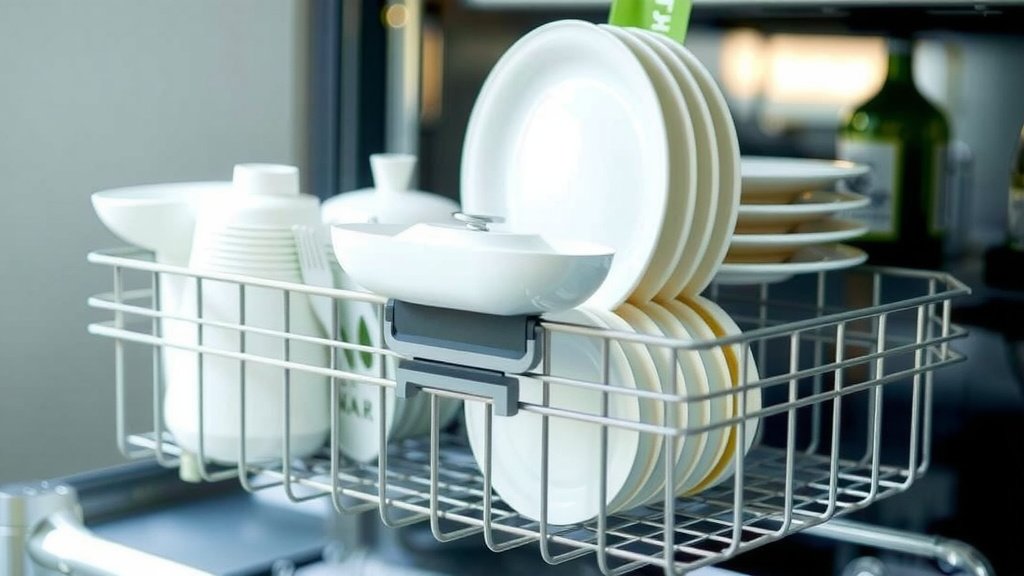
Quick Checklist for Your Dishwasher Habits
Here’s a simple way to think about your dishwasher routine:
- Assess your household size: More people = more frequent runs.
- Note your cooking habits: Home-cooked meals mean more dishes.
- Listen to your nose: If it smells, it’s time to run it.
- Observe your dishes: Are they coming out clean?
- Check your filter regularly: Keep it clear of debris.
- Consult your manual: It often has specific tips for your model.
What Your Dishwasher Manual Says is Important
While general guidelines are helpful, your specific dishwasher model might have unique recommendations. Many manufacturers include advice on optimal load sizes and frequency in their user manuals. This information is tailored to the technology and design of your appliance.
We found that many people never even open their dishwasher manual after installation. Taking a few minutes to review it could save you water, energy, and ensure your appliance lasts longer. It’s a small step with big benefits for your machine.
“`Conclusion
Ultimately, finding your dishwasher’s perfect rhythm is about balancing efficiency with your household’s needs. For most, running it daily or every other day is the sweet spot for preventing odors and ensuring clean dishes are always on hand. Pay attention to your family size and how often you cook. Don’t forget to check your dishwasher’s manual for any model-specific advice. Your next step? Observe your own kitchen’s dish situation and adjust your schedule accordingly!
Frequently Asked Questions
How often should I run my dishwasher if I live alone?
If you live alone, you might only fill your dishwasher every two to three days. Running it every other day is usually sufficient to keep it clean and odor-free. You’ll save water and energy by not running it half-full too often.
What happens if I run my dishwasher too infrequently?
Running your dishwasher too infrequently can lead to stale food particles drying onto dishes, making them harder to clean. It can also cause unpleasant odors and potential mold or mildew growth inside the machine.
Is it okay to leave dirty dishes in the dishwasher overnight?
Yes, leaving dirty dishes in the dishwasher overnight is generally fine. Most modern dishwashers are designed to handle this without issue. Just be sure to run the cycle the next day to prevent odors from developing.
Should I scrape or rinse dishes before putting them in the dishwasher?
You should scrape off large food chunks to prevent clogging the filter. However, most modern dishwashers don’t require a full pre-rinse. Excessive rinsing can actually waste water and detergent.
Can running the dishwasher too often be wasteful?
Yes, running your dishwasher when it’s not full can be wasteful of water and energy. Aim to fill it completely for each cycle. If your household size means it takes several days to fill, running it every other day is a good compromise.