What is a Portable Dishwasher? Your Ultimate Guide
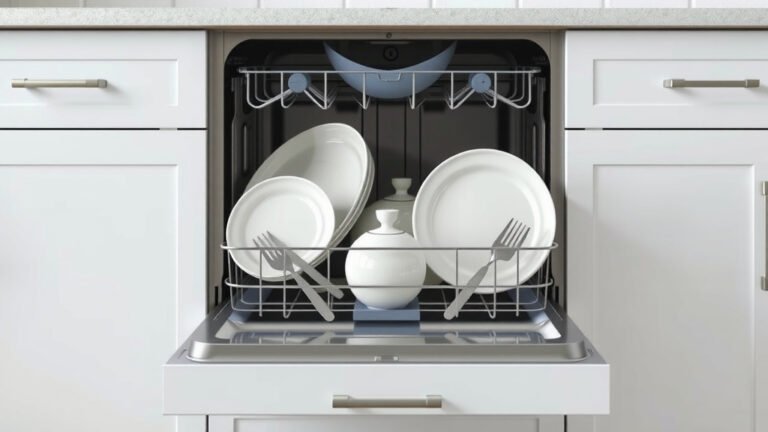
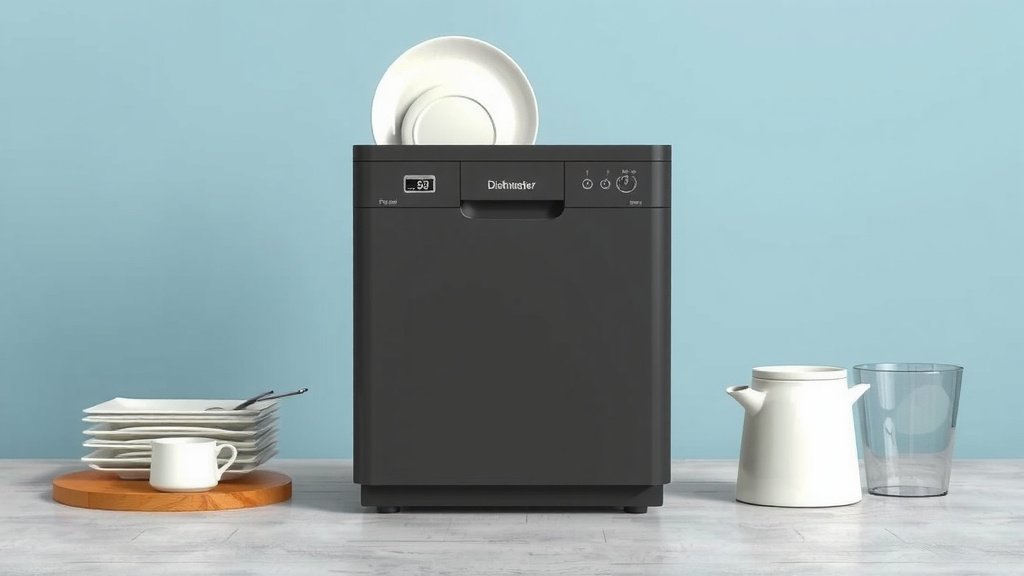
A portable dishwasher is a compact appliance that offers the convenience of a full-size dishwasher without permanent installation. It connects to your kitchen faucet for water and drains into your sink, making it ideal for renters or small kitchens. You can easily move it around your home, saving you from countless trips to the sink.
Unlike their built-in counterparts, portable dishwashers provide flexible cleaning solutions. They are perfect for anyone needing extra dishwashing capacity or lacking dedicated space for a standard unit. Many models are designed for quick setup and surprisingly efficient cleaning cycles, handling everyday loads with ease.
- Portable dishwashers offer quick, flexible dish cleaning.
- They connect to your faucet and drain into the sink.
- Ideal for renters, small kitchens, or extra capacity.
- Easy to move and don’t require permanent installation.
- They provide convenience without the need for major plumbing work.
Below, we’ll break down exactly what a portable dishwasher is and how it can make your life a little easier.
Understanding the Portable Dishwasher Concept
So, what exactly is a portable dishwasher? Think of it as your dishwashing superhero that doesn’t require a permanent cape (or plumbing!). It’s a freestanding unit designed to clean your dishes just like a regular dishwasher. The key difference is its mobility and connection method. You can wheel it into place when you need it and tuck it away when you don’t. This makes it a fantastic option for many situations where a built-in appliance just isn’t feasible.
How It Works: The Magic of Faucet Connection
You might be wondering how these units get water and get rid of the dirty water. It’s actually quite clever and surprisingly simple. Most portable dishwashers connect directly to your kitchen faucet using a special adapter. This adapter usually comes with the dishwasher. You simply unscrew your faucet aerator, screw on the adapter, and attach the dishwasher hose. When you turn on your faucet, it supplies water to the dishwasher. For the draining, the dishwasher hose simply sits in your sink, allowing the dirty water to flow directly down your drain.
This faucet-to-sink setup means you don’t need to hire a plumber or make any permanent changes to your kitchen. We found this is a huge plus for renters or anyone who likes to rearrange their kitchen layout occasionally. It truly offers flexibility without the fuss of traditional installation.
Water Usage and Efficiency
A common question is about how much water these use. Modern portable dishwashers are designed to be quite efficient. Many models use around 3-4 gallons of water per cycle, which is often less than washing the same load by hand. Research indicates that handwashing can use significantly more water, especially if you let the tap run. For example, some studies suggest handwashing a full load could use up to 27 gallons of water (U.S. Department of Energy).
This efficiency is great for your water bill and for the environment. You get clean dishes with a surprisingly conservative use of resources. Plus, many models are Energy Star certified, meaning they meet strict energy efficiency guidelines set by the EPA. This certification means you can expect lower energy bills over time, as they use less electricity.
Who Benefits Most from a Portable Dishwasher?
These adaptable machines aren’t just a novelty; they solve real problems for specific groups of people. If any of these sound like you, a portable dishwasher might be your next favorite kitchen gadget.
Renters and Apartment Dwellers
This is perhaps the most obvious user group. If your lease agreement prohibits permanent modifications, or if your kitchen simply wasn’t designed with a built-in dishwasher, a portable unit is a lifesaver. You can easily set it up, use it, and then disconnect and store it when you move out. There’s no need to worry about voiding your security deposit or leaving behind a major appliance you can’t take with you. It’s like having a dishwasher on a short-term lease.
Those with Small Kitchens
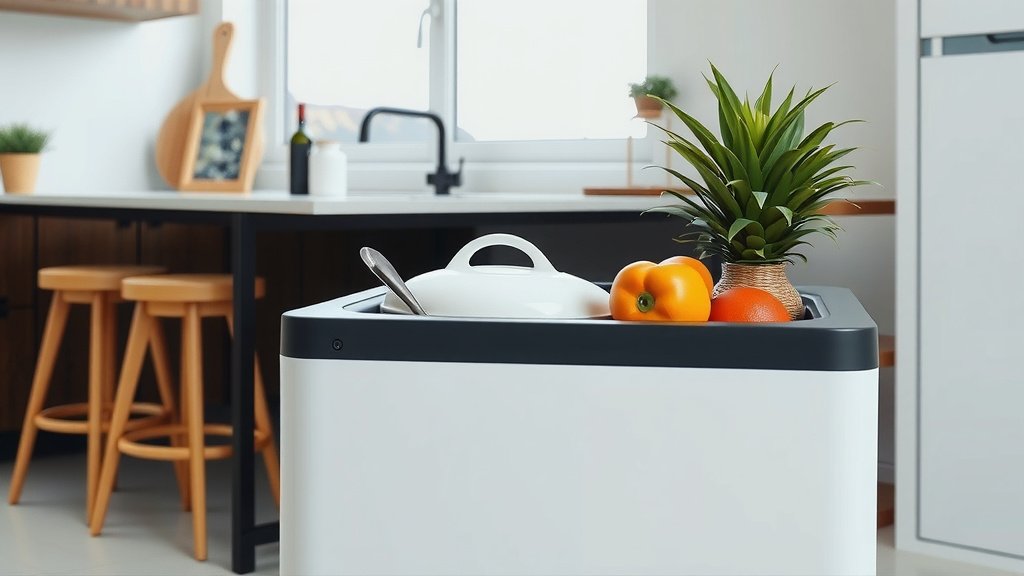
Limited counter space is a common problem. A portable dishwasher is often designed to be relatively compact. Some units even have a countertop model alternative, which is even smaller and sits right on your counter. Others are slender enough to fit beside your sink. When not in use, you can often roll it into a pantry or a corner, freeing up valuable prep space for cooking.
Individuals Needing Extra Dishwashing Power
Do you love to entertain or have a large family? Sometimes, your main dishwasher just can’t keep up. A portable unit can serve as a secondary cleaning station. You can run a load in your main dishwasher while filling up your portable one for the overflow. This means fewer dishes piling up in the sink and less stress during or after big gatherings. It’s like having an extra pair of hands (or rather, an extra cleaning cycle) when you really need it.
People Seeking Easy Installation
Let’s be honest, the idea of installing a built-in dishwasher can be daunting. It often involves rerouting plumbing and electrical work. A portable dishwasher bypasses all of that. The setup is typically very straightforward. You connect it to the faucet, plug it into a standard electrical outlet, and you’re ready to go. We found that most models can be set up in under 30 minutes by someone with basic DIY skills. This accessibility makes clean dishes a reality for more people.
What to Expect in Terms of Performance and Capacity
While portable dishwashers offer convenience, it’s good to know what you’re getting into regarding how much they can hold and how well they clean.
Capacity: Smaller Loads, Still Effective
You won’t be fitting your Thanksgiving roasting pan in a portable dishwasher, but they are designed for everyday use. Most portable units can hold about 4-6 place settings. A place setting typically includes a dinner plate, salad plate, bowl, cup, saucer, and cutlery for one person. This is perfectly adequate for 1-3 people or for handling smaller, daily loads of dishes. Some larger portable models might accommodate up to 8 place settings, so always check the specifications.
Cleaning Cycles and Features
Don’t let their size fool you; portable dishwashers come with a variety of cleaning cycles. You’ll often find options like:
- Normal Cycle: For everyday dishes.
- Heavy Duty: For baked-on food or tougher grime.
- Light/Quick Wash: For lightly soiled items or when you’re in a hurry.
- Rinse Only: To rinse dishes before a full wash later.
Portability: Is it Really That Easy to Move?
Yes, most portable dishwashers are built with mobility in mind. They typically sit on casters or wheels, making them easy to roll from your kitchen to a nearby storage space. However, keep in mind that they do contain water and plumbing connections, so they can be a bit heavy. You’ll likely need to disconnect the hoses and drain any residual water before moving it a significant distance. The ease of movement makes them great for switching between kitchen and laundry room if needed, but they aren’t something you’d move daily across a large house.
A Quick Comparison: Portable vs. Built-In Dishwashers
To truly grasp the portable dishwasher’s place, let’s look at how it stacks up against its built-in cousin.
| Feature | Portable Dishwasher | Built-In Dishwasher |
|---|---|---|
| Installation | No permanent plumbing needed; connects to faucet. | Requires permanent plumbing and electrical hookups. |
| Mobility | Freestanding, can be moved. | Fixed in place. |
| Capacity | Typically 4-6 place settings (some up to 8). | Typically 10-14 place settings. |
| Space Requirement | Can fit in smaller spaces, rolls away. | Requires dedicated cabinet space. |
| Ideal User | Renters, small kitchens, extra capacity needs. | Homeowners, larger kitchens, high-volume dishwashing. |
| Cost | Generally lower initial cost. | Can have higher initial cost, plus installation fees. |
Making the Most of Your Portable Dishwasher Experience
To ensure your portable dishwasher serves you well, consider these points:
- Measure your space before buying.
- Check the hose length for faucet reach.
- Understand your typical dish load size.
- Read reviews for cleaning performance.
- Consider energy efficiency ratings.
- Plan where you will store it.
Conclusion
You’ve learned that a portable dishwasher is a fantastic solution for many kitchen dilemmas. It offers the cleaning power of a dishwasher without the need for permanent installation, making it perfect for renters or small spaces. We’ve seen how its simple faucet connection and sink drainage provide flexibility and convenience. Plus, you can get clean dishes efficiently, often using less water than handwashing. Now that you understand its benefits, consider if a portable dishwasher fits your needs. Your next step? Measure your space and start browsing models to find the perfect fit for your home.
Frequently Asked Questions
Can I use a portable dishwasher if I have a spray faucet?
Using a portable dishwasher with a spray faucet can be tricky. Most portable dishwashers come with a universal adapter for standard faucet aerators. If your faucet has a pull-out sprayer, you may need to purchase a specific adapter designed for spray faucets, or you might find it challenging to get a secure, leak-free connection.
How much space does a portable dishwasher take up when stored?
When stored, a portable dishwasher typically requires a space about the size of a small cabinet or a large bin. They are designed to roll away, so you can tuck them into a pantry, a corner of the kitchen, or even a closet. Just ensure the space is accessible when you need to wheel it out for use.
Do portable dishwashers clean as well as built-in ones?
For everyday loads, portable dishwashers clean quite effectively, similar to their built-in counterparts. They utilize similar spray arm technology and detergent. While they may have slightly smaller capacities, their cleaning performance for regular dishes is generally excellent, especially when you choose a model with appropriate cycles for your needs.
Can I connect a portable dishwasher to a bathroom sink?
Connecting a portable dishwasher to a bathroom sink is generally not recommended. Bathroom sink faucets often have different threading and lower water pressure than kitchen faucets. The plumbing is also typically not designed for the hot water needs or the volume of water a dishwasher uses, which could lead to performance issues or damage.
Is a portable dishwasher noisy?
Portable dishwashers can vary in noise levels, much like built-in models. Many newer portable dishwashers are designed with sound-dampening materials to operate relatively quietly. You can often find models with decibel ratings listed, similar to refrigerators or washing machines. For quieter operation, look for models specifically advertised as quiet or with lower decibel ratings.