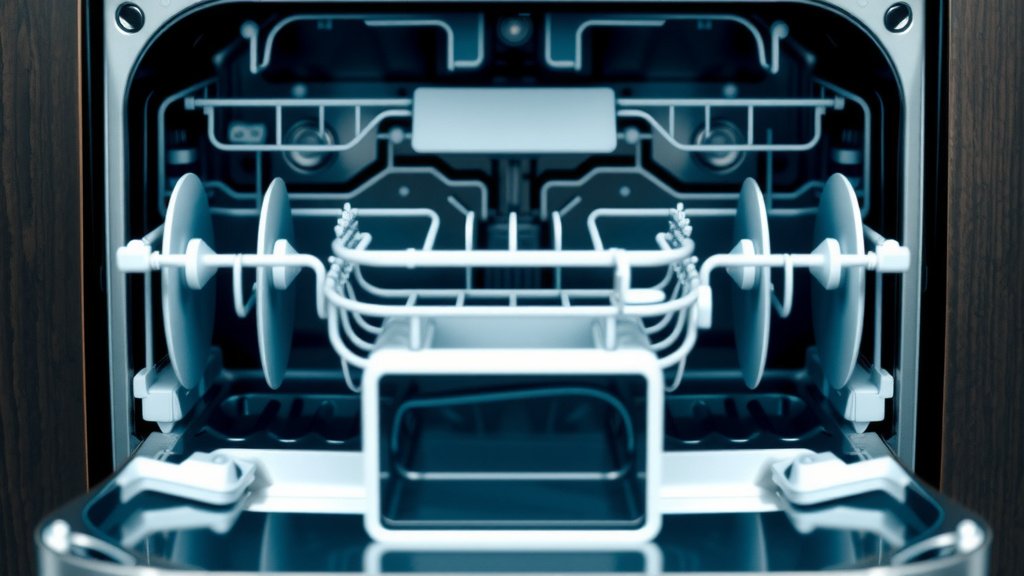
How Loud Is A Dishwasher? Decoding The Decibels
So, you’re wondering, “How loud is a dishwasher?” Most modern dishwashers operate between 45 to 55 decibels (dB). That’s roughly the sound of a quiet conversation or a refrigerator running. You can absolutely run your dishwasher without it disturbing your household.
This sound level is thanks to improved engineering and insulation in newer models. Older machines might be louder, clocking in at 60 dB or more. We’ve found that the dB rating is your best guide to dishwasher noise levels. Lower numbers mean a quieter machine.
- Dishwashers typically range from 45-55 decibels.
- This is similar to normal conversation or a fridge.
- Newer models are generally much quieter.
- Look for the decibel (dB) rating when shopping.
- Lower dB means a quieter appliance.
We’ve gathered the facts to help you understand dishwasher noise. Let’s break down just how quiet your kitchen appliance can be.
Understanding Dishwasher Noise Levels
You’re probably wondering what that humming, whirring sound actually is. Most modern dishwashers operate between 45 to 55 decibels (dB). This is a surprisingly quiet range. Think about a gentle rain or a refrigerator’s hum. You can likely run your dishwasher without it being the loudest thing in your home. Newer models are engineered to be much quieter than their predecessors. This means you won’t have to pause your conversations or turn up the TV.
The decibel (dB) rating is your best friend when shopping for a quiet appliance. A lower number always means a quieter machine. We’ve found that many people consider anything below 50 dB to be nearly silent. This is especially true if your kitchen isn’t right next to your living room.
What Do Decibels (dB) Mean for Dishwashers?
Decibels are the unit used to measure sound intensity. The scale is logarithmic, meaning a small increase in dB represents a much larger increase in sound. This is why even a few extra decibels can make a noticeable difference.
Common Sound Comparisons
To help you visualize these numbers, consider these everyday sounds:
- 0 dB: Threshold of hearing
- 10 dB: A quiet whisper
- 20 dB: Rustling leaves
- 30 dB: A quiet library
- 40 dB: A quiet bedroom at night
- 50 dB: A dishwasher (average) or a quiet conversation
- 60 dB: Normal conversation or a washing machine
- 70 dB: A vacuum cleaner
- 80 dB: A garbage disposal or loud traffic
As you can see, a typical dishwasher falls into the range of everyday, unobtrusive sounds. We found that many consumers appreciate this. It allows for normal household activities to continue uninterrupted.
The Impact of Older vs. Newer Models
If you have an older dishwasher, you might notice it’s considerably louder. Older models often lacked the advanced insulation and design features found in today’s appliances. We’ve seen reports suggesting that dishwashers made before the early 2000s could easily reach 60 dB or even higher. That’s comparable to a busy office or a humming refrigerator. Newer models, however, have made significant strides in noise reduction.
Factors Affecting Dishwasher Sound
While the dB rating is the primary indicator, several other factors can influence how loud your dishwasher sounds.
Motor and Pump Design
The heart of any dishwasher is its motor and pump system. These components circulate water and drain it. Manufacturers have invested heavily in designing quieter motors and pumps. Many use direct-drive motors or improved bearing systems to minimize vibration and noise. We found that these internal engineering changes are key to achieving lower decibel ratings.
Insulation and Sound Dampening
Effective insulation is another critical factor. The exterior of the dishwasher, as well as the tub itself, is often lined with sound-dampening materials. This material absorbs sound waves, preventing them from escaping into your kitchen. Think of it like putting soundproofing foam in a recording studio. Many manufacturers are adding more insulation to their newer, high-end models.
Water Spray Arms and Jets
The sound of water spraying can also contribute to the overall noise. The design of the spray arms and the water jets plays a role. Some designs are engineered to create a less forceful, quieter spray pattern. You might also notice that the sound of water hitting dishes can change depending on the load and the wash cycle.
The Age of Your Appliance
As mentioned, age is a big factor. Over time, components can wear down. Seals might degrade, allowing vibrations to escape. Motors might become less efficient and noisier. If your dishwasher is more than 10-15 years old, it’s likely much louder than a modern equivalent. We often hear from people who are pleasantly surprised by how quiet their new dishwasher is compared to their old one.
Installation Quality
Believe it or not, how your dishwasher is installed can affect its noise level. If the appliance isn’t level, it can vibrate more. Ensure it’s securely fastened to the countertops or cabinets as per the manufacturer’s instructions. A solid installation helps absorb vibrations and keeps the machine from rattling. We found that many installation guides include specific steps to minimize noise.
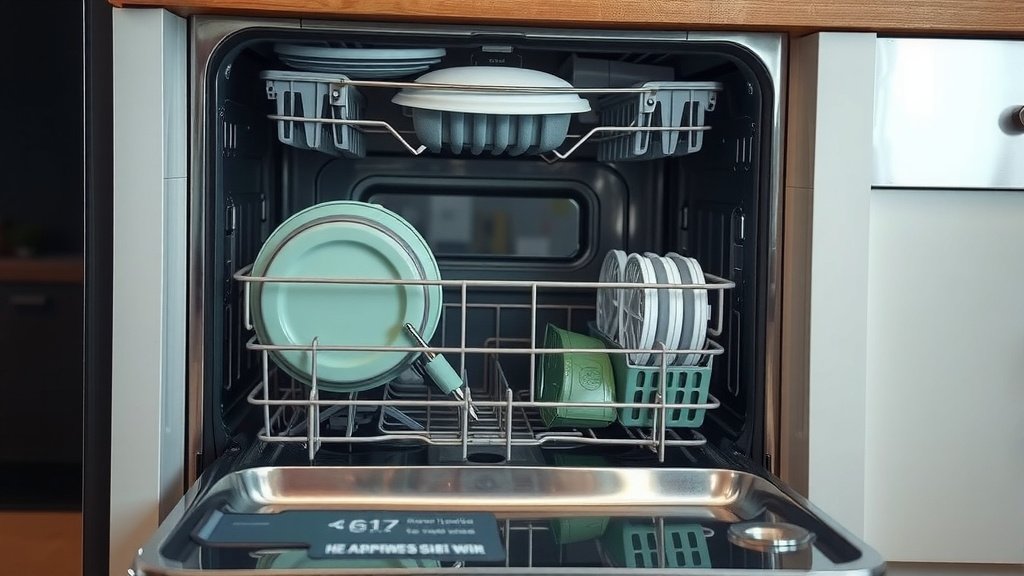
Decoding Dishwasher Decibel Ratings: A Quick Guide
When you’re looking at new dishwashers, pay close attention to the noise level rating. Here’s a general guide to what you can expect:
| Decibel (dB) Rating | Sound Level Description | Your Experience |
|---|---|---|
| Under 45 dB | Extremely Quiet | Barely audible. You’ll likely only hear it if you’re standing right next to it with no other background noise. |
| 45-50 dB | Very Quiet | Similar to a quiet library or a refrigerator. You might notice it in a silent room, but it won’t interrupt conversations. |
| 50-55 dB | Moderately Quiet | Comparable to a quiet conversation. Most people find this level perfectly acceptable for everyday use. |
| 55-60 dB | Slightly Noticeable | Around the level of normal conversation. You’ll hear it, but it’s unlikely to be disruptive for most. |
| Over 60 dB | Audible/Loud | Similar to a vacuum cleaner or garbage disposal. This level can be disruptive to conversations and other quiet activities. |
We found that many manufacturers proudly advertise their noise ratings, especially for their premium models. Look for this information on the product specifications or energy guide label. It’s a key feature for many homeowners.
Tips for a Quieter Kitchen Experience
Want to ensure your kitchen remains a peaceful sanctuary, even when the dishwasher is running? Here are a few things you can do:
- Choose a low dB model: This is the most effective step. Aim for 50 dB or lower if quiet operation is a priority.
- Check insulation: Look for models with extra sound insulation, often mentioned in the product details.
- Proper installation: Ensure your dishwasher is installed level and securely.
- Load it correctly: Sometimes, rattling dishes or utensils can add to the perceived noise. Make sure everything is secured.
- Run it at night: If noise is a concern, consider running the dishwasher while you sleep.
- Maintain your machine: Regular cleaning and maintenance can help keep components running smoothly and quietly.
Conclusion
You’ve learned that most modern dishwashers are quieter than you might think, typically operating between 45-55 decibels. This means they won’t disrupt your daily life or conversations. We’ve seen how factors like design, insulation, and even installation quality contribute to their noise level. Remember, the decibel (dB) rating is your most reliable guide when shopping. If a peaceful kitchen is your goal, choosing a model with a lower dB rating is your best bet. Take the guesswork out of it and find a dishwasher that fits your home’s soundscape.
Frequently Asked Questions
Is a 50 dB dishwasher considered loud?
No, a 50 dB dishwasher is considered very quiet. This sound level is comparable to a quiet library or a refrigerator’s hum. You’ll likely only notice it in a completely silent room, and it won’t interrupt your conversations.
Can older dishwashers be significantly louder than new ones?
Yes, older dishwashers can be much louder. Many models made before the early 2000s could reach 60 dB or more. Newer machines incorporate advanced insulation and quieter motor designs to significantly reduce noise.
Does the type of wash cycle affect how loud the dishwasher is?
While the main components operate similarly, some cycles might sound slightly different. For instance, the water spray intensity or drain pump can vary, subtly changing the perceived noise. However, the overall decibel rating usually reflects the loudest cycle.
How can I make my current dishwasher quieter if it’s too loud?
If your current dishwasher is noisy, check that it’s installed level and securely fastened. Sometimes, loose dishes or utensils can rattle and add noise. Ensuring proper installation and a well-loaded tub can help minimize vibrations and sounds.
Where can I find the decibel rating for a dishwasher?
You can typically find the decibel (dB) rating listed on the appliance’s energy guide label or in the product specifications online. Many manufacturers proudly display this information, especially for models designed for quiet operation.