What Does Rinse Aid Do in Your Dishwasher
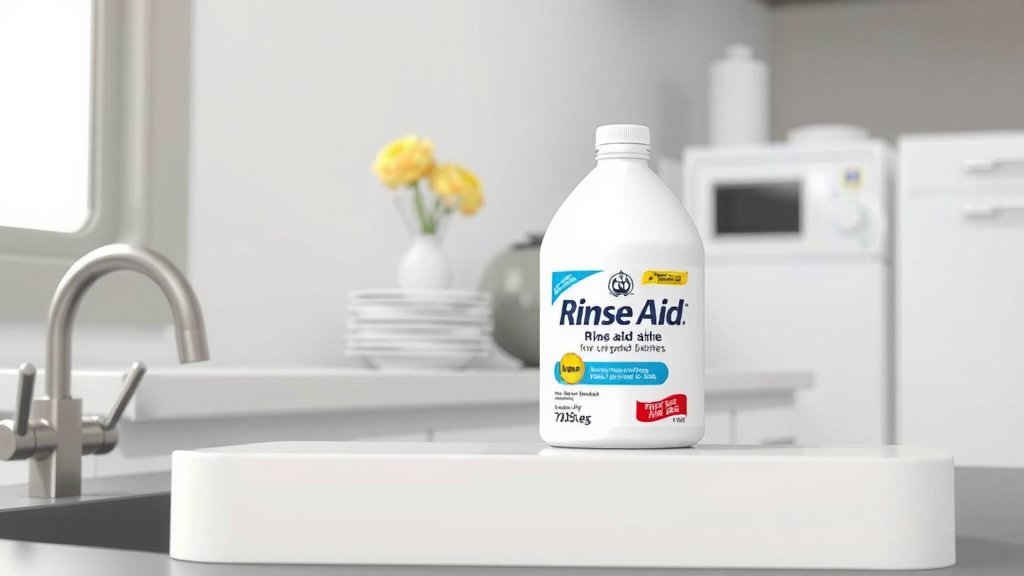
Rinse aid is a liquid that helps your dishes dry faster and prevents water spots. It works by reducing the surface tension of water. This allows water to sheet off your dishes instead of forming droplets. Think of it as a super-powered drying assistant for your dishwasher, ensuring a spotless shine every time.
You might have noticed cloudy residue or streaks on your glasses after a wash. That’s often the result of water not drying properly. Rinse aid tackles this by making water slide off surfaces more easily. It’s especially helpful if you have hard water, which can leave behind mineral deposits. Using rinse aid means fewer re-washes and more time enjoying your clean dishes.
- Rinse aid helps dishes dry faster.
- It prevents annoying water spots and streaks.
- It’s especially useful for hard water.
- It makes your glassware sparkle.
- It’s a simple way to improve dishwasher results.
So, what exactly does this little bottle of liquid do, and why should you bother using it? Let’s break down the science and the benefits of rinse aid so you can get the most out of your dishwasher.
“`htmlHow Rinse Aid Helps Your Dishes Sparkle
Rinse aid is a pretty amazing little helper for your dishwasher. Its main job is to make sure your dishes come out **clean and dry**. It tackles those frustrating water spots and cloudy films. We’ve all been there, pulling out glasses that look more foggy than fantastic. Rinse aid is designed to prevent that disappointment.
The Science Behind the Shine
So, how does it achieve this magic? Rinse aid works by lowering the surface tension of water. Imagine water droplets clinging to your dishes like tiny magnets. Rinse aid makes those droplets spread out and flow off in sheets. This prevents water from pooling and drying into those pesky spots.
When water sheets off, it doesn’t have as much time to evaporate and leave behind minerals. This is especially important if you have hard water. Hard water is loaded with minerals like calcium and magnesium. These minerals can leave a chalky residue. Rinse aid helps wash them away before they can settle.
Key Benefits You’ll Notice Immediately
Using rinse aid brings several noticeable improvements to your dishwashing routine. You’ll find that your dishes aren’t just cleaner; they’re practically ready to put away. Let’s look at what you can expect.
Faster Drying Times
One of the biggest benefits is significantly faster drying. Because water sheets off, there’s less water left on your dishes. This means they dry much quicker, often without needing any extra heat from the dishwasher’s drying cycle. This can save a bit on energy, too!
Eliminating Water Spots
Water spots are a common nuisance. They are the mineral deposits left behind when water evaporates. Rinse aid helps water run off, taking those minerals with it. This results in wonderfully spot-free glasses and plates.
Preventing Streaks and Film
Beyond spots, rinse aid prevents that overall cloudy film that can make glassware look dull. It ensures a clear, shiny finish. Many people find that their dishes look brand new after a wash with rinse aid.
Protecting Dishware
While not its primary function, by preventing mineral buildup, rinse aid can help protect your dishes from long-term damage. Over time, mineral deposits can etch surfaces. Keeping them washed away helps maintain the integrity of your dishware. Some experts suggest this can extend the life of your favorite plates and glasses (Cleveland Clinic).
Where to Put Rinse Aid in Your Dishwasher
Figuring out where to add rinse aid is usually pretty straightforward. Most modern dishwashers have a dedicated dispenser. You don’t need to guess; the machine is designed to use it automatically.
Locating the Rinse Aid Dispenser
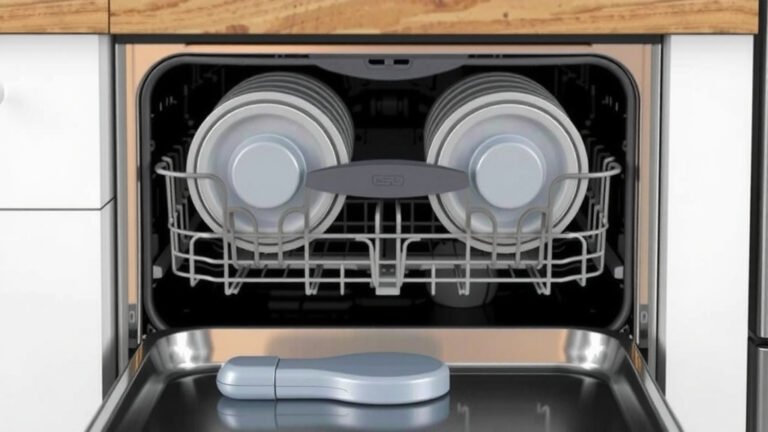
The rinse aid dispenser is typically found inside the dishwasher door. It often looks like a small, round compartment, usually with an arrow or a “rinse aid” label. It’s often right next to the detergent dispenser, but sometimes it’s a separate, smaller compartment.
If you’re having trouble finding it, a quick peek at your dishwasher’s user manual will show you its exact location. It’s usually very easy to spot once you know where to look.
Filling the Dispenser
When you open the dispenser, you’ll see a fill line. You just need to pour the rinse aid in until it reaches that line. Be careful not to overfill it. Most dispensers are designed to release the rinse aid automatically during the final rinse cycle.
You won’t need to add rinse aid every single time you run the dishwasher. The dispenser holds enough for several loads. Many dispensers have a small indicator that will tell you when it’s running low.
When Should You Use Rinse Aid?
While rinse aid is beneficial for almost everyone, there are certain situations where it’s almost a must-have. Think about your water and your dishes to decide if it’s right for you.
Dealing with Hard Water
If you live in an area with hard water, rinse aid is your best friend. Hard water means more minerals, and more minerals mean a higher chance of spots and streaks. Research consistently shows that rinse aids are particularly effective in combating the drying challenges posed by hard water (NCBI).
For Sparkling Glassware
Do you love hosting and want your glassware to shine? Rinse aid is key for that crystal-clear finish. It helps prevent those tell-tale water spots that can mar the appearance of wine glasses and tumblers. You’ll be amazed at how much clearer they look.
If Your Dishes Aren’t Drying Properly
Sometimes, even with regular detergent, your dishes come out damp. If you’re experiencing poor drying performance, rinse aid is one of the first things to try. It directly addresses the water’s inability to sheet off surfaces. You might find it solves your drying woes quickly and easily.
We found that many users report a dramatic improvement in drying after adding rinse aid. It’s a simple solution to a common problem. It can save you the hassle of towel-drying or re-running cycles.
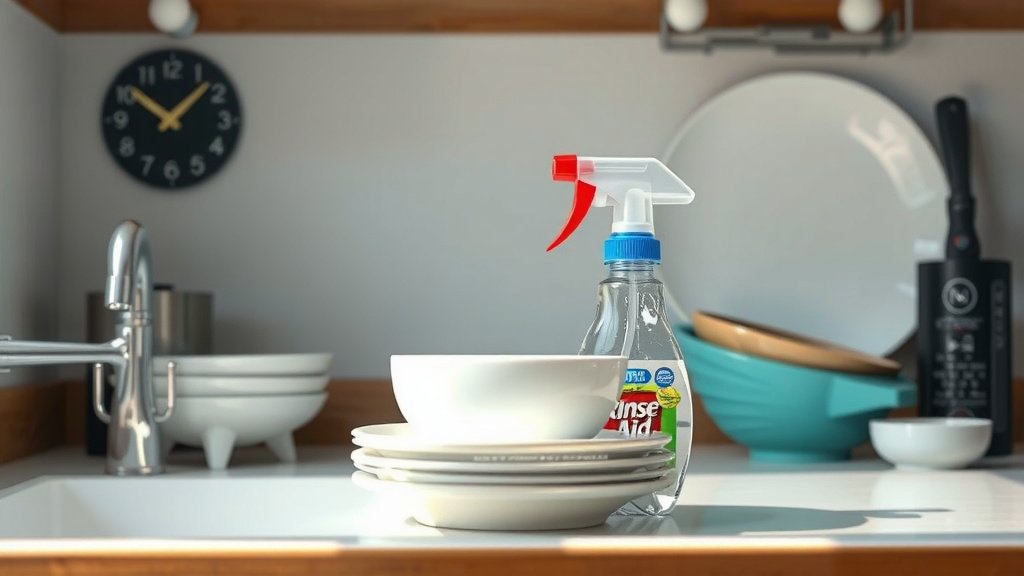
Quick Checklist: Is Rinse Aid Right for You?
Consider these points to see if incorporating rinse aid will benefit your dishwashing:
- Do your glasses often have white spots after washing?
- Are your dishes still wet when the cycle ends?
- Do you have noticeably hard water in your home?
- Do you want your glassware to have an extra sparkle?
- Are you looking for a simple way to improve dishwashing results?
- Does your dishwasher have a dedicated rinse aid dispenser?
If you answered yes to most of these, then adding rinse aid is likely a great idea for you. It’s an easy step that can make a big difference in your dishwashing outcome.
| Situation | Benefit of Rinse Aid |
|---|---|
| Hard Water | Prevents mineral deposits, spots, and streaks. |
| Poor Drying | Helps water sheet off for faster drying. |
| Spotty Glasses | Ensures a clear, streak-free finish. |
| Cloudy Film | Keeps glassware looking shiny and new. |
| Plastic Items | Helps plastic dry better, as it holds water longer. |
Think of rinse aid as the finishing touch for your dishwasher. It ensures that the hard work of washing is followed by a perfect, **spotless dry**. It’s a small addition that yields impressive results, making your daily chores a little bit easier and your kitchenware a lot more presentable.
“`Conclusion
You’ve learned that rinse aid is your dishwasher’s secret weapon. It goes beyond just cleaning to ensure your dishes emerge spotless and perfectly dry. By reducing water’s surface tension, it prevents those frustrating water spots and streaks, especially if you have hard water. Think of it as the finishing polish that makes your glassware truly sparkle and speeds up drying time.
Ready to see the difference yourself? Your next step is simple: locate your dishwasher’s rinse aid dispenser and fill it up. You’ll be enjoying noticeably cleaner, shinier dishes with every load!
Frequently Asked Questions
Do I really need to use rinse aid?
You don’t strictly need rinse aid, but it can greatly improve your dishwashing results. If you struggle with water spots, cloudy dishes, or poor drying, rinse aid is a simple solution. It’s especially helpful for homes with hard water or those who want their glassware to have an extra shine.
How often should I refill the rinse aid dispenser?
Most rinse aid dispensers hold enough liquid for several wash cycles, so you won’t need to refill it constantly. Many dispensers have a small indicator light or a visible level that tells you when it’s time to add more. Check your dishwasher’s manual for specifics on your model.
Can I use regular dish soap instead of rinse aid?
No, regular dish soap is not a substitute for rinse aid. Dish soap is designed to break down food and grease during the wash cycle. Rinse aid is specifically formulated for the final rinse to help water sheet off dishes, promoting faster drying and preventing spots.
Will rinse aid damage my dishwasher?
When used as directed, rinse aid is perfectly safe for your dishwasher. It’s designed to be used in the machine’s designated rinse aid dispenser. Overfilling the dispenser or using the wrong type of product could potentially cause issues, but proper use is beneficial.
Is rinse aid necessary for plastic dishes?
Rinse aid can be particularly helpful for plastic items. Plastic tends to hold onto water longer than glass or ceramic, making it more prone to remaining wet after a cycle. Rinse aid helps water drain off plastic more effectively, leading to better drying results.